
Powering the Future: Unlocking Smart Energy with Advanced IoT Platforms
In an era defined by unprecedented energy demands and the urgent call for sustainability, Internet of Things (IoT) platforms are emerging as the indispensable backbone for building intelligent and resilient smart energy solutions. These sophisticated digital infrastructures are not merely tools; they are the central nervous system connecting diverse energy assets, from individual sensors to entire grid systems, enabling real-time data acquisition, advanced analytics, and automated control. For businesses, utilities, and consumers alike, understanding and leveraging the right IoT platform for smart energy is paramount to achieving significant leaps in energy efficiency, operational optimization, and the seamless integration of renewable energy sources.
The Imperative for Smart Energy Solutions
The global energy landscape is undergoing a profound transformation. Traditional, centralized energy systems are struggling to cope with increasing demand, the complexities of integrating intermittent renewable sources, and the growing imperative for reduced carbon emissions. These challenges necessitate a shift towards more dynamic, distributed, and intelligent energy management systems. This is where the power of IoT truly shines.
By deploying a network of connected devices, sensors, and actuators, IoT allows for granular visibility and control over energy consumption and generation. Imagine a world where every building, every industrial machine, and every solar panel communicates its status in real-time, enabling precise adjustments and predictive interventions. This vision is rapidly becoming a reality, driven by the capabilities of dedicated IoT platforms for smart energy solutions. They facilitate everything from monitoring residential energy usage to optimizing large-scale utility grids, driving down costs, enhancing reliability, and accelerating the transition to a sustainable future.
What Are IoT Platforms in the Smart Energy Context?
At its core, an IoT platform serves as middleware that connects, manages, and processes data from various IoT devices. In the context of smart energy, these platforms are specifically tailored to handle the unique demands of energy infrastructure. They provide a comprehensive suite of services that enable the creation, deployment, and management of IoT applications for energy management.
Key components of an energy-focused IoT platform typically include:
- Device Management: Tools for onboarding, provisioning, monitoring, and updating millions of energy-related devices, such as smart meters, grid sensors, and renewable energy inverters.
- Data Ingestion & Processing: High-throughput mechanisms to collect vast amounts of sensor data, often in real-time, and process it at the edge or in the cloud.
- Data Analytics & Visualization: Capabilities to analyze complex energy data patterns, detect anomalies, forecast demand, and present insights through intuitive dashboards.
- Application Enablement: APIs and SDKs that allow developers to build custom energy applications, integrate with existing enterprise systems (like SCADA or ERP), and create workflows for automated responses.
- Security & Compliance: Robust security features to protect sensitive energy data and critical infrastructure from cyber threats, ensuring adherence to industry regulations.
Unlike generic IoT platforms, those designed for smart energy often incorporate specialized protocols (e.g., Modbus, DNP3, IEC 61850), energy-specific data models, and features for grid integration, demand response, and renewable energy asset management. This specialization is crucial for addressing the stringent reliability and performance requirements of the energy sector.
Core Functionalities of Leading IoT Platforms for Smart Energy
To truly understand the transformative potential, it's essential to delve into the specific functionalities that robust IoT platforms for smart energy offer.
Real-time Data Acquisition and Monitoring
The foundation of any smart energy system is its ability to gather data. IoT platforms facilitate the seamless collection of real-time data from a multitude of sources: smart meters recording consumption, sensors monitoring grid conditions, weather stations impacting renewable generation, and industrial machinery reporting energy usage. This continuous stream of information allows for instantaneous visibility into energy flows, enabling operators to identify inefficiencies, predict potential outages, and respond proactively. Real-time monitoring is critical for maintaining grid stability and optimizing distributed energy resources (DERs).
Advanced Analytics and Predictive Insights
Raw data alone isn't enough; it's the insights derived from it that drive value. Modern IoT platforms for energy leverage machine learning (ML) and artificial intelligence (AI) algorithms to perform advanced analytics. This includes:
- Energy Forecasting: Predicting future energy demand and supply based on historical data, weather patterns, and other variables.
- Predictive Maintenance: Identifying potential failures in energy assets (e.g., transformers, wind turbines) before they occur, reducing downtime and maintenance costs.
- Anomaly Detection: Pinpointing unusual energy consumption patterns or equipment malfunctions that indicate waste or impending issues.
- Optimization Algorithms: Continuously adjusting energy distribution and consumption to maximize efficiency and minimize costs.
These capabilities move beyond simple monitoring, enabling truly intelligent energy optimization.
Device Management and Orchestration
Managing thousands or even millions of connected devices across a vast energy network can be daunting. IoT platforms simplify this through comprehensive device management features. This includes remote provisioning, configuration updates, firmware-over-the-air (FOTA) updates, and troubleshooting. The ability to remotely control and orchestrate devices, such as switching off non-critical loads during peak demand or adjusting solar panel angles, is fundamental for effective demand response and efficient asset utilization.
Integration Capabilities
No smart energy solution exists in a vacuum. A powerful IoT platform must offer robust integration capabilities to connect with existing IT and operational technology (OT) systems. This means seamless APIs for integrating with utility billing systems, enterprise resource planning (ERP) software, customer relationship management (CRM) systems, and legacy SCADA systems. Such integrations ensure that energy data contributes to a holistic view of operations and business processes, breaking down traditional data silos.
Security and Compliance
Given the critical nature of energy infrastructure, security is paramount. IoT platforms for smart energy incorporate multi-layered security measures, including data encryption, secure boot processes, access control, and identity management. They also help organizations comply with stringent industry regulations (e.g., NERC CIP in North America, GDPR for data privacy) by providing audit trails, data residency options, and secure data handling protocols. Ensuring the cyber resilience of energy systems is a top priority.
Key Benefits of Adopting IoT Platforms for Smart Energy
The adoption of specialized IoT platforms delivers tangible benefits across the entire energy value chain.
Enhanced Energy Efficiency and Optimization
By providing granular insights into energy consumption, these platforms enable organizations to identify and eliminate waste. For commercial buildings, this means optimizing HVAC systems based on occupancy and weather; for industrial facilities, it involves fine-tuning machinery operation. Utilities can balance loads more effectively and implement sophisticated demand-side management programs, leading to significant reductions in overall energy consumption and carbon footprint.
Cost Reduction and Operational Savings
Improved efficiency directly translates to lower energy bills. Beyond that, IoT platforms enable predictive maintenance, reducing costly unplanned outages and extending the lifespan of critical assets. Automated control and remote management minimize the need for manual interventions, leading to substantial operational savings. The ability to buy or sell energy at optimal times, facilitated by real-time market data, further enhances financial performance.
Improved Reliability and Grid Stability
Real-time monitoring and anomaly detection capabilities allow utilities to quickly identify and isolate faults, reducing outage durations and improving service reliability. For smart grids, IoT platforms facilitate the integration and intelligent management of distributed energy resources (DERs) like rooftop solar and battery storage, which helps stabilize the grid, especially during peak loads or renewable energy fluctuations.
Accelerated Renewable Energy Integration
Renewable energy sources like solar and wind are inherently intermittent. IoT platforms provide the necessary intelligence to forecast their generation, manage their variability, and seamlessly integrate them into the grid. This includes optimizing battery storage systems, enabling virtual power plants (VPPs), and facilitating peer-to-peer energy trading, accelerating the transition to a cleaner energy mix.
New Revenue Streams and Business Models
IoT platforms open doors to innovative business models. Utilities can offer new services like energy-as-a-service, demand response programs, or smart home energy management solutions. Businesses can monetize excess renewable energy generation or participate in grid services. This fosters a more dynamic and competitive energy market. Explore how energy-as-a-service models are transforming the sector.
Choosing the Right IoT Platform for Your Smart Energy Project
Selecting the optimal IoT platform is a critical decision that will impact the success and scalability of your smart energy initiatives. Consider the following factors:
- Scalability and Flexibility: Can the platform handle the anticipated growth in devices and data volume? Does it offer the flexibility to adapt to evolving technological standards and business requirements?
- Industry-Specific Features: Look for platforms that have built-in support for energy-specific protocols, data models, and use cases. Experience with utility operations, smart grid technologies, or renewable energy management is a strong indicator.
- Security Architecture: Evaluate the platform's security framework, including data encryption, access control, vulnerability management, and compliance certifications.
- Vendor Lock-in Considerations: Assess the degree of vendor lock-in. Platforms built on open standards and offering flexible deployment options (cloud, edge, hybrid) can provide greater long-term agility.
- Cost-Effectiveness: Beyond initial licensing fees, consider the total cost of ownership (TCO), including development, deployment, maintenance, and operational expenses. Look for transparent pricing models.
- Ecosystem and Support: A vibrant developer community, extensive documentation, responsive technical support, and a strong network of integration partners can significantly accelerate deployment and problem-solving.
A thorough evaluation based on these criteria will help you identify an IoT platform that aligns with your strategic energy goals and operational needs.
Practical Applications and Use Cases in Smart Energy
The versatility of IoT platforms translates into a wide array of practical applications across the energy sector.
Smart Grid Management
IoT platforms are central to modernizing electricity grids. They enable advanced distribution automation, fault detection, and self-healing grid capabilities. By integrating data from smart meters, sensors on power lines, and substations, utilities can optimize power flow, reduce transmission losses, and proactively manage grid assets. This is crucial for maintaining a stable and reliable supply.
Commercial and Industrial (C&I) Energy Management
Businesses can leverage IoT platforms to gain deep insights into their energy consumption patterns. Use cases include:
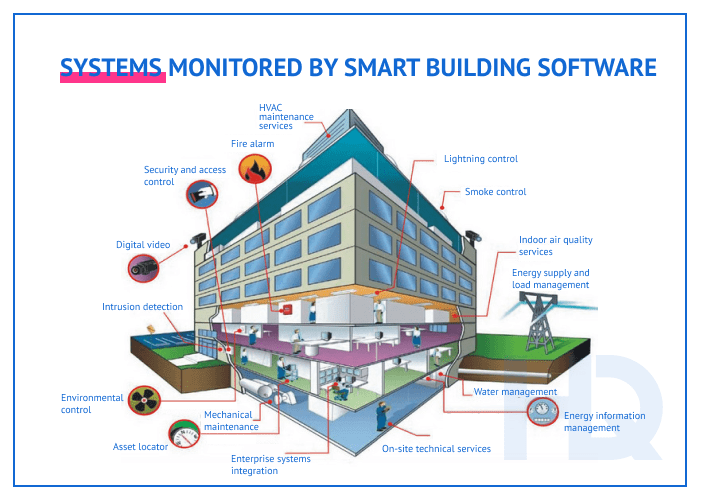
- Building Automation: Optimizing HVAC, lighting, and other building systems based on occupancy, weather, and time-of-day tariffs.
- Industrial Process Optimization: Monitoring energy usage of machinery to identify inefficiencies and schedule maintenance to minimize energy waste.
- Peak Demand Management: Automatically shedding non-critical loads during peak pricing periods to reduce demand charges.
These applications drive significant energy efficiency improvements and operational cost reductions.
Renewable Energy Monitoring and Management
For solar farms, wind turbines, and other renewable energy assets, IoT platforms provide real-time performance monitoring, fault detection, and predictive maintenance. They help optimize energy harvesting by adjusting parameters based on environmental conditions and ensure maximum uptime. Furthermore, they facilitate the aggregation of distributed renewable energy sources into virtual power plants.
Electric Vehicle (EV) Charging Infrastructure
As EV adoption surges, smart charging solutions powered by IoT platforms are becoming vital. These platforms enable intelligent load balancing across charging stations, optimize charging schedules to leverage off-peak electricity prices, and even facilitate vehicle-to-grid (V2G) capabilities, where EVs can feed power back into the grid. This ensures that the growing EV fleet integrates seamlessly without overwhelming existing infrastructure.
Home Energy Management Systems (HEMS)
At the consumer level, IoT platforms power smart home energy management. This includes smart thermostats, intelligent lighting systems, and appliance monitoring that allow homeowners to track their energy usage, receive personalized recommendations, and automate energy-saving actions. These systems empower individuals to contribute to broader sustainability goals.
Overcoming Challenges in IoT Platform Deployment for Smart Energy
While the benefits are compelling, deploying IoT platforms for smart energy is not without its challenges. Organizations must prepare for:
- Data Volume and Velocity: Handling the sheer volume and speed of data generated by millions of sensors requires robust infrastructure and scalable processing capabilities, often leveraging edge computing.
- Interoperability and Standardization: Integrating diverse devices and systems from multiple vendors, each potentially using different communication protocols, can be complex. Adopting open standards and flexible APIs is crucial.
- Legacy Infrastructure Integration: Many energy systems rely on decades-old operational technology (OT). Seamlessly connecting these legacy systems with modern IoT platforms requires specialized expertise and integration strategies.
- Cybersecurity Risks: Connecting operational technology to the internet introduces new attack vectors. Implementing comprehensive, multi-layered cybersecurity measures is non-negotiable.
- Skills Gap: A shortage of professionals with expertise in both IoT and energy systems can hinder deployment and optimization efforts. Investing in training or partnering with specialized solution providers is often necessary.
Addressing these challenges proactively is key to a successful IoT smart energy transformation. Consider consulting with expert IoT solution providers to navigate these complexities.
Actionable Steps for Implementing an IoT Smart Energy Solution
For organizations ready to embark on their smart energy journey with IoT platforms, here are actionable steps:
- Define Clear Objectives: Start by identifying specific energy challenges or opportunities you want to address (e.g., reduce peak demand by 15%, integrate 20% more renewables, improve grid reliability).
- Conduct a Comprehensive Assessment: Evaluate your existing energy infrastructure, data sources, and IT/OT systems. Identify integration points and potential bottlenecks.
- Pilot a Small-Scale Project: Begin with a manageable pilot project to test the chosen IoT platform's capabilities, validate assumptions, and gather initial insights. This minimizes risk and provides valuable learning.
- Develop a Data Strategy: Plan how data will be collected, stored, processed, analyzed, and secured. Consider data governance, quality, and privacy requirements.
- Prioritize Security from Day One: Integrate cybersecurity measures into every stage of planning and deployment. This includes device security, network security, and application security.
- Foster Collaboration: Break down silos between IT, OT, energy management, and business units. Successful smart energy initiatives require cross-functional teamwork.
- Plan for Scalability: Design your solution with future growth in mind. The chosen IoT platform should be able to scale horizontally and vertically as your needs evolve.
- Continuously Monitor and Optimize: Deploying the solution is just the beginning. Regularly monitor performance, analyze data, and use insights to continuously optimize energy consumption and operations.
Frequently Asked Questions
What is the primary role of an IoT platform in smart energy?
The primary role of an IoT platform for smart energy is to act as the central nervous system that connects, manages, and processes data from diverse energy assets. It enables real-time monitoring, advanced analytics, and automated control, leading to enhanced energy efficiency, cost reduction, improved grid reliability, and accelerated integration of renewable energy sources. Essentially, it transforms raw sensor data into actionable insights for intelligent energy management.
How do IoT platforms contribute to renewable energy integration?
IoT platforms significantly contribute to renewable energy integration by providing the intelligence needed to manage intermittent sources like solar and wind. They offer real-time monitoring of generation, predictive forecasting based on weather data, and the ability to optimize energy storage solutions. By facilitating the aggregation of distributed renewable assets into virtual power plants and enabling demand response, these platforms help stabilize the grid and ensure that renewable energy can be seamlessly and reliably incorporated into the overall energy mix.
What are the key security considerations for IoT platforms in the energy sector?
Security is paramount for IoT platforms in the energy sector due to the critical nature of infrastructure. Key considerations include end-to-end data encryption, secure device authentication and access control, robust network segmentation, continuous vulnerability management, and compliance with industry-specific regulations (e.g., NERC CIP). Organizations must prioritize a multi-layered security approach to protect against cyber threats and ensure the integrity and reliability of energy systems.
Can IoT platforms help with demand response programs?
Absolutely. IoT platforms are instrumental in enabling and optimizing demand response programs. By providing real-time visibility into energy consumption patterns and the ability to remotely control connected devices (like smart thermostats, HVAC systems, or industrial loads), these platforms allow utilities and energy managers to automatically or manually reduce energy demand during peak periods. This helps stabilize the grid, avoid costly infrastructure upgrades, and reduce electricity prices for consumers.

0 Komentar