
Revolutionizing Energy: IoT Applications in Smart Grid Energy Distribution
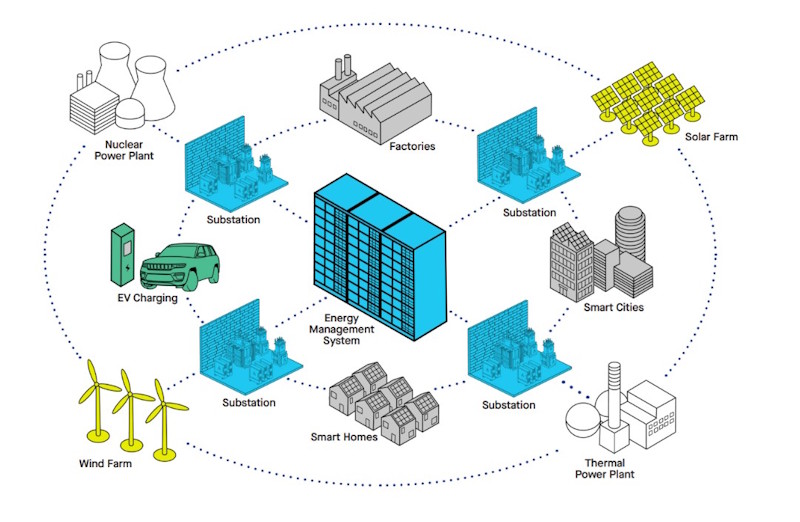
The convergence of the Internet of Things (IoT) and smart grid technologies is fundamentally transforming how energy is generated, distributed, and consumed. This comprehensive guide delves into the powerful IoT applications in smart grid energy distribution, exploring how connected devices, sensors, and advanced analytics are paving the way for a more efficient, reliable, and sustainable energy future. Discover how utilities are leveraging IoT to optimize operations, enhance grid resilience, and empower consumers, driving unprecedented levels of energy management and efficiency across the entire power ecosystem.
The Foundation: Understanding IoT and Smart Grids
Before diving into specific applications, it's crucial to grasp the symbiotic relationship between IoT and the smart grid. A smart grid represents an modernized electrical network that uses digital technology to monitor, control, and manage the transmission and distribution of electricity. Unlike traditional grids, which are largely unidirectional and reactive, smart grids are bidirectional, enabling two-way communication between utilities and consumers, and integrating various energy sources. This evolution is critical for managing fluctuating demands and the increasing influx of renewable energy integration.
The Internet of Things, on the other hand, refers to a vast network of physical objects embedded with sensors, software, and other technologies for the purpose of connecting and exchanging data with other devices and systems over the internet. In the context of energy, IoT brings intelligence to every point of the grid – from power generation and transmission lines to substations, transformers, and individual homes. This pervasive connectivity generates an enormous volume of data, which, when analyzed, provides actionable insights for grid optimization and operational improvements.
Key Pillars of IoT in Smart Grids
- Connectivity: Enabling seamless communication between diverse grid components.
- Sensors & Actuators: Collecting real-time data and allowing remote control of equipment.
- Data Analytics: Processing vast amounts of data to identify patterns, predict failures, and optimize performance.
- Cloud Computing: Providing scalable infrastructure for data storage and processing.
- Cybersecurity: Protecting the interconnected network from threats, a paramount concern for critical infrastructure.
Key IoT Applications Revolutionizing Energy Distribution
The practical implementation of IoT in energy distribution networks is vast and varied, addressing some of the most pressing challenges faced by utility companies today. These applications not only enhance operational efficiency but also contribute significantly to grid modernization and sustainability goals.
Real-Time Monitoring and Control
One of the most immediate and impactful IoT applications in smart grid energy distribution is the ability to monitor the grid in real-time. Sensors deployed on transmission lines, transformers, substations, and even individual circuits provide continuous updates on voltage, current, temperature, and other critical parameters. This real-time visibility allows operators to detect anomalies, identify potential issues before they escalate, and react swiftly to changes in load or supply. For instance, utilities can use IoT sensors to pinpoint the exact location of a fault, significantly reducing outage times. This capability is central to effective utility operations and ensuring consistent power delivery.
Predictive Maintenance and Asset Management
Traditional maintenance often relies on scheduled inspections or reactive repairs after a failure occurs. IoT transforms this by enabling predictive maintenance. Sensors embedded in critical assets like transformers, circuit breakers, and power lines collect data on their performance and health. Advanced analytics, often leveraging machine learning, can then predict when a component is likely to fail, allowing utilities to perform maintenance proactively. This prevents costly outages, extends asset lifespan, and optimizes resource allocation. Imagine a transformer subtly signaling a developing fault, allowing for repair before a widespread blackout – that's the power of IoT-driven asset management.
Demand Response and Load Balancing
IoT plays a pivotal role in managing energy demand, especially during peak hours. Through smart meters and connected devices in homes and businesses, utilities can implement sophisticated demand response programs. These programs incentivize consumers to reduce energy consumption during periods of high demand or high prices. IoT-enabled smart thermostats, smart appliances, and energy management systems can automatically adjust usage based on grid signals, helping to balance the load and prevent grid overload. This not only improves grid stability but also contributes to overall energy efficiency and reduces the need for expensive peaker plants.
Renewable Energy Integration and Optimization
The increasing adoption of intermittent renewable energy sources like solar and wind presents significant challenges for grid stability. IoT helps overcome these challenges by providing granular data on renewable generation and consumption patterns. Sensors at solar farms and wind turbines monitor output in real-time, while smart inverters and battery storage systems (also IoT-enabled) help manage fluctuations. This allows grid operators to better predict renewable output, balance it with conventional generation, and optimize dispatch, facilitating a smoother and more reliable renewable energy integration into the main grid. This is crucial for a sustainable energy future.
Enhanced Cybersecurity and Reliability
As the smart grid becomes more interconnected, the attack surface for cyber threats expands. IoT devices, while enabling incredible functionality, also introduce potential vulnerabilities. However, IoT can also be part of the solution. By deploying specialized cybersecurity sensors and using advanced analytics, utilities can monitor network traffic for suspicious activities, detect intrusions, and isolate compromised devices. Implementing robust authentication protocols and encryption for IoT communications is vital. Furthermore, the granular data from IoT sensors enhances overall grid reliability by providing insights into potential vulnerabilities and enabling rapid response to physical or digital disruptions.
Smart Metering and Billing
Smart meters are perhaps the most visible IoT application for many consumers. These devices automatically record energy consumption and transmit data to the utility, eliminating the need for manual meter readings. Beyond basic billing, smart meters enable time-of-use tariffs, allowing consumers to save money by shifting energy-intensive activities to off-peak hours. They also provide consumers with real-time access to their energy usage data, empowering them to make informed decisions about their consumption and fostering greater energy management awareness. This two-way communication channel is a cornerstone of the modern smart grid.
Benefits of Integrating IoT in Smart Grids
The widespread adoption of IoT in energy distribution offers a multitude of benefits for utilities, consumers, and the environment:
- Improved Efficiency: Reduced energy waste through better load balancing, demand response, and optimized asset performance.
- Enhanced Reliability: Faster fault detection, quicker restoration times, and proactive maintenance minimize outages.
- Cost Savings: Lower operational costs due to automated processes, reduced manual labor, and extended asset life.
- Increased Grid Resiliency: Ability to adapt to unforeseen events, integrate distributed energy resources, and manage fluctuating supply/demand.
- Environmental Benefits: Facilitates greater integration of renewables and promotes energy conservation, reducing carbon footprint.
- Better Customer Engagement: Provides consumers with more control and information over their energy consumption.
Challenges and Considerations for IoT Deployment
While the benefits are compelling, deploying IoT applications in smart grid energy distribution is not without its challenges. Addressing these proactively is crucial for successful implementation:
- Data Volume and Management: IoT devices generate enormous amounts of data. Managing, storing, processing, and analyzing this data effectively requires robust infrastructure and sophisticated analytical tools. Utilities need to invest in scalable cloud solutions and powerful AI/ML capabilities.
- Interoperability: Ensuring that diverse IoT devices, platforms, and legacy systems can communicate seamlessly is a significant hurdle. Standardized protocols and open architectures are essential for true interoperability.
- Cybersecurity Risks: The interconnected nature of IoT devices increases the attack surface. Protecting critical infrastructure from cyber threats requires multi-layered security strategies, continuous monitoring, and proactive threat intelligence. This is arguably the most critical challenge.
- Scalability: Deploying IoT across an entire grid involves millions of devices. The network infrastructure must be scalable enough to handle this massive expansion without compromising performance.
- Regulatory and Policy Frameworks: Evolving regulations around data privacy, cybersecurity, and energy markets need to keep pace with technological advancements to foster innovation while ensuring consumer protection.
- Skill Gap: Utilities need professionals with expertise in IoT, data science, cybersecurity, and advanced networking to manage and leverage these new technologies effectively. Investment in training and talent acquisition is vital.
Implementing IoT for Grid Optimization: Best Practices
For utilities looking to harness the full potential of IoT in smart grid energy distribution, adopting a strategic approach is key. Here are some actionable tips and best practices:
- Start Small, Scale Smart: Begin with pilot projects in specific areas or for particular applications (e.g., smart streetlights, transformer monitoring) to test feasibility, gather data, and refine processes before widespread deployment.
- Prioritize Cybersecurity from Day One: Integrate security measures at every layer of the IoT architecture – from device hardware to network protocols and cloud platforms. Conduct regular security audits and penetration testing. Consider implementing robust cybersecurity protocols.
- Invest in Data Analytics Capabilities: Raw IoT data is valuable only when processed into actionable insights. Develop in-house data science teams or partner with specialized firms to build predictive models, optimize algorithms, and visualize complex data.
- Ensure Interoperability and Open Standards: When selecting IoT devices and platforms, prioritize those that adhere to open standards and allow for seamless integration with existing and future systems. Avoid vendor lock-in.
- Foster Collaboration: Work closely with technology providers, academic institutions, and other utilities to share knowledge, best practices, and innovative solutions.
- Focus on User Experience (Internal & External): Design IoT solutions that are intuitive for utility operators and provide clear benefits and insights for consumers.
- Develop a Robust Communication Infrastructure: Reliable and secure communication networks (e.g., cellular, LoRaWAN, NB-IoT, private LTE) are the backbone of any IoT deployment.
The Future Landscape: IoT and Next-Gen Energy Grids
The evolution of IoT applications in smart grid energy distribution is an ongoing process. Looking ahead, we can anticipate even more sophisticated integrations. The rise of edge computing will allow for faster, localized data processing, reducing latency and improving real-time decision-making at the grid's periphery. Artificial intelligence and machine learning will become even more integral, enabling highly accurate load forecasting, proactive fault detection, and optimized energy trading. Furthermore, the proliferation of distributed energy resources (DERs), such as rooftop solar, electric vehicles, and battery storage, will necessitate an even more intelligent and flexible grid, with IoT acting as the central nervous system. The grid of the future will be self-healing, highly resilient, and capable of seamlessly integrating diverse energy sources, all powered by pervasive IoT intelligence. To explore advanced solutions for your energy distribution network, contact our experts today.
Frequently Asked Questions
What is the primary role of IoT in smart grids?
The primary role of IoT in smart grids is to enable real-time monitoring, control, and data exchange across the entire energy distribution network. By deploying intelligent sensors and connected devices, IoT provides utilities with unprecedented visibility into grid conditions, asset performance, and energy consumption patterns. This allows for more efficient operation, rapid fault detection, proactive maintenance, and better integration of diverse energy sources, ultimately enhancing grid reliability and promoting energy efficiency.
How does IoT improve energy efficiency in distribution?
IoT improves energy efficiency in distribution through several mechanisms. It enables precise load balancing by providing real-time data on energy demand and supply, preventing overloads and underutilization. Through smart meters and demand response programs, IoT empowers consumers to manage their consumption more effectively, reducing peak demand. Furthermore, predictive maintenance minimizes energy losses from faulty equipment and ensures assets operate at optimal efficiency, significantly reducing overall energy waste across the network.
What are the main security concerns for IoT in smart grids?
The main security concerns for IoT in smart grids revolve around the increased attack surface created by interconnected devices. Key challenges include protecting against unauthorized access to critical infrastructure, data breaches of sensitive consumer information, and potential disruption of energy supply through cyberattacks. Ensuring robust cybersecurity requires end-to-end encryption, strong authentication protocols, regular vulnerability assessments, and continuous monitoring to detect and respond to threats in real-time, safeguarding the integrity and reliability of the smart energy networks.
Can IoT help integrate more renewable energy sources into the grid?
Yes, IoT is instrumental in integrating more renewable energy sources into the grid. Renewable sources like solar and wind are intermittent, making grid balancing challenging. IoT sensors provide real-time data on renewable generation output and grid conditions, allowing operators to accurately forecast availability and manage fluctuations. Smart inverters and energy storage systems, enabled by IoT, help stabilize the grid by storing excess energy and releasing it when needed, facilitating seamless and reliable renewable energy integration and optimizing their contribution to the energy mix.

0 Komentar