
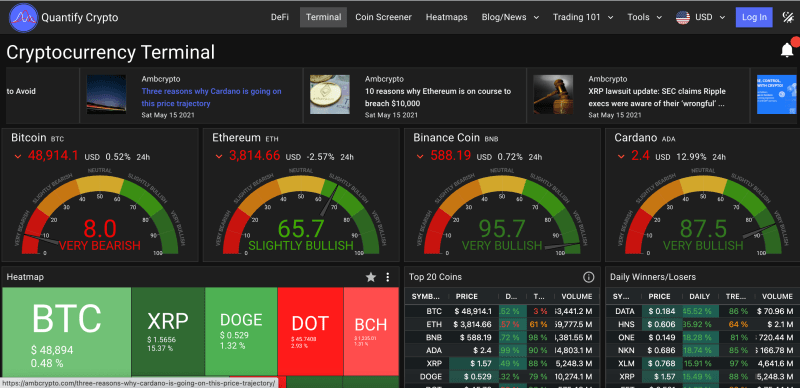
Unlocking Crypto Insights: The Best Cryptocurrency Analysis Tools and Software for Savvy Investors
Navigating the volatile world of digital assets demands precision, foresight, and access to the right intelligence. For any serious investor or trader, understanding the intricacies of the market is paramount. This comprehensive guide delves into the best cryptocurrency analysis tools and software, equipping you with the knowledge to make informed decisions. From dissecting price movements to evaluating project fundamentals, these indispensable platforms provide the analytical edge needed to thrive in the crypto space. We will explore how these powerful resources empower users to conduct thorough market research, identify trends, and manage their digital portfolios effectively, transforming raw data into actionable insights.
Why Cryptocurrency Analysis Tools Are Indispensable for Modern Traders
The cryptocurrency market, characterized by its rapid fluctuations and constant evolution, is a realm where information asymmetry can lead to significant gains or losses. Relying solely on intuition or anecdotal evidence is a recipe for disaster. This is where dedicated crypto analysis tools become not just useful, but absolutely essential. They provide a structured approach to understanding market dynamics, enabling users to move beyond speculation towards data-driven strategies.
Navigating Market Volatility with Precision
The inherent volatility of cryptocurrencies like Bitcoin, Ethereum, and thousands of altcoins means prices can swing dramatically within minutes. Without robust real-time data and advanced charting capabilities, it's virtually impossible to react effectively to these shifts. The right software provides immediate access to price feeds, trading volumes, and order book depth, allowing traders to execute timely decisions. This real-time visibility is critical for short-term traders engaging in day trading or scalping, where every second counts.
Informed Decision-Making Through Comprehensive Data
Beyond price action, a multitude of factors influence cryptocurrency values, including project developments, regulatory news, global economic trends, and social sentiment. The best cryptocurrency analysis software aggregates this disparate information into a cohesive view. It empowers users to perform deep dives into both technical analysis indicators and fundamental analysis data, giving them a holistic understanding of an asset's potential. This comprehensive data empowers investors to identify promising projects, assess risk, and formulate long-term investment strategies.
Key Categories of Crypto Analysis Tools
The landscape of crypto analysis tools is diverse, catering to different analytical needs and investment styles. Understanding these categories is the first step in selecting the right suite of tools for your personal or professional use.
Technical Analysis Platforms
These are the backbone for traders who focus on price action and historical data to predict future movements. They offer extensive charting features, a wide array of trading indicators (like Moving Averages, RSI, MACD, Bollinger Bands), and drawing tools. Platforms like TradingView, Coinigy, and often integrated into exchange interfaces, allow users to apply complex overlays and strategies to identify patterns, support and resistance levels, and potential trend reversals. They are crucial for short-term and swing traders.
Fundamental Analysis Dashboards
For investors interested in the intrinsic value of a cryptocurrency project, fundamental analysis is key. Tools in this category provide detailed information on a project's whitepaper, team, technology, use case, tokenomics, community engagement, and development roadmap. Resources like CoinMarketCap, CoinGecko, and specific project websites (though often biased) offer insights into market capitalization, circulating supply, trading volume, and historical price performance. Advanced dashboards might also integrate news feeds and developer activity metrics from GitHub, helping users assess the long-term viability and potential of an asset.
On-Chain Data Explorers
Unique to the blockchain space, on-chain analysis involves scrutinizing data directly from the blockchain itself. This includes transaction volumes, active addresses, mining difficulty, network hash rate, and whale movements. Tools like Glassnode, CryptoQuant, and Nansen provide invaluable insights into the true health and activity of a network, offering a layer of transparency not available in traditional markets. Understanding on-chain analytics can reveal underlying demand, accumulation phases, or distribution patterns that might not be immediately evident from price charts alone. This is particularly powerful for understanding the long-term health and adoption of a cryptocurrency.
Portfolio Trackers and Management Tools
Managing a diversified portfolio across multiple exchanges and wallets can be challenging. Portfolio tracking software simplifies this by aggregating all your holdings into one dashboard. Tools like CoinStats, Blockfolio (now FTX), and Koinly allow you to monitor your net worth, track profit/loss, analyze asset allocation, and even manage transactions. Some advanced trackers also integrate tax reporting features, making compliance significantly easier. This is essential for maintaining an organized overview of your investments and assessing overall performance.
News Aggregators and Sentiment Analysis
The crypto market is heavily influenced by news, regulatory announcements, and social media buzz. News aggregators (e.g., CoinDesk, The Block) keep you updated with the latest developments. Sentiment analysis tools, often leveraging AI and natural language processing, monitor social media platforms (Twitter, Reddit) and news articles to gauge public perception towards specific assets. Tools like LunarCrush provide market sentiment analysis, which can be a leading indicator for price movements, as positive or negative sentiment often precedes significant shifts.
Top Features to Look for in Crypto Analysis Software
When evaluating the myriad of options available, certain features stand out as critical for a robust and effective analysis experience.
Comprehensive Charting Capabilities
At the core of any good analysis tool is its charting functionality. Look for platforms that offer various chart types (candlestick, bar, line), multiple timeframes (from minutes to months), and the ability to customize chart appearance. The best tools will also allow you to compare multiple assets on the same chart, providing a comparative analysis perspective.
Real-Time Data Feeds and Exchange Integration
Accuracy and speed of data are paramount. Ensure the software provides real-time crypto data directly from major exchanges with minimal latency. Integration with your preferred exchanges for direct trading from the platform can also be a significant convenience, though always consider the security implications.
Advanced Indicators and Overlays
A rich library of technical analysis indicators is non-negotiable. Beyond the basics, look for advanced indicators, custom script capabilities (like Pine Script in TradingView), and the ability to create your own indicators or strategies. This flexibility allows for deeper, more personalized analysis.
Alert Systems and Notifications
You can't monitor the market 24/7. Effective alert systems that notify you via email, SMS, or app notifications when specific price targets are hit, indicators cross, or significant news breaks are invaluable. This ensures you never miss a critical market event or trading opportunity.
Backtesting and Simulation Tools
For strategy development, the ability to backtest your trading strategies against historical data is crucial. This allows you to see how a particular strategy would have performed in the past, helping you refine and validate your approach before risking real capital. Simulation or paper trading features also offer a risk-free environment to practice.
Customizable Dashboards and User Interface
A cluttered or unintuitive interface can hinder your analysis. Look for tools that offer customizable dashboards, allowing you to arrange widgets, charts, and data feeds according to your preferences. A clean, responsive, and user-friendly interface significantly enhances the analytical workflow.
Security and Privacy
Given the sensitive nature of financial data, prioritize tools that emphasize robust security measures, including two-factor authentication (2FA), data encryption, and transparent privacy policies. Especially for portfolio tracking software that connects to your exchange accounts, security audits and a strong reputation are non-negotiable.
Practical Advice: Choosing the Right Analysis Tool for You
With so many options, selecting the ideal cryptocurrency analysis software can feel overwhelming. Here's how to approach the decision strategically:
1. Define Your Investment Strategy
Are you a day trader, swing trader, or long-term investor? Your strategy dictates the type of tools you need. Short-term traders will prioritize real-time charting and technical indicators, while long-term investors might focus more on fundamental and on-chain data. For those interested in automated trading, consider platforms that support algorithmic trading strategies or integrate with bot services.
2. Consider Your Skill Level and Experience
Beginners might find complex platforms daunting. Start with user-friendly interfaces and gradually explore more advanced features as your understanding grows. Many platforms offer free tiers or trials, which are excellent for testing the waters without commitment.
3. Prioritize Data Accuracy and Reliability
Garbage in, garbage out. The quality of your analysis depends entirely on the accuracy and reliability of the data. Choose tools that source data from reputable exchanges and have a proven track record of accurate feeds. Cross-reference data points if necessary, especially for critical decisions.
4. Evaluate User Interface and Experience
Even the most powerful tool is useless if you can't navigate it efficiently. Spend time exploring the interface. Is it intuitive? Does it offer the customizations you need? A smooth user experience will significantly improve your analytical workflow and reduce frustration.
5. Community and Support
A vibrant user community or responsive customer support can be invaluable, especially when you encounter issues or have questions about specific features. Forums, tutorials, and documentation can help you maximize the utility of the chosen tool.
Actionable Tips for Maximizing Your Analysis
Having the best tools is only half the battle; knowing how to use them effectively is the key to success.
1. Combine Multiple Analysis Methods
Never rely on a single form of analysis. While technical analysis might indicate an entry point, fundamental analysis confirms the underlying strength of the asset, and on-chain data provides insights into network health. A holistic approach, combining technical analysis, fundamental analysis, and on-chain analytics, provides the most robust perspective.
2. Stay Updated with Market News and Events
Integrate news aggregators and set up alerts for major announcements. Regulatory changes, partnerships, hacks, or significant upgrades can dramatically impact crypto prices. Being informed allows you to anticipate market reactions and adjust your strategies accordingly.
3. Practice Risk Management Diligently
No tool can eliminate risk entirely. Use the insights gained from your analysis to implement sound risk management tools and strategies. This includes setting stop-loss orders, diversifying your portfolio, and only investing what you can afford to lose. Analysis helps you identify opportunities, but proper risk management protects your capital.
4. Utilize Backtesting for Strategy Validation
Before deploying a new trading strategy with real funds, always backtest it. Most advanced cryptocurrency analysis software offers this feature. Backtesting allows you to simulate your strategy against historical data, providing an objective assessment of its potential profitability and drawdown. This iterative process of testing and refining is crucial for developing robust trading systems.
Frequently Asked Questions
What is the difference between technical and fundamental analysis in crypto?
Technical analysis focuses on historical price action and trading volume, using charts and trading indicators to predict future price movements. It assumes that all relevant information is already reflected in the price. Fundamental analysis, conversely, examines the intrinsic value of a cryptocurrency project by evaluating factors like its technology, team, use case, tokenomics, community, and market adoption. It seeks to understand the long-term viability and potential of the asset, often incorporating market research and broader economic trends.
How can on-chain analytics improve my crypto trading?
On-chain analytics provides a unique layer of transparency by directly examining data recorded on the blockchain. By monitoring metrics like transaction volumes, active addresses, large wallet movements (whales), and exchange inflows/outflows, traders can gain insights into genuine network activity, accumulation/distribution phases, and potential supply shocks. This can offer a leading indicator that complements traditional technical analysis indicators and helps confirm market trends or anticipate major shifts, such as large institutional movements or changes in network usage.
Are free cryptocurrency analysis tools reliable?
Many free cryptocurrency analysis tools offer significant value, especially for beginners or those with limited budgets. Platforms like CoinMarketCap, CoinGecko, and the free tiers of TradingView provide reliable real-time crypto data, basic charting, and essential market research information. However, premium tools often offer more advanced features, deeper data sets (e.g., more historical data, advanced on-chain analytics), fewer ads, and dedicated support. While free tools are a great starting point, serious traders or investors might eventually find the need for the enhanced capabilities of paid subscriptions.
What should I consider for portfolio tracking software?
When choosing portfolio tracking software, consider its ability to integrate with all your exchanges and wallets (both centralized and decentralized), its real-time update frequency, and its accuracy in calculating profit/loss and total portfolio value. Look for features like customizable dashboards, performance analytics over different timeframes, and ideally, tax reporting capabilities. Strong security and privacy measures are paramount, as these tools often require API access or public wallet addresses to track your holdings. Ensure the software supports all the cryptocurrencies and tokens you hold, including any Decentralized Finance (DeFi) assets.
Can these tools help with price prediction?
While cryptocurrency analysis tools and software provide powerful insights and data for market research, they do not offer guaranteed price prediction. They equip users with the means to conduct thorough technical analysis indicators, fundamental analysis data, and on-chain analytics to identify probabilities, trends, and potential outcomes. The future remains inherently uncertain due to market volatility, external events, and unforeseen developments. These tools are best utilized for informed decision-making and risk management, not for crystal ball gazing. Combine their insights with your own judgment and a robust risk management strategy.

0 Komentar