
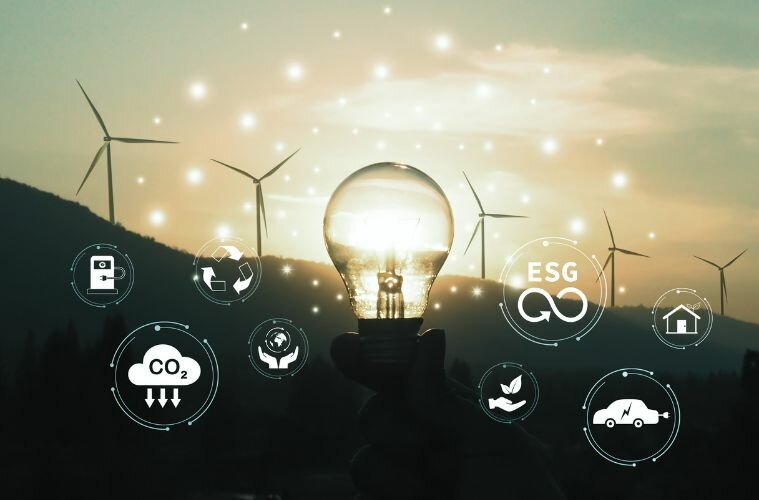
Energy Technology Breakthroughs in 2025: Charting the Path to a Sustainable Future
The global energy landscape is on the cusp of a monumental transformation, with energy technology breakthroughs in 2025 poised to redefine how we power our world. As a professional SEO expert and content writer, I understand the critical importance of anticipating these shifts and providing actionable insights. This comprehensive guide delves into the cutting-edge innovations expected to emerge or significantly mature by 2025, offering a deep dive into the sustainable solutions that will accelerate our transition away from fossil fuels. From revolutionary battery storage to advanced green hydrogen production and smarter grid systems, the next few years promise unprecedented advancements in clean energy innovations, shaping a more resilient and environmentally conscious future for all.
The Dawn of a New Energy Era: Why 2025 is Pivotal
The urgency of climate change mitigation, coupled with escalating energy demands and geopolitical shifts, has dramatically accelerated investment and research in renewable energy and advanced power solutions. 2025 is not just another year on the calendar; it represents a crucial milestone where years of dedicated research and development are expected to yield tangible, scalable results. We are moving beyond theoretical concepts into practical applications that can be deployed globally, offering robust alternatives to traditional energy sources. This period marks a significant leap in our collective effort to achieve net-zero emissions and build a truly sustainable infrastructure. The focus is increasingly on decentralizing energy production and enhancing efficiency across the entire energy value chain.
Driving Forces Behind Innovation
- Climate Urgency: The undeniable impact of climate change compels a rapid transition to low-carbon energy sources. Governments, corporations, and individuals are increasingly committed to reducing greenhouse gas emissions, driving demand for innovative solutions.
- Energy Security: Geopolitical instability highlights the need for diverse, domestically produced energy sources, fostering greater investment in indigenous renewable capacity and advanced energy technologies.
- Economic Opportunities: The green energy sector is a burgeoning market, creating millions of jobs and opening new avenues for economic growth. Early adoption and leadership in these technologies can confer significant competitive advantages.
- Technological Advancements: Exponential growth in AI, IoT, material science, and biotechnology is synergistically contributing to breakthroughs in energy efficiency, storage, and generation.
- Consumer Demand: A growing global awareness of environmental issues is leading to increased consumer demand for sustainable products and services, including cleaner energy options for homes and transportation.
Key Energy Technology Breakthroughs Anticipated by 2025
The next few years are set to witness a surge in commercially viable energy technology breakthroughs. Here, we explore the most promising areas poised for significant impact.
Next-Generation Battery Storage Solutions
Energy storage is the lynchpin of a truly renewable energy system, addressing the intermittency of solar and wind power. By 2025, we anticipate significant strides in battery technology that will transform grid stability and electric vehicle performance. Battery storage advancements are crucial for balancing supply and demand, ensuring reliable power delivery even when the sun isn't shining or the wind isn't blowing.
- Solid-State Batteries: Expected to move closer to mass production for electric vehicles (EVs), offering higher energy density, faster charging times, and enhanced safety compared to traditional lithium-ion batteries. This will significantly boost EV range and adoption.
- Flow Batteries: These large-scale, long-duration storage systems are ideal for grid applications. By 2025, we'll see more cost-effective and scalable designs, enabling utilities to store vast amounts of renewable energy for days or even weeks.
- Advanced Lithium-Ion Chemistries: Ongoing research will continue to improve existing lithium-ion technology, focusing on nickel-rich cathodes, silicon anodes, and electrolyte improvements to increase energy density and lifespan while reducing costs.
- Sodium-Ion Batteries: As a cheaper and more abundant alternative to lithium, sodium-ion batteries are gaining traction for stationary storage applications and potentially lower-end EVs, with commercial deployment expanding significantly by 2025.
Revolutionary Solar Energy Advancements
Solar power continues its exponential growth, and 2025 will see new materials and designs push its efficiency and applicability to unprecedented levels. These solar advancements are making solar energy more accessible and effective in diverse environments.
- Perovskite Solar Cells: These highly efficient, low-cost materials are poised for broader commercialization. Their flexibility and transparency open doors for integration into windows, building facades, and even wearable electronics, expanding the surface area available for energy harvesting.
- Transparent Solar Technology: Imagine windows that generate electricity without obstructing views. This technology is rapidly maturing, allowing buildings to become active power generators.
- Bifacial Solar Panels: Already gaining traction, these panels capture sunlight from both sides, significantly increasing energy yield. Their deployment will become standard in large-scale solar farms, maximizing land use efficiency.
- AI-Driven Solar Forecasting and Optimization: Artificial intelligence will play a greater role in predicting solar output, optimizing panel angles, and managing solar farms for maximum efficiency and grid integration.
Wind Power: Smarter, Stronger, More Efficient
Wind energy, particularly offshore wind, is scaling up rapidly. By 2025, innovations will focus on larger turbines, more resilient materials, and intelligent operation. Wind power efficiency is being boosted by advanced engineering and digital integration.
- Larger, More Powerful Turbines: The trend towards colossal turbines (15MW+ offshore) will continue, capturing more energy per turbine and reducing the overall footprint of wind farms.
- Floating Offshore Wind Platforms: These allow turbines to be deployed in deeper waters, unlocking vast wind resources previously inaccessible. Commercial projects will expand significantly.
- Advanced Blade Materials and Designs: Research into lighter, stronger, and more aerodynamic materials will enhance energy capture and reduce maintenance costs.
- AI-Powered Predictive Maintenance: Machine learning algorithms will monitor turbine performance, predict potential failures, and optimize maintenance schedules, increasing uptime and operational efficiency.
Green Hydrogen: The Fuel of Tomorrow
Green hydrogen, produced by electrolyzing water using renewable electricity, is emerging as a critical component for decarbonizing hard-to-abate sectors like heavy industry, long-haul transport, and aviation. By 2025, expect significant progress in its production and infrastructure. This green hydrogen breakthrough is essential for a fully decarbonized economy.
- Cost Reduction in Electrolysis: Advances in electrolyzer technology and increasing availability of cheap renewable electricity will drive down the cost of green hydrogen production, making it competitive with fossil fuels.
- Scalable Production Facilities: Numerous large-scale green hydrogen projects are under development, with some expected to come online by 2025, demonstrating industrial-scale production capabilities.
- Hydrogen Infrastructure Development: While still nascent, efforts to build pipelines, storage facilities, and refueling stations will accelerate, particularly in industrial clusters and transport hubs.
- Fuel Cell Advancements: Improvements in fuel cell efficiency and durability will make hydrogen a more viable option for various applications, from heavy-duty vehicles to stationary power generation.
Advanced Nuclear Technologies: Small Modular Reactors (SMRs)
Nuclear power is experiencing a resurgence as a reliable, carbon-free baseload energy source. SMRs, in particular, represent a significant shift in nuclear design, promising enhanced safety and scalability. These advanced nuclear solutions offer a compact and flexible power option.
- Modular Construction: SMRs are factory-built and transportable, significantly reducing construction time and costs compared to traditional large-scale nuclear plants.
- Enhanced Safety Features: Many SMR designs incorporate passive safety systems that rely on natural forces (like gravity or convection) to shut down and cool the reactor without human intervention or external power, making them inherently safer.
- Flexibility and Scalability: Their smaller size allows for deployment in diverse locations, including remote communities or industrial sites, and they can be scaled up by adding more modules as demand grows.
- Waste Reduction: Newer designs aim for more efficient fuel utilization and potentially reduce the volume and radioactivity of nuclear waste.
Geothermal Energy: Unlocking Earth's Heat
Often overlooked, geothermal energy provides continuous, baseload power from the Earth's internal heat. By 2025, enhanced geothermal systems (EGS) are expected to broaden its applicability beyond traditional volcanic regions. Geothermal energy innovation is expanding access to this reliable resource.
- Enhanced Geothermal Systems (EGS): These systems use advanced drilling and reservoir engineering techniques to create or improve geothermal reservoirs in areas previously considered uneconomical, significantly expanding the global potential for geothermal power.
- Closed-Loop Geothermal: Emerging technologies that circulate a working fluid in a closed loop underground, extracting heat without fracturing rock or producing emissions, offering a more environmentally friendly approach.
- Co-production with Oil & Gas: Leveraging existing infrastructure and drilling expertise from the oil and gas industry to extract geothermal heat from depleted wells, offering a pathway for energy transition in those sectors.
Smart Grid Evolution and Decentralized Energy Systems
The traditional centralized grid is transforming into a complex, intelligent network capable of managing diverse energy sources and fluctuating demand. Grid modernization is paramount for integrating the influx of renewables.
- AI and IoT Integration: Artificial intelligence and the Internet of Things will underpin smart grids, enabling real-time monitoring, predictive analytics for demand and supply, and automated fault detection and recovery.
- Blockchain for Energy Trading: Decentralized ledger technology (blockchain) will facilitate peer-to-peer energy trading within local communities, empowering prosumers (producers + consumers) and creating more efficient energy markets.
- Microgrids and Nanogrids: These localized energy systems, often powered by renewables and battery storage, provide enhanced resilience against grid outages and offer energy independence for communities and critical infrastructure.
- Virtual Power Plants (VPPs): Aggregating distributed energy resources (like rooftop solar, EVs, and smart appliances) into a single virtual entity that can respond to grid signals, providing flexibility and ancillary services to the main grid.
The Impact of These Innovations on Society and Economy
The convergence of these energy technology breakthroughs in 2025 will have profound implications far beyond the power sector itself. They will reshape economies, improve public health, and empower individuals.
Empowering Sustainable Lifestyles
The direct benefits to consumers will be substantial, leading to more resilient and affordable energy access. These sustainable energy advancements contribute directly to improved quality of life.
- Reduced Carbon Footprint: A significant shift towards renewables means cleaner air and water, improved public health outcomes, and a healthier planet for future generations.
- Energy Independence: Decentralized energy systems and localized renewable generation empower communities and households to become more self-sufficient, reducing reliance on volatile fossil fuel markets.
- Lower Energy Costs: As renewable technologies scale and become more efficient, the cost of electricity will continue to decline, leading to lower utility bills for consumers.
- New Consumer Technologies: Smart home energy management systems, bi-directional EV charging (vehicle-to-grid), and home battery storage will become more commonplace, giving consumers greater control over their energy consumption and generation.
Economic Opportunities and Investment Outlook
The energy transition is a massive economic engine, creating new industries and jobs. For investors and businesses, understanding these trends is key to future success.
- Job Creation: The renewable energy sector is a major job creator, from manufacturing and installation to research and development. This growth will continue to accelerate.
- New Market Segments: Emerging technologies like green hydrogen and advanced energy storage will spawn entirely new markets and value chains, creating opportunities for startups and established companies alike.
- Investment Hotspots: Areas like venture capital for energy tech startups, infrastructure funds for grid modernization, and direct investments in renewable project development will see significant growth.
Actionable Tip for Investors: Diversify your portfolio to include companies specializing in advanced battery materials, electrolyzer manufacturing, smart grid software, and SMR development. Consider companies with strong R&D pipelines in these areas. Look for firms with strong ESG (Environmental, Social, and Governance) ratings, as these often correlate with long-term resilience in the evolving energy market. You can explore investment opportunities in `[Internal Link: Renewable Energy Investment Funds]` or `[Internal Link: Green Technology Stocks]`.
- Reduced Volatility: A shift away from fossil fuels, whose prices are often subject to geopolitical instability, will lead to more stable energy costs for businesses and industries, fostering greater economic predictability.
Overcoming Challenges and Ensuring Adoption
While the outlook for energy technology breakthroughs in 2025 is bright, successful adoption requires concerted effort to overcome existing hurdles. These clean energy innovations need robust support systems.
Policy Frameworks for Accelerated Adoption
Government policies are instrumental in de-risking new technologies and incentivizing their deployment.
- Clear Regulatory Pathways: Streamlined permitting processes and clear regulatory frameworks are essential for rapidly deploying new energy infrastructure, from SMRs to large-scale green hydrogen plants.
- Incentives and Subsidies: Continued government support through tax credits, grants, and production incentives can help bridge the cost gap between nascent clean technologies and established fossil fuel industries.
- Carbon Pricing Mechanisms: Implementing effective carbon taxes or cap-and-trade systems provides a strong economic signal for industries to transition to lower-carbon alternatives.
- International Collaboration: Cross-border initiatives and sharing of best practices can accelerate technology transfer and deployment on a global scale, particularly for technologies like green hydrogen that require extensive infrastructure.
The Role of Collaboration and Research
Continued innovation relies on a robust ecosystem of research, development, and collaboration.
- Public-Private Partnerships: Collaborative efforts between government agencies, research institutions, and private companies are vital for funding high-risk, high-reward research and bringing innovations to market.
- Academic Contributions: Universities and research labs are the breeding ground for foundational scientific discoveries that underpin future energy technologies. Continued investment in basic research is paramount.
- Talent Development: A skilled workforce is essential for designing, building, operating, and maintaining the next generation of energy systems. Investment in STEM education and vocational training programs is critical.
- Data Sharing and Open Innovation: Fostering an environment where data and insights can be shared across the industry can accelerate problem-solving and drive collective progress.
Practical Advice for Aspiring Professionals: Consider specializing in fields like renewable energy engineering, battery chemistry, data science for smart grids, or hydrogen infrastructure development. The demand for these skills will surge in the coming years.
Frequently Asked Questions
What are the most significant energy technology breakthroughs expected by 2025?
By 2025, the most significant energy technology breakthroughs are anticipated in next-generation battery storage (especially solid-state and flow batteries), advancements in perovskite and transparent solar cells, the scaling of green hydrogen production through more efficient electrolyzers, and the increased deployment of Small Modular Reactors (SMRs). Additionally, significant progress in smart grid integration driven by AI and IoT will be pivotal for managing these diverse energy sources.
How will these energy innovations impact daily life?
These energy innovations will profoundly impact daily life by making electricity cleaner, more affordable, and more reliable. You can expect more efficient and longer-range electric vehicles, potentially powered by solid-state batteries. Homes may integrate transparent solar windows and smart energy management systems that optimize consumption. The overall reduction in fossil fuel reliance will lead to improved air quality and contribute to a healthier environment, making a tangible difference in everyday living and promoting truly sustainable solutions.
Is green hydrogen a viable energy source for the near future?
Yes, green hydrogen is increasingly becoming a viable energy source for the near future, particularly by 2025. While currently more expensive than fossil fuel-derived hydrogen, advancements in electrolyzer efficiency and the decreasing cost of renewable electricity are rapidly closing this gap. It's especially viable for decarbonizing heavy industries like steel and chemical production, long-haul transportation, and as a flexible energy storage medium. Significant investments and pilot projects are already underway, demonstrating its growing role in the global clean energy innovations landscape.
What role will AI play in future energy systems?
Artificial Intelligence (AI) will play a transformative role in future energy systems, particularly in enhancing grid modernization and efficiency. By 2025, AI will be crucial for real-time energy demand forecasting, optimizing renewable energy generation (e.g., predicting solar and wind output), enabling predictive maintenance for energy infrastructure, and managing complex smart grids. It will also facilitate peer-to-peer energy trading through blockchain, making energy distribution more efficient, resilient, and decentralized, truly powering the next generation of energy technology breakthroughs.
How can individuals contribute to the energy transition?
Individuals can contribute significantly to the energy transition by adopting sustainable practices and supporting energy technology breakthroughs. Practical steps include:
- Adopting Renewable Energy: Installing rooftop solar panels or opting for renewable energy plans from your utility provider.
- Improving Energy Efficiency: Upgrading to energy-efficient appliances, insulating homes, and practicing mindful energy consumption.
- Embracing Electric Vehicles: Switching to EVs and utilizing smart charging solutions.
- Advocacy: Supporting policies that promote clean energy and sustainable development.
- Informed Choices: Learning about and investing in companies that are pioneers in sustainable solutions and clean energy innovations.

0 Komentar