
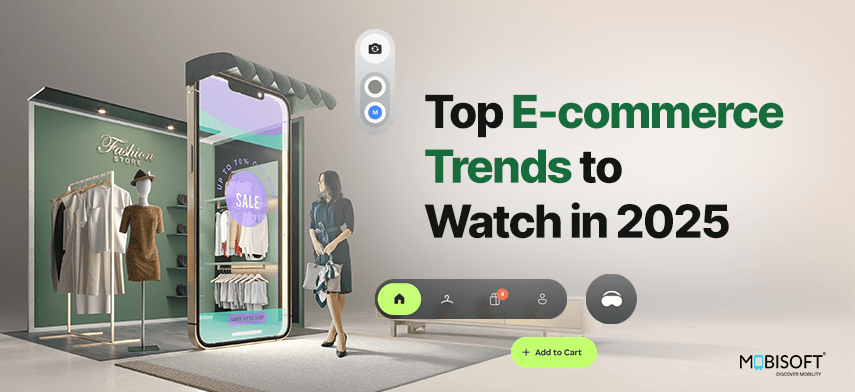
The Future of Ecommerce in 2025: Navigating Technological Revolutions
As we rapidly approach 2025, the landscape of digital commerce is undergoing a profound transformation, driven by an unprecedented convergence of cutting-edge technologies. This article delves deep into the future of ecommerce in 2025 technology, offering insights for businesses to not only survive but thrive in this evolving environment. From hyper-personalized customer journeys to advanced supply chain optimization, understanding these shifts is crucial for any brand aiming to lead the market. Prepare to explore how artificial intelligence, augmented reality, blockchain, and other innovations are reshaping online retail, creating an immersive shopping experience unlike anything seen before.
Artificial Intelligence (AI) and Machine Learning (ML): The Brains Behind Future Commerce
Artificial Intelligence is not just a buzzword; it's the foundational technology powering the next generation of ecommerce. By 2025, AI and ML will be deeply embedded in every facet of the online shopping experience, from discovery to post-purchase support. Businesses that leverage AI effectively will gain a significant competitive edge.
Hyper-Personalization and Predictive Analytics
- Dynamic Product Recommendations: AI algorithms will analyze vast amounts of customer data—browsing history, purchase patterns, social media activity, and even real-time behavior—to offer incredibly precise and context-aware product recommendations. This moves beyond simple "customers who bought this also bought..." to anticipate needs before the customer even knows them.
- Personalized Pricing and Promotions: Leveraging predictive analytics, AI will enable dynamic pricing strategies tailored to individual customer segments or even specific users, optimizing conversion rates and profit margins. Promotions will be highly targeted, delivered at the opportune moment through the preferred channel.
- Intelligent Search and Discovery: AI-powered search functions will understand natural language queries better, providing more relevant results and even suggesting alternative products based on inferred intent. Visual search will also become standard, allowing users to upload images and find similar items.
Conversational Commerce and Customer Service Automation
The interaction between brands and consumers will become more seamless and intuitive, driven by AI-powered conversational interfaces.
- Advanced Chatbots and Voice Assistants: Expect highly sophisticated chatbots capable of handling complex queries, processing orders, and even offering personalized styling advice. Integration with voice assistants like Alexa and Google Assistant will make voice commerce a mainstream channel for quick reorders and basic purchases.
- Proactive Customer Support: AI will monitor customer sentiment and behavior to proactively address potential issues before they escalate, offering solutions or initiating conversations to prevent churn. This shifts customer service from reactive to predictive.
- Automated Content Generation: AI tools will assist in creating product descriptions, marketing copy, and even personalized email campaigns, significantly reducing content creation bottlenecks and ensuring consistency across channels.
Immersive Shopping Experiences: AR, VR, and the Metaverse
The line between physical and digital shopping will blur further with the widespread adoption of Augmented Reality (AR) and Virtual Reality (VR), paving the way for truly immersive shopping experiences.
Augmented Reality (AR) for Product Visualization
- Virtual Try-Ons: From clothing and accessories to makeup and eyewear, AR will allow customers to virtually "try on" products using their smartphone cameras, providing a realistic sense of fit and appearance without leaving home.
- "Try Before You Buy" for Home Goods: Consumers will be able to visualize furniture, appliances, and decor items in their own living spaces, ensuring perfect size, style, and color match, significantly reducing returns.
- Interactive Product Demos: AR overlays can provide detailed product information, assembly instructions, or usage tips directly on the physical product, enhancing the post-purchase experience.
Virtual Reality (VR) and the Metaverse
While still nascent for mainstream ecommerce, 2025 will see significant strides in VR's application, particularly within the burgeoning metaverse concept.
- Virtual Showrooms and Stores: Brands will create realistic 3D virtual stores where customers can "walk around," browse products, interact with virtual sales assistants, and even socialize with other shoppers. This offers a new dimension to the omnichannel experience.
- Experiential Commerce: VR will enable brands to offer unique, branded experiences—like a virtual tour of a vineyard before buying wine, or a simulated test drive before purchasing a car part—creating deeper emotional connections with products.
- NFTs and Digital Collectibles: The integration of non-fungible tokens (NFTs) will allow for the sale of unique digital assets, often tied to physical products, opening up new revenue streams and loyalty programs within virtual worlds.
Supply Chain Transformation: Efficiency, Transparency, and Sustainability
The challenges of recent years have highlighted the critical need for resilient, transparent, and agile supply chains. By 2025, technology will be the primary driver of this transformation.
Blockchain for Transparency and Traceability
- Enhanced Supply Chain Visibility: Blockchain technology will provide an immutable, distributed ledger for every step of a product's journey—from raw materials to the consumer. This offers unparalleled transparency, combating counterfeiting and ensuring ethical sourcing.
- Improved Food Safety and Authenticity: For perishable goods, blockchain can track origin, handling, and temperature, ensuring product integrity and building consumer trust.
Robotics, Automation, and Last-Mile Delivery Innovations
Warehousing and logistics will become increasingly automated to meet the demands for faster and more efficient delivery.
- Automated Warehouses and Fulfillment Centers: Robots will handle picking, packing, and sorting, dramatically increasing efficiency and accuracy. This reduces operational costs and speeds up order fulfillment.
- Drone and Autonomous Vehicle Delivery: While regulatory hurdles remain, 2025 will see wider pilot programs and limited commercial deployment of drones and self-driving vehicles for last-mile delivery in specific areas, especially for urgent or high-value items.
- Optimized Delivery Routes: AI-powered algorithms will continuously optimize delivery routes in real-time, accounting for traffic, weather, and delivery windows, reducing fuel consumption and delivery times.
Payments and Security: Seamless Transactions and Unwavering Trust
The way consumers pay will continue to evolve, prioritizing convenience, speed, and robust security measures.
Invisible Payments and Biometric Authentication
- One-Click and Subscription Models: The default will be frictionless checkout processes, where payment details are securely stored, allowing for instant purchases. Subscription services will continue to grow, offering recurring revenue and customer loyalty.
- Biometric Payments: Fingerprint, facial recognition, and even iris scans will become more common for authenticating payments, enhancing security and speeding up transactions, especially on mobile devices.
- Digital Wallets and BNPL (Buy Now, Pay Later): Digital wallets will consolidate payment methods, loyalty cards, and even digital IDs. BNPL options will become standard, offering flexibility to consumers and increasing average order values for merchants.
Data Privacy and Cybersecurity
With increasing data breaches and evolving regulations (like GDPR and CCPA), consumer trust hinges on robust data protection.
- Enhanced Encryption and Tokenization: Advanced encryption methods and tokenization will protect sensitive payment and personal data, making it unreadable to unauthorized parties.
- AI-Powered Fraud Detection: AI and ML will be crucial in identifying and preventing fraudulent transactions in real-time, analyzing behavioral patterns and anomalies that human systems might miss.
- Transparent Data Practices: Brands will need to be explicitly clear about how customer data is collected, used, and protected, building trust through transparency and offering consumers greater control over their information. This is vital for maintaining a positive customer journey.
The Rise of Sustainable and Ethical Ecommerce
Consumer consciousness around environmental and social impact is growing, making sustainability a non-negotiable aspect of future ecommerce success.
Eco-Friendly Practices and Circular Economy Models
- Green Logistics: Adoption of electric vehicles for delivery, optimized routing to reduce emissions, and investment in sustainable packaging materials will become standard practice.
- Product Lifecycle Transparency: Consumers will demand to know the environmental footprint and ethical sourcing of products. Ecommerce platforms will provide detailed information on origin, manufacturing processes, and disposal recommendations.
- Recommerce and Rental Models: The resale of pre-owned goods (recommerce) and product rental services will gain significant traction, promoting a circular economy and reducing waste. Brands will increasingly facilitate these models directly.
Ethical Sourcing and Social Responsibility
Beyond environmental concerns, consumers will increasingly support brands that demonstrate social responsibility.
- Fair Trade and Labor Practices: Verification of ethical labor practices and fair wages throughout the supply chain will be crucial. Brands will use blockchain to prove adherence to these standards.
- Community Engagement and Impact: Ecommerce businesses will actively engage in social causes, donate portions of profits, or support local communities, showcasing their commitment to broader societal well-being.
- Authenticity and Brand Values: Consumers in 2025 will be adept at spotting 'greenwashing'. Brands must genuinely integrate sustainability and ethical practices into their core values and operations, communicating them authentically to build lasting loyalty.
Actionable Insights for Businesses in 2025
To prepare for the future of ecommerce in 2025 technology, businesses must adopt a proactive and adaptive strategy. Here are key areas to focus on:
- Invest in AI and Data Analytics: Begin integrating AI tools for personalization, customer service, and demand forecasting. Prioritize collecting and analyzing first-party data to gain deeper customer insights.
- Explore Immersive Technologies: Pilot AR features for product visualization. Monitor developments in VR and the metaverse, identifying niche opportunities for brand engagement and experiential commerce.
- Optimize Your Supply Chain for Resilience: Leverage automation in warehousing and explore blockchain for transparency. Focus on creating an agile supply chain that can adapt to disruptions.
- Prioritize Seamless and Secure Payments: Offer a variety of convenient payment options, including digital wallets and BNPL. Invest in robust cybersecurity measures and communicate data privacy practices clearly.
- Embrace Sustainability and Ethics: Integrate eco-friendly practices into your operations, from packaging to logistics. Be transparent about your ethical sourcing and social responsibility initiatives.
- Cultivate an Omnichannel Strategy: Ensure a consistent and seamless brand experience across all touchpoints—online, mobile, social, and physical (if applicable). Consider how voice commerce fits into your strategy.
- Foster a Culture of Innovation: The pace of technological change will only accelerate. Encourage experimentation, continuous learning, and adaptability within your organization.
By strategically adopting these technologies and principles, businesses can not only meet the demands of the future but also redefine the boundaries of online retail, creating unparalleled value for customers.
Frequently Asked Questions
What is the biggest technological driver for ecommerce in 2025?
The single biggest technological driver for ecommerce in 2025 is Artificial Intelligence (AI). AI underpins advancements in hyper-personalization, predictive analytics, conversational commerce, and even supply chain optimization, fundamentally transforming how businesses interact with customers and manage operations. Its pervasive influence makes it the core technology shaping the future of ecommerce in 2025 technology.
How will AR and VR impact online shopping by 2025?
By 2025, Augmented Reality (AR) will significantly enhance product visualization through virtual try-ons and in-home placement features, reducing returns and improving purchase confidence. Virtual Reality (VR), while still emerging, will enable more immersive shopping experiences through virtual showrooms and experiential brand interactions, potentially laying groundwork for shopping within the metaverse.
Will sustainability be a major factor in ecommerce by 2025?
Yes, sustainability will be a major, non-negotiable factor in ecommerce by 2025. Consumers are increasingly demanding eco-friendly products, transparent supply chains, and ethical business practices. Brands that adopt sustainable practices, offer circular economy models (like recommerce), and demonstrate genuine social responsibility will gain a significant competitive advantage and build stronger customer loyalty. This shift is driven by growing consumer awareness and a desire for more responsible consumption.

0 Komentar