
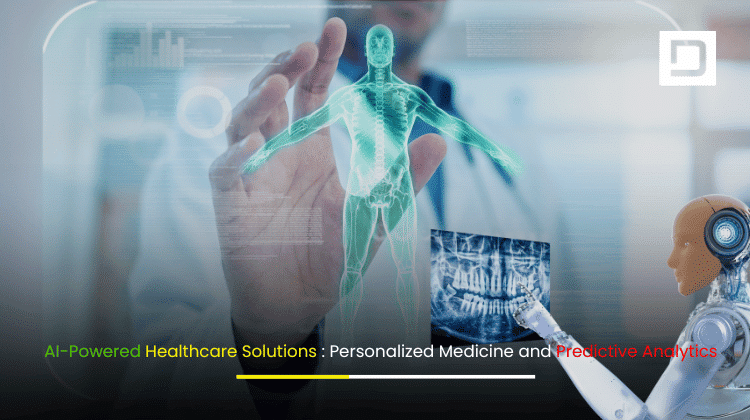
Personalized Medicine in 2025: Unveiling the Future of Tailored Healthcare
The healthcare landscape is on the cusp of a transformative revolution, moving rapidly from a one-size-fits-all approach to highly individualized treatment plans. As a professional SEO expert and content strategist, I recognize the immense importance of understanding and communicating these shifts. By 2025, personalized medicine, also known as precision health, will not just be a buzzword but a tangible reality for a significant portion of the global population. This comprehensive article delves into the critical predictions for personalized medicine in 2025, exploring how advancements in genomic sequencing, artificial intelligence, and digital health platforms are converging to create a future where healthcare is truly bespoke, predictive, and preventative. We'll uncover the practical implications for patients, healthcare providers, and the industry at large, ensuring you're equipped with the insights needed to navigate this exciting era.
The Ascendancy of Genomic Integration in Clinical Practice
One of the most profound shifts underpinning the future of personalized medicine is the increasingly routine integration of genomic data into everyday clinical decision-making. By 2025, the cost of whole-genome sequencing will have plummeted further, making it accessible to a much broader patient base. This affordability, coupled with advancements in data interpretation, means that a patient's unique genetic blueprint will become a foundational element of their health record, guiding everything from disease risk assessment to therapeutic selection.
Routine Genomic Profiling and Risk Prediction
- Population-Level Screening: We anticipate a significant uptake in newborn screening expanded to include a wider array of genetic conditions, identifying predispositions to rare diseases or adverse drug reactions early in life. For adults, proactive genomic profiling will become a standard offering, enabling individuals to understand their inherited risks for conditions like certain cancers, cardiovascular diseases, or neurodegenerative disorders.
- Predictive Analytics for Preventative Care: Leveraging genomic insights, healthcare providers will employ sophisticated predictive analytics to identify individuals at high risk of developing specific conditions years, even decades, before symptoms manifest. This allows for highly targeted preventative interventions, dietary recommendations, and lifestyle modifications, moving the focus from reactive treatment to proactive wellness. Imagine a future where your genetic profile guides your exercise regimen or informs your annual screening schedule with unprecedented precision.
- Pharmacogenomics (PGx) as Standard of Care: The era of trial-and-error prescribing will largely be over for many drug classes. By 2025, pharmacogenomics testing will be a routine consideration before prescribing certain medications, particularly in fields like oncology, psychiatry, and cardiology. This ensures that patients receive the most effective drug at the optimal dose, minimizing adverse effects and improving treatment outcomes. For instance, a patient might undergo PGx testing to determine if a common antidepressant will be effective for them, or if they are likely to experience severe side effects from a particular chemotherapy drug.
Artificial Intelligence: The Brain Behind Precision Health
While genomic data provides the raw material, it is artificial intelligence (AI) and machine learning that truly unlock its potential, transforming vast datasets into actionable clinical insights. By 2025, AI will be an indispensable partner in personalized medicine, driving diagnostics, drug discovery, and treatment optimization.
AI-Driven Diagnostics and Treatment Pathways
AI's ability to process and analyze complex medical data far beyond human capacity will revolutionize diagnostics. We'll see AI algorithms sifting through patient histories, genomic profiles, imaging scans, and real-time physiological data from wearables to identify subtle disease patterns that are imperceptible to the human eye. This leads to earlier, more accurate diagnoses, especially for rare or complex conditions.
- Enhanced Diagnostic Accuracy: AI-powered tools will augment radiologists, pathologists, and other specialists, improving the accuracy of diagnoses in areas like cancer detection from biopsies or early identification of neurological disorders from MRI scans. These systems learn from millions of data points, continually refining their ability to spot anomalies.
- Personalized Treatment Pathway Selection: Beyond diagnosis, AI will assist clinicians in crafting highly individualized treatment plans. By analyzing a patient's unique biological makeup, disease characteristics, and response data from similar patients, AI can recommend the most effective targeted therapies, surgical approaches, or combination treatments. This means less guesswork and more certainty in achieving optimal patient outcomes.
- Accelerated Drug Discovery and Repurposing: AI will dramatically shorten the drug discovery pipeline. Machine learning algorithms can rapidly screen billions of compounds, predict their efficacy and safety, and even identify new uses for existing drugs (drug repurposing). This acceleration will lead to more targeted therapies entering the market faster, specifically designed for molecular subtypes of diseases.
The Rise of Digital Health Platforms and Wearable Technology
The interface between patients and personalized medicine will increasingly be mediated by sophisticated digital health platforms and continuous monitoring via wearable technology. These innovations empower individuals to take a more active role in managing their health, generating real-time data that feeds into their personalized care plans.
Continuous Monitoring and Proactive Intervention
Wearable devices, from smartwatches to specialized biosensors, will evolve beyond fitness tracking to offer clinical-grade monitoring of vital signs, sleep patterns, activity levels, and even early indicators of physiological stress or disease onset. This continuous, passive data collection provides an unprecedented longitudinal view of an individual's health.
- Real-time Health Insights: Patients will receive personalized alerts and insights based on their real-time data, enabling proactive interventions. For example, a wearable might detect an irregular heartbeat pattern indicative of atrial fibrillation, prompting an immediate notification to both the patient and their care team.
- Remote Patient Monitoring (RPM): For chronic disease management, RPM via digital platforms will become standard. Patients with conditions like diabetes, hypertension, or heart failure will have their glucose levels, blood pressure, or ECG readings automatically transmitted to their care providers, allowing for timely adjustments to medication or lifestyle advice without requiring an in-person visit. This enhances convenience and improves adherence to treatment plans.
- Patient Engagement and Empowerment: Digital health platforms will serve as central hubs for managing personal health data, scheduling appointments, accessing educational resources tailored to their genetic predispositions, and communicating securely with their healthcare team. This fosters greater patient engagement and empowers individuals to be active participants in their health journey.
Ethical Considerations and Data Privacy in a Personalized World
As personalized medicine rapidly advances, the ethical implications, particularly concerning data privacy and health equity, become paramount. By 2025, robust frameworks and societal discussions will be well underway to address these critical challenges.
Ensuring Equitable Access and Data Security
The promise of personalized medicine must be accessible to all, not just the privileged few. Efforts will intensify to ensure health equity, addressing disparities in access to advanced diagnostics and therapies across socioeconomic lines and geographical regions.
- Standardized Data Security Protocols: With vast amounts of sensitive genetic and health data being collected and shared, stringent, globally recognized data security protocols will be essential. Blockchain technology and advanced encryption methods may play a larger role in securing patient information and managing consent for data sharing, ensuring that individuals retain control over their genomic and health data.
- Ethical Guidelines for AI and Genomics: As AI makes more critical decisions and genomic editing technologies like CRISPR become more sophisticated, clear ethical guidelines will be developed to govern their use. Public discourse and regulatory bodies will grapple with questions of informed consent, genetic discrimination, and the responsible application of these powerful tools.
- Interoperability and Data Sharing: For personalized medicine to truly flourish, seamless interoperability between different healthcare systems, laboratories, and research institutions is crucial. By 2025, significant progress will have been made in establishing common data standards and secure data-sharing platforms, allowing for a more holistic view of patient health and accelerating research.
Actionable Tips for Embracing the Personalized Medicine Era
For individuals, healthcare providers, and technology developers, preparing for personalized medicine in 2025 means proactive engagement and adaptation. Here are some practical steps to consider:
For Individuals:
- Engage with Your Health Data: Start familiarizing yourself with digital health apps and wearable devices. Understand how to access and interpret your health records.
- Discuss Genomics with Your Doctor: Ask your physician about the potential benefits of pharmacogenomics testing or broader genomic screening based on your family history and health profile.
- Prioritize Preventative Care: Embrace lifestyle changes that align with general health principles, as personalized insights will only enhance these efforts.
- Stay Informed: Follow reputable sources on advancements in precision health and medical technology.
For Healthcare Providers:
- Invest in Digital Literacy: Train staff on new digital health platforms, AI-driven diagnostic tools, and the interpretation of genomic data.
- Collaborate with Genetic Counselors: Integrate genetic counseling services to help patients understand complex genomic information and its implications.
- Adopt Interoperable EHR Systems: Ensure your electronic health record system can seamlessly integrate with diagnostic labs, research databases, and patient-facing digital tools.
- Focus on Value-Based Care: Shift towards models that reward health outcomes and preventative measures, aligning with the core tenets of personalized medicine.
For Tech Developers & Researchers:
- Prioritize User-Centric Design: Develop intuitive and secure digital health solutions that empower patients and streamline clinician workflows.
- Ensure Data Privacy by Design: Build security and privacy features into every layer of your technology from the outset.
- Foster Interoperability: Design systems that can easily communicate and share data with other platforms and devices using open standards.
- Address Health Equity: Consider how your innovations can be made accessible and beneficial to diverse populations globally.
Frequently Asked Questions
What is the core difference between personalized medicine and traditional healthcare?
The core difference lies in the approach to treatment. Traditional healthcare typically uses a one-size-fits-all model, applying treatments based on what works for the "average" patient with a specific diagnosis. In contrast, personalized medicine (or precision health) tailors medical decisions, treatments, and preventative care to an individual's unique characteristics, including their genetic makeup, lifestyle, environment, and the specific molecular profile of their disease. This results in more effective, safer, and highly individualized health interventions.
How will AI specifically impact personalized medicine by 2025?
By 2025, AI will be a cornerstone of personalized medicine, primarily by enabling the analysis of vast and complex datasets. Specifically, AI will:
- Enhance Diagnostics: Improve the accuracy and speed of disease detection by analyzing medical images, genomic data, and patient records for subtle patterns.
- Optimize Treatment Selection: Help clinicians choose the most effective and least toxic therapies by predicting individual responses based on their unique biological profiles.
- Accelerate Drug Discovery: Drastically speed up the identification of new drug candidates and the repurposing of existing drugs for specific patient populations.
- Power Predictive Analytics: Forecast disease risk and progression, allowing for highly targeted preventative interventions.
What role will genomic data play in my personal health plan?
By 2025, your genomic data is predicted to play a significant and increasingly routine role in your personal health plan. It will be used to:
- Assess Disease Risk: Identify predispositions to genetic conditions or chronic diseases, enabling early intervention.
- Guide Medication Choices (Pharmacogenomics): Determine how your body will metabolize specific drugs, helping your doctor prescribe the most effective medication at the optimal dose, minimizing adverse reactions.
- Inform Preventative Strategies: Tailor lifestyle recommendations, dietary advice, and screening schedules based on your unique genetic predispositions.
- Personalize Cancer Treatment: For oncology patients, genomic profiling of tumors will guide the selection of highly targeted therapies designed to attack the specific genetic mutations driving the cancer.
Are there ethical concerns regarding the rapid advancement of personalized medicine?
Yes, the rapid advancement of personalized medicine raises several important ethical concerns. Key areas of discussion by 2025 will include:
- Data Privacy and Security: Protecting sensitive genomic and health data from breaches and misuse.
- Health Equity: Ensuring that advanced personalized treatments are accessible to all individuals, regardless of socioeconomic status or geographic location, to avoid exacerbating existing health disparities.
- Genetic Discrimination: Preventing discrimination in employment or insurance based on an individual's genetic predispositions.
- Informed Consent: Ensuring patients fully understand the implications of genomic testing and data sharing.
- Ethical Use of Gene Editing: Debates surrounding the responsible application of powerful technologies like CRISPR for therapeutic purposes and potential germline editing.

0 Komentar