
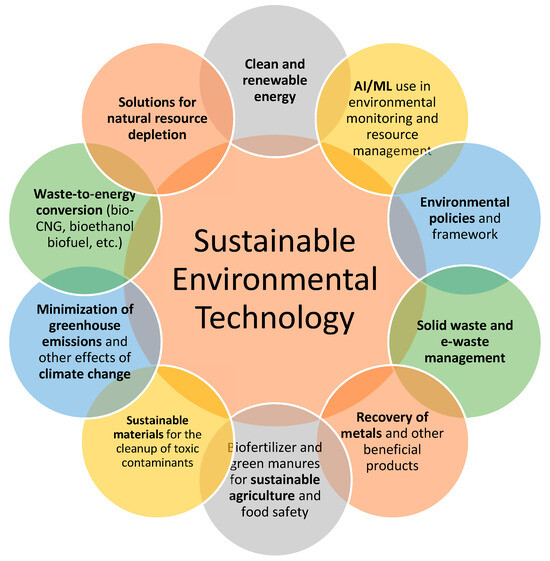
The Future of AI-Powered Environmental Monitoring and Analysis 2025: A Paradigm Shift for Planetary Health
The year 2025 marks a pivotal moment in our global efforts to combat environmental degradation, largely driven by the accelerating integration of Artificial Intelligence (AI) into environmental monitoring and analysis. This isn't merely an incremental upgrade; it represents a fundamental shift in how we understand, predict, and respond to ecological challenges. As an SEO expert with deep insights into both technological trends and search intent, we recognize that the future of environmental stewardship hinges on sophisticated, data-driven approaches. This comprehensive guide explores how AI is poised to revolutionize our ability to monitor critical environmental parameters, analyze complex data sets, and foster a more sustainable future by 2025 and beyond.
The Dawn of a New Era: AI's Role in Environmental Stewardship
For decades, environmental monitoring has relied on traditional methods, often labor-intensive, geographically limited, and slow to yield actionable insights. The advent of AI, particularly machine learning and deep learning algorithms, is transforming this landscape entirely. By 2025, AI will be the indispensable backbone for managing the vast influx of environmental data, enabling unprecedented precision and speed in our understanding of planetary health. This integration promises to move us beyond reactive measures towards proactive, predictive interventions, crucial for addressing urgent issues like climate change, biodiversity loss, and pollution.
From Reactive to Proactive: Predictive Analytics
One of the most profound impacts of AI in environmental monitoring is its capacity for predictive modeling. Instead of merely reporting current conditions, AI algorithms can analyze historical data, real-time sensor inputs, and complex atmospheric or oceanic models to forecast future environmental scenarios. Imagine predicting localized flooding weeks in advance, identifying areas prone to wildfire based on vegetation dryness and wind patterns, or anticipating harmful algal blooms before they devastate aquatic ecosystems. This shift from reactive problem-solving to proactive prevention is a game-changer, allowing policymakers and conservationists to implement timely mitigation strategies and resource allocation. The ability to forecast environmental impacts will be critical for effective resource management and disaster preparedness.
Unprecedented Data Scale and Speed
The sheer volume and velocity of environmental data being generated today are staggering. From satellite imagery capturing deforestation in real-time to vast networks of IoT sensors measuring air quality in urban centers, and drones surveying wildlife populations, the data deluge is immense. Traditional analytical methods simply cannot keep pace. AI, however, thrives on big data. Its ability to process, interpret, and identify patterns in petabytes of information—often in near real-time—is unparalleled. By 2025, AI-powered platforms will seamlessly integrate data from disparate sources, creating a holistic, dynamic picture of our environment, far beyond what human analysis alone could achieve. This empowers more accurate environmental data analysis, leading to better decision-making.
Key Areas of AI-Powered Environmental Monitoring in 2025
The applications of AI in environmental monitoring are diverse and rapidly expanding. By 2025, we anticipate significant advancements across several critical domains, fundamentally altering how we perceive and interact with our natural world.
Air Quality Monitoring and Pollution Control
- Hyperlocal Pollution Mapping: AI will integrate data from low-cost sensors, satellite imagery, and traffic patterns to create highly granular, real-time maps of air pollutants (e.g., PM2.5, NOx, ozone). This allows for dynamic regulation, alerting vulnerable populations, and pinpointing emission sources with unprecedented accuracy.
- Predictive Smog Alerts: Advanced AI models will forecast smog events days in advance, enabling cities to implement pre-emptive measures like traffic restrictions or industrial slowdowns, significantly reducing public health impacts.
- Industrial Emission Tracking: AI will monitor industrial stacks and facilities, identifying anomalies that indicate non-compliance or equipment malfunctions, thereby enhancing pollution control efforts.
Water Resource Management and Ocean Health
- Smart Water Grid Management: AI will optimize water distribution networks, detect leaks in pipelines, and predict demand fluctuations, leading to massive efficiencies in urban and agricultural water use. This is crucial for sustainable water resource management in a world facing increasing water scarcity.
- Oceanic Health Surveillance: Autonomous underwater vehicles (AUVs) equipped with AI will monitor ocean currents, temperature, salinity, and marine life. AI will analyze satellite data to track plastic pollution, oil spills, and illegal fishing activities, providing critical insights for ocean conservation and protecting delicate ecosystems.
- Algal Bloom Prediction: Machine learning models will analyze satellite images, water quality parameters, and weather forecasts to predict harmful algal blooms, allowing for early warning systems and mitigation strategies.
Biodiversity Conservation and Ecosystem Health
- Automated Wildlife Tracking: AI-powered cameras and acoustic sensors will identify and track endangered species, monitor migration patterns, and detect poaching activities in remote areas, significantly enhancing conservation efforts. Learn more about AI in wildlife conservation (internal link suggestion).
- Deforestation and Habitat Degradation Alerts: Satellite imagery combined with AI will provide near real-time alerts on deforestation, illegal logging, and habitat encroachment, enabling rapid response from conservation authorities.
- Ecosystem Health Assessment: AI will analyze drone imagery and environmental sensor data to assess the health of forests, wetlands, and other ecosystems, identifying early signs of stress or degradation, which is vital for maintaining ecological balance.
Climate Change Adaptation and Mitigation
- Carbon Footprint Analysis and Optimization: AI will help industries and cities analyze their energy consumption and emissions with greater precision, identifying opportunities for efficiency improvements and supporting the transition to renewable energy sources. This directly contributes to climate change mitigation strategies.
- Extreme Weather Prediction: AI models will enhance the accuracy of extreme weather event forecasts (e.g., hurricanes, droughts, heatwaves), improving preparedness and reducing human and economic losses.
- Resilience Planning: By simulating various climate scenarios, AI will help urban planners and governments develop more resilient infrastructure and adaptation strategies to cope with the inevitable impacts of a changing climate.
Waste Management and Circular Economy
- Automated Waste Sorting: Robotic arms equipped with AI vision systems will significantly improve the efficiency and accuracy of waste sorting at recycling facilities, separating materials like plastics, metals, and paper with high precision, thus boosting the circular economy.
- Waste Stream Optimization: AI will analyze waste generation patterns to optimize collection routes, predict landfill capacities, and identify opportunities for waste reduction and resource recovery, supporting overall sustainability initiatives.
Technological Enablers: What Makes it Possible?
The rapid evolution of AI's capabilities in environmental monitoring is underpinned by several converging technological advancements.
Advanced Sensor Networks and IoT Integration
The proliferation of inexpensive, robust sensors—measuring everything from water quality to atmospheric gases—and their seamless integration into the Internet of Things (IoT) is generating an unprecedented volume of granular data. These networks provide the raw material that AI algorithms need to learn and make informed decisions. By 2025, these sensor networks will be even more pervasive, offering real-time insights from virtually any location.
Machine Learning and Deep Learning Algorithms
At the heart of AI-powered environmental monitoring are sophisticated machine learning (ML) and deep learning (DL) algorithms. These include:
- Convolutional Neural Networks (CNNs): Excellent for image and video analysis (e.g., satellite imagery for deforestation, drone footage for wildlife).
- Recurrent Neural Networks (RNNs) / LSTMs: Ideal for time-series data analysis (e.g., predicting air quality trends, forecasting weather patterns).
- Reinforcement Learning: Can optimize complex systems like water distribution networks or energy grids for efficiency and sustainability.
These algorithms are continuously improving, enabling AI systems to learn from vast datasets, identify subtle patterns, and make increasingly accurate predictions and classifications. The ongoing advancements in data analytics are pivotal for extracting meaningful insights.
Cloud Computing and Big Data Analytics
Processing the immense datasets generated by environmental monitoring requires significant computational power and storage. Cloud computing provides the scalable infrastructure necessary for AI models to operate efficiently, allowing for real-time processing and analysis without the need for massive on-premise hardware. Big data analytics platforms complement AI by providing the tools to manage, clean, and prepare these diverse datasets for algorithmic consumption, ensuring data quality and accessibility. This infrastructure is vital for handling the complexities of environmental intelligence at scale.
Robotics and Autonomous Systems
Drones, autonomous underwater vehicles (AUVs), and ground robots are becoming indispensable tools for data collection in hazardous or inaccessible environments. Equipped with AI, these systems can navigate complex terrains, identify targets (e.g., plastic waste, endangered species), and collect high-quality data more efficiently and safely than human operators. By 2025, their autonomy and sensor capabilities will be even further enhanced, making them frontline agents in environmental data acquisition.
Challenges and Ethical Considerations
While the promise of AI in environmental monitoring is immense, it's crucial to acknowledge and address the challenges and ethical considerations that accompany its widespread adoption.
Data Privacy and Security
The collection of vast amounts of environmental data, especially when integrated with urban infrastructure or personal devices, raises concerns about data privacy and security. Ensuring that sensitive data is protected from unauthorized access or misuse is paramount. Robust cybersecurity measures and clear data governance policies will be essential to build public trust and prevent malicious exploitation.
Algorithmic Bias and Accuracy
AI models are only as good as the data they are trained on. Biased or incomplete datasets can lead to skewed results, potentially misinforming environmental policies or resource allocation. For example, if a model for predicting pollution is trained primarily on data from affluent areas, it might inaccurately assess risks in underserved communities. Ensuring data diversity, transparency in algorithms, and continuous validation will be critical to mitigate algorithmic bias and guarantee the accuracy and fairness of AI-driven insights. The goal is truly reliable ecological impact assessment.
Accessibility and Infrastructure Gaps
The benefits of AI in environmental monitoring must be accessible globally, not just to technologically advanced nations. Many developing countries, which are often most vulnerable to environmental degradation, may lack the necessary infrastructure, technical expertise, or financial resources to implement sophisticated AI solutions. Bridging this digital divide through international collaboration, open-source initiatives, and capacity building will be vital for achieving truly global environmental sustainability.
Actionable Insights for Implementation and Future Readiness
To fully realize the potential of AI in environmental monitoring by 2025, several strategic actions are necessary for governments, industries, and research institutions.
Collaborative Ecosystems
- Public-Private Partnerships: Foster collaborations between government agencies, technology companies, research institutions, and NGOs. This accelerates the development and deployment of AI solutions, leveraging diverse expertise and resources.
- Data Sharing Platforms: Develop open, standardized platforms for sharing environmental data across organizations and disciplines. This maximizes the utility of collected data and encourages innovation.
- Citizen Science Integration: Empower citizens to contribute data through user-friendly apps, which can then be validated and analyzed by AI, creating a massive, distributed monitoring network. This enhances community engagement in environmental conservation.
Investment in AI Literacy and Training
The environmental sector needs a workforce equipped with AI skills. This means:
- Curriculum Development: Integrate AI, data science, and environmental analytics into university and vocational training programs.
- Upskilling Current Professionals: Offer training and workshops for existing environmental scientists, policymakers, and practitioners to leverage AI tools effectively.
- Interdisciplinary Research: Fund research that bridges environmental science, computer science, and social sciences to develop holistic solutions.
Policy and Regulatory Frameworks
Governments must play a proactive role in creating an enabling environment for AI adoption:
- Data Governance Standards: Establish clear policies for data collection, ownership, privacy, and sharing to ensure ethical and responsible AI deployment.
- Incentives for Innovation: Offer grants, tax breaks, and regulatory sandboxes to encourage companies and researchers to develop and deploy AI solutions for environmental challenges.
- International Cooperation: Work with global partners to standardize environmental data collection and AI methodologies, facilitating cross-border environmental management, especially for issues like transboundary pollution or shared ecosystems.
By prioritizing these actionable steps, we can ensure that AI truly serves as a powerful ally in securing a healthier planet for future generations. The journey towards a fully AI-powered environmental monitoring landscape by 2025 is not without its hurdles, but the potential rewards for planetary health are immeasurable.
Frequently Asked Questions
What is AI-powered environmental monitoring?
AI-powered environmental monitoring refers to the use of Artificial Intelligence technologies, including machine learning and deep learning, to collect, process, analyze, and interpret vast amounts of environmental data. This data comes from sources like sensors, satellites, drones, and citizen science initiatives. The AI's role is to identify patterns, make predictions, automate tasks, and provide actionable insights for environmental protection, resource management, and climate change adaptation, often in real-time. It transforms raw data into meaningful environmental intelligence.
How will AI improve environmental data analysis by 2025?
By 2025, AI will significantly enhance environmental data analysis by enabling the rapid processing of immense, complex datasets that are impossible for humans to analyze manually. It will improve accuracy in identifying pollution sources, predict environmental events (like floods or wildfires) with greater precision, and provide deeper insights into ecosystem health through advanced pattern recognition. AI will automate routine analysis tasks, freeing human experts to focus on strategic decision-making and intervention, leading to more efficient and effective ecological monitoring.
What are the main benefits of using AI for environmental protection?
The main benefits of using AI for environmental protection include enhanced precision in monitoring, predictive capabilities for early warning systems, optimized resource management, improved efficiency in conservation efforts, and the ability to process vast amounts of complex data in real-time. It allows for a shift from reactive problem-solving to proactive prevention, leading to more effective sustainability initiatives, better public health outcomes, and more informed policy decisions for a healthier planet.
Are there ethical concerns with AI in environmental monitoring?
Yes, there are ethical concerns. These primarily revolve around data privacy and security, especially when environmental data intersects with personal information or sensitive locations. Another concern is algorithmic bias, where AI models might produce inaccurate or unfair results due to biased training data, potentially leading to inequitable environmental policies. Ensuring transparency, accountability, and accessibility in AI development and deployment is crucial to address these ethical challenges and build trust in AI-driven environmental solutions.

0 Komentar