
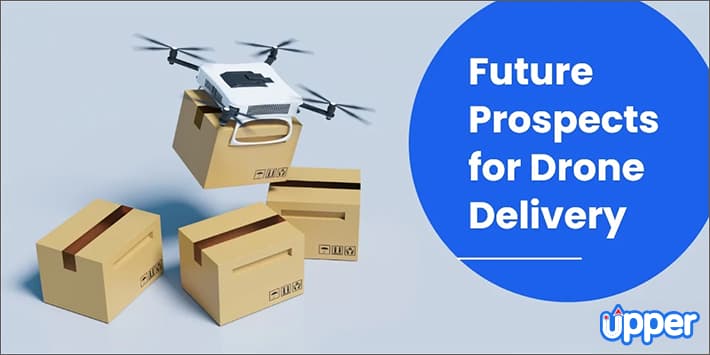
The Future of Drone Delivery Services 2025: Navigating the Skies of Autonomous Logistics
Prepare for a transformative shift in how goods reach your doorstep. By 2025, the once-futuristic concept of drone delivery services is poised to transition from experimental trials to a tangible, everyday reality for millions. This comprehensive guide explores the imminent advancements, regulatory landscapes, and market dynamics shaping the rapid ascent of autonomous aerial logistics. Discover how evolving drone technology advancements, coupled with strategic regulatory shifts, are setting the stage for a new era of efficient, eco-friendly, and rapid package delivery, fundamentally reshaping last-mile delivery and urban infrastructure.
The Current Trajectory: Building Towards 2025's Aerial Revolution
While still in nascent stages, the current landscape of drone delivery services offers a compelling glimpse into the near future. Leading companies like Wing, Zipline, Amazon Prime Air, and UPS Flight Forward have already conducted tens of thousands of successful deliveries, primarily focusing on specific use cases such as medical supplies, food, and small retail items. These early trials have been instrumental in refining autonomous drone capabilities, testing various payload capacities, and gathering critical data on operational efficiency and safety. The challenges faced – from regulatory hurdles to public acceptance and technical limitations – are actively being addressed, paving the way for more widespread adoption by 2025. This foundational work is crucial for establishing the robust drone logistics networks required for large-scale commercial operations.
Pioneering Pilot Programs and Their Learnings
- Medical Deliveries: Zipline’s extensive work in Rwanda and Ghana, delivering blood and medical supplies, has proven the life-saving potential and reliability of drone logistics in challenging terrains. This demonstrates the critical role drones can play in areas with limited ground infrastructure.
- Food and Retail: Wing’s operations in Virginia, Australia, and Finland, delivering coffee, groceries, and pharmacy items, highlight the convenience factor and potential for reducing traffic congestion in urban areas. These programs are key to understanding consumer behavior regarding aerial delivery.
- Logistics Integration: UPS Flight Forward’s FAA Part 135 certification for drone airline operations signifies a major step towards integrating drones into existing supply chain optimization strategies, particularly for campus environments and time-sensitive deliveries.
Key Technologies Shaping Drone Delivery by 2025
The acceleration of drone delivery services towards mainstream adoption by 2025 is underpinned by significant advancements in several critical technological domains. These innovations are not just incremental improvements but represent foundational shifts making autonomous aerial delivery safer, more reliable, and economically viable.
Advanced Autonomous Navigation and AI Integration
The heart of efficient drone delivery lies in sophisticated autonomous navigation. By 2025, drones will leverage highly advanced sensor fusion (Lidar, radar, cameras), real-time obstacle avoidance systems, and precise GPS/RTK positioning to navigate complex urban and rural environments without human intervention. AI-powered navigation algorithms will enable drones to dynamically adapt to changing weather conditions, avoid unforeseen obstacles, and optimize flight paths for speed and energy efficiency. Machine learning will continuously refine these algorithms based on vast datasets from millions of flights, leading to unparalleled reliability and safety. This sophisticated autonomy is paramount for achieving true BVLOS operations (Beyond Visual Line of Sight).
Enhanced Battery Technology and Range
Battery limitations have historically been a significant bottleneck for drone operations. However, by 2025, expect to see substantial improvements in energy density, charging speeds, and battery lifespan. Advances in solid-state batteries, hydrogen fuel cells, and even hybrid propulsion systems will significantly extend drone range and payload capacity. This means drones will be capable of longer delivery routes and carrying heavier packages, broadening the scope of what can be delivered. Furthermore, automated battery swapping stations and rapid charging infrastructure will become more common, minimizing downtime and maximizing operational throughput for commercial drone operations.
Robust Communication Systems and Airspace Integration
Reliable and secure communication is non-negotiable for autonomous drones. By 2025, drones will utilize a combination of 5G, satellite communication, and dedicated drone-to-infrastructure (D2I) protocols to maintain constant connectivity with ground control and other aircraft. This robust communication backbone is vital for real-time telemetry, command and control, and especially for airspace integration. Unmanned Traffic Management (UTM) systems, powered by AI and cloud computing, will be more mature, allowing for the safe deconfliction of drone flight paths with manned aviation and other drones, creating a cohesive and managed aerial ecosystem for urban air mobility (UAM).
Regulatory Milestones and Frameworks by 2025
Perhaps the most critical enabler for the widespread adoption of drone delivery services by 2025 is the evolution of regulatory frameworks. Governments and aviation authorities worldwide are actively developing and refining rules to ensure safety, security, and scalability.
BVLOS Operations and Airspace Integration
The ability to operate drones Beyond Visual Line of Sight (BVLOS) is fundamental for economically viable and scalable delivery services. By 2025, we anticipate more streamlined processes for obtaining BVLOS waivers and certifications in key regions like the US (FAA), Europe (EASA), and the UK (CAA). These frameworks will rely heavily on robust UTM systems, advanced detect-and-avoid technologies, and proven safety records from pilot programs. The goal is to create designated drone corridors or "sky lanes" that allow for predictable and safe aerial traffic, significantly boosting the feasibility of widespread package delivery efficiency.
Certification and Safety Standards
Standardized certification processes for drone airworthiness, operator training, and maintenance protocols will be increasingly formalized. This includes rigorous testing of drone hardware and software, cybersecurity measures, and fail-safe mechanisms. International cooperation will be vital in harmonizing these standards, allowing drone manufacturers and operators to scale globally without encountering disparate national regulations. The focus will be on demonstrating an equivalent level of safety to traditional manned aviation, building public trust in commercial drone operations.
Local and International Harmonization
While national regulations set the broad strokes, local ordinances (city, county) will also play a crucial role in shaping where and how drones operate. By 2025, there will be a greater push for harmonization between national and local laws, potentially through standardized templates or best practices. Internationally, organizations like ICAO will continue to work towards global guidelines, facilitating cross-border drone operations and fostering a more interconnected global drone logistics network.
Market Opportunities and Niche Applications for Drone Delivery
The versatility of drone technology advancements means that by 2025, drone delivery will extend far beyond basic parcel transport, opening up significant market opportunities across various sectors.
Last-Mile Urban Deliveries
This is arguably the largest immediate market. Drones offer a solution to the congestion and environmental impact of traditional vehicle-based last-mile delivery in urban centers. Expect to see drones delivering takeout food, groceries, pharmaceuticals, and small e-commerce packages directly to designated drop-off points or even customer backyards. The speed and convenience will be a major draw, especially for time-sensitive items. Businesses can significantly reduce operational costs associated with vehicle fleets, fuel, and drivers, leading to improved supply chain optimization.
Rural and Remote Area Access
For communities cut off by poor road infrastructure or natural disasters, drones provide a lifeline. By 2025, drone delivery will be a standard method for transporting essential goods, medical supplies, and even mail to remote villages, islands, or mountainous regions. This application offers significant social benefits, improving access to critical services and reducing delivery times dramatically compared to traditional methods.
Medical and Emergency Supplies
Building on existing pilot programs, drones will become indispensable for rapid delivery of vaccines, blood samples, organs for transplant, and emergency medical equipment. Their ability to bypass traffic and reach disaster zones quickly makes them ideal for critical, time-sensitive medical logistics. This specialized niche will see substantial growth as healthcare providers seek more efficient and reliable delivery methods.
Specialized Commercial Drone Operations
Beyond general package delivery, 2025 will see drones performing highly specialized tasks:
- On-demand Parts Delivery: Delivering spare parts to repair technicians or industrial sites, minimizing downtime.
- Construction Site Logistics: Transporting small tools or materials across large construction sites.
- Offshore and Maritime Support: Delivering supplies to ships or oil rigs, reducing the need for costly boat trips.
Overcoming Obstacles: Challenges and Solutions for 2025
While the path to widespread drone delivery services is promising, several challenges remain. Addressing these effectively is crucial for unlocking the full potential of aerial logistics by 2025.
Public Acceptance and Noise Concerns
Noise pollution from drone operations is a significant concern for residents, especially in densely populated areas. Solutions involve designing quieter drones (e.g., multi-rotor designs with optimized propellers, fixed-wing hybrids), establishing designated flight paths away from residential zones, and engaging in transparent public education campaigns. Building trust through reliable and safe operations will be paramount for widespread adoption and positive community reception.
Weather and Environmental Resilience
Drones are susceptible to adverse weather conditions like strong winds, heavy rain, snow, and extreme temperatures. By 2025, advancements in drone design (e.g., enhanced waterproofing, aerodynamic stability, de-icing systems) and sophisticated weather forecasting integration will allow for more robust all-weather operations. However, some extreme conditions will still necessitate grounding flights, requiring adaptable fallback options within the drone logistics network.
Security and Cybersecurity Threats
Protecting drones from physical tampering, theft, and cyberattacks is critical. Solutions include advanced encryption for communication, secure hardware and software architectures, anti-spoofing GPS technology, and robust physical security measures at drone launch and landing sites. Continuous threat monitoring and rapid response protocols will be essential to maintain the integrity of the package delivery system.
Infrastructure Development (Droneports, Charging Stations)
Scaling drone delivery requires dedicated infrastructure. By 2025, we'll see the development of "droneports" or vertiports – centralized hubs for drone take-off, landing, charging, maintenance, and package loading/unloading. These will be integrated into existing logistics centers, retail stores, and potentially residential buildings. Automated battery swapping and rapid charging stations will be vital components of this infrastructure, ensuring continuous operation and minimizing turnaround times for autonomous drone fleets.
Economic Impact and Supply Chain Transformation
The advent of widespread drone delivery services by 2025 promises a significant economic impact, reshaping traditional supply chain optimization and creating new opportunities.
The primary economic driver is efficiency. Drones can significantly reduce delivery times, particularly for last-mile delivery, bypassing traffic congestion and often reaching destinations more directly. This speed translates into higher customer satisfaction and the ability for businesses to offer premium, on-demand services. Furthermore, the operational costs associated with drones can be lower than traditional vehicle fleets, especially concerning fuel, maintenance, and labor for short, frequent trips. This cost-effectiveness will become more apparent as economies of scale are achieved through mass production of drones and the maturation of drone logistics infrastructure.
The transformation of supply chains will be profound. Instead of relying solely on large distribution centers and ground transport, companies will be able to establish micro-fulfillment centers or hyper-local hubs from which drones can deploy rapidly. This decentralization of inventory and logistics can lead to reduced warehousing costs and more agile inventory management. The ability to deliver goods on demand will also impact consumer purchasing habits, potentially leading to a decrease in impulse buys and a shift towards more precise, just-in-time acquisition of goods. This could reduce waste and optimize inventory levels across the entire retail ecosystem, demonstrating the powerful influence of drone technology advancements on market dynamics.
Moreover, the drone delivery sector itself will spur economic growth through job creation in manufacturing, maintenance, software development, regulatory compliance, and airspace management. New business models will emerge, from drone-as-a-service providers to specialized drone infrastructure companies, further diversifying the economic landscape.
Actionable Insights for Businesses and Policy Makers
For businesses looking to capitalize on the future of drone delivery services 2025 and for policymakers aiming to facilitate its safe and effective integration, several actionable steps are critical.
- Invest in Pilot Programs and R&D: Businesses should continue to engage in small-scale pilot programs to understand operational nuances, test different drone models, and gather valuable data. This practical experience is invaluable for scaling. Policymakers should offer incentives for R&D in drone safety, quieter designs, and energy efficiency.
- Collaborate on Regulatory Frameworks: Industry players must actively engage with regulatory bodies to provide real-world insights, advocate for practical regulations, and help shape a future where innovation and safety coexist. Regulators should foster an agile approach to rule-making, allowing for iterative improvements based on technological progress and operational experience, particularly concerning BVLOS operations.
- Develop Integrated Infrastructure Plans: Businesses should start planning for droneport integration into existing facilities or new builds. Policymakers need to include urban air mobility (UAM) considerations in urban planning, zoning laws, and infrastructure development projects, ensuring seamless airspace integration.
- Prioritize Public Engagement and Education: Both industry and government must proactively address public concerns regarding noise, privacy, and safety. Transparent communication, community demonstrations, and clear benefits articulation will be key to fostering public acceptance and trust in autonomous drones.
- Focus on Cybersecurity and Data Privacy: As drone networks expand, so does the attack surface. Businesses must implement robust cybersecurity measures from the outset, and policymakers need to establish clear data privacy regulations for drone operations, ensuring consumer trust and compliance.
Frequently Asked Questions
What specific types of packages will drones deliver most commonly by 2025?
By 2025, drone delivery services will primarily focus on small, lightweight packages, typically weighing under 5-7 pounds. This includes a wide range of items such as takeout food, groceries (especially smaller orders or specific items), pharmaceuticals, medical supplies, small electronics, books, and various e-commerce goods that fit within the drone's payload capacity. The emphasis will be on rapid, on-demand delivery for convenience and urgency, significantly impacting last-mile delivery efficiency.
How will drone delivery address environmental concerns by 2025?
Drone delivery services are poised to significantly reduce the carbon footprint of last-mile delivery. By 2025, electric-powered autonomous drones will produce zero direct emissions during flight, offering a greener alternative to traditional fossil-fuel-powered delivery vehicles. Their ability to bypass traffic congestion further reduces overall emissions and noise pollution from ground vehicles. As renewable energy sources power charging infrastructure, the environmental benefits of drone logistics will become even more pronounced, contributing to broader sustainability goals.
Will drone delivery replace traditional delivery methods entirely by 2025?
No, by 2025, drone delivery services are highly unlikely to replace traditional delivery methods entirely. Instead, they will serve as a complementary, highly efficient component of a diversified logistics network. Drones are best suited for specific use cases: rapid, lightweight deliveries over short to medium distances, especially in urban, suburban, and remote areas where ground access is challenging or traffic is heavy. Larger, heavier, or bulkier items will still primarily rely on traditional vans, trucks, and freight services. The future of supply chain optimization involves a hybrid approach, leveraging the strengths of each delivery method for optimal efficiency and customer satisfaction.
What role will AI play in drone delivery operations by 2025?
Artificial Intelligence (AI) will be fundamental to virtually every aspect of drone delivery services by 2025. AI algorithms will power AI-powered navigation systems, enabling drones to autonomously plan optimal flight paths, avoid obstacles in real-time, and adapt to changing weather conditions. Machine learning will continuously improve drone performance and safety through data analysis from millions of flights. AI will also be critical for managing large fleets of autonomous drones, optimizing charging schedules, predicting maintenance needs, and ensuring efficient airspace integration within complex urban air mobility (UAM) systems. This deep integration of AI is what will truly enable scalable and reliable commercial drone operations.

0 Komentar