
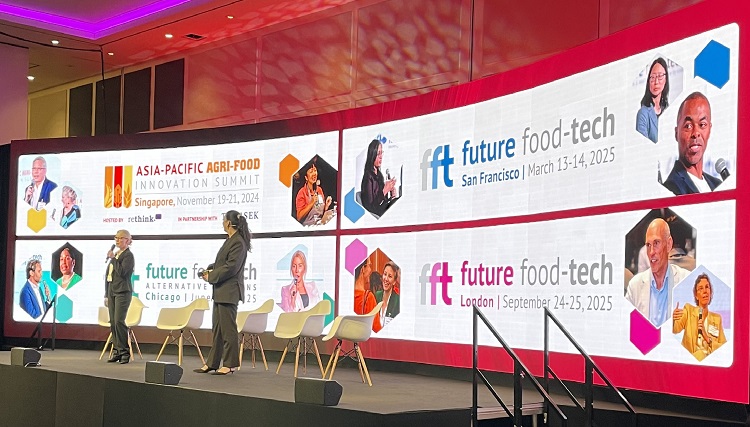
The Future of Food Technology: Unveiling 2025 Innovations and Beyond
The culinary landscape is on the cusp of a profound transformation, driven by relentless innovation in food technology. As we approach 2025, the advancements are no longer mere concepts but tangible realities reshaping how we produce, consume, and even perceive our food. This comprehensive guide delves into the groundbreaking 2025 innovations that promise to address pressing global challenges, from food security to environmental sustainability, offering a glimpse into a delicious, nutritious, and more efficient future. Understanding these shifts is crucial for consumers, businesses, and policymakers alike, as they herald a new era of culinary and agricultural evolution.
The Imperative Driving Food Tech Innovation
The urgency behind current food technology innovations is multifaceted. A rapidly growing global population demands more food, while climate change imposes severe constraints on traditional agricultural practices. Resource scarcity, particularly water and arable land, coupled with the environmental footprint of conventional farming, necessitates radical shifts. Moreover, consumer awareness regarding health, ethical sourcing, and environmental impact is at an all-time high, fueling demand for sustainable and transparent food systems. These converging factors create a fertile ground for breakthroughs in agri-food technology, pushing the boundaries of what's possible.
By 2025, we anticipate significant strides in areas designed to mitigate these pressures. The focus isn't just on increasing yield but on creating food systems that are resilient, equitable, and environmentally benign. This involves a holistic approach, integrating advanced biotechnologies, data science, and novel production methods. The goal is to decouple food production from resource depletion and environmental degradation, paving the way for a truly sustainable food system.
Pioneering Alternative Protein Sources
Perhaps one of the most visible and impactful areas of food technology in 2025 will be the proliferation of alternative protein sources. Driven by concerns over animal welfare, health, and environmental impact, these innovations are moving beyond niche markets into mainstream acceptance.
- Plant-Based Proteins: While plant-based meats, dairy, and eggs are already commonplace, 2025 will see an explosion in their sophistication and variety. Expect next-generation products with improved taste, texture, and nutritional profiles, often leveraging advanced extrusion techniques and novel protein sources like fungi (mycoprotein) or microalgae. Companies are investing heavily in research and development to mimic the sensory experience of traditional animal products even more closely.
- Cellular Agriculture (Cultivated Meat): This revolutionary approach involves growing meat directly from animal cells, without the need for raising and slaughtering livestock. By 2025, several cultivated meat and seafood products are expected to achieve regulatory approval in more regions and begin limited commercial production, moving from laboratories to specialized restaurants and, eventually, retail shelves. The scalability and cost-efficiency of cellular agriculture will be key areas of focus.
- Precision Fermentation: This technique uses microorganisms (like yeast or bacteria) as "micro-factories" to produce specific proteins, fats, or flavors found in traditional animal products. Think of it as brewing milk proteins or egg whites without the cow or chicken. By 2025, ingredients derived from precision fermentation will be increasingly integrated into various food products, enhancing their functionality, taste, and nutritional value, and providing sustainable alternatives to traditional ingredients.
Revolutionizing Agriculture: Beyond Traditional Farming
The way we grow our food is undergoing a radical transformation, moving towards more controlled, efficient, and localized systems. These innovations are critical for enhancing food security and reducing the environmental footprint of agriculture.
- Vertical Farming: Indoor farms, often multistoried, that grow crops in vertically stacked layers using controlled environments. By 2025, vertical farming operations will be more widespread, especially in urban centers, supplying fresh, locally grown produce with significantly less water and land than conventional methods. Automation, LED lighting optimization, and advanced hydroponic/aeroponic systems will continue to drive down operational costs and improve yields.
- Controlled Environment Agriculture (CEA): Encompassing vertical farms, greenhouses, and other indoor systems, CEA leverages technology to precisely manage temperature, humidity, light, and nutrient delivery. This leads to higher yields, reduced water usage, and protection from adverse weather conditions. Expect greater integration of AI and IoT for predictive analytics and automated management in CEA facilities by 2025.
- Precision Agriculture and Robotics: On traditional farms, drones, AI-powered sensors, and robotic systems will become more prevalent. These technologies enable farmers to monitor crop health, soil conditions, and pest infestations with unprecedented accuracy, leading to optimized resource use (water, fertilizers, pesticides) and increased efficiency. Autonomous tractors and harvesting robots will also see wider adoption, addressing labor shortages and improving operational effectiveness.
Personalized Nutrition: Tailoring Our Diets
The concept of a one-size-fits-all diet is rapidly becoming obsolete. By 2025, advancements in genomics, wearables, and data analytics will enable increasingly sophisticated personalized nutrition solutions, moving from general dietary advice to highly individualized recommendations.
This emerging field leverages an individual's unique biological data – including their DNA, gut microbiome, metabolic responses, and even activity levels – to provide tailored dietary guidance. Imagine a future where your smart refrigerator suggests meals based on your current health data and genetic predispositions, or where food products are custom-formulated to meet your precise nutritional needs.
- Genomic and Microbiome Analysis: Affordable and accessible at-home testing kits will provide insights into an individual's genetic predispositions and gut microbiome composition, influencing dietary recommendations for better health outcomes and disease prevention.
- Wearable Tech Integration: Smartwatches and other wearables will continuously monitor biometric data (blood glucose, sleep patterns, activity levels) providing real-time feedback that can be integrated with dietary apps to adjust food intake recommendations dynamically.
- AI-Driven Meal Planning: Artificial intelligence will analyze vast amounts of data – from individual health metrics to food availability and preferences – to generate highly customized meal plans and recipes, optimizing for health, taste, and sustainability. This will make AI in food a central pillar of future dietary management.
The implications for health and wellness are enormous, offering proactive strategies for managing chronic diseases and optimizing athletic performance, making dietary choices more intuitive and effective.
Smart Food Systems and Supply Chain Optimization
Beyond production, the entire food supply chain is being re-engineered for greater efficiency, transparency, and resilience. Smart kitchens and advanced logistics will play a pivotal role.
The integration of the Internet of Things (IoT), blockchain, and advanced analytics will create a more connected and intelligent food ecosystem. This means better traceability of food products from farm to fork, reducing fraud and ensuring food safety. Consumers will have unprecedented access to information about their food's origin, journey, and environmental impact.
- Blockchain for Traceability: Distributed ledger technology will provide immutable records of food products at every stage of the supply chain, enhancing transparency, accountability, and enabling rapid recall in case of contamination.
- IoT Sensors and AI in Logistics: Sensors monitoring temperature, humidity, and location will be ubiquitous in food transportation, ensuring optimal conditions and reducing spoilage. AI algorithms will optimize delivery routes and inventory management, minimizing waste and improving freshness.
- Smart Kitchen Appliances: In our homes, appliances will become more intelligent, capable of tracking inventory, suggesting recipes based on available ingredients, and even monitoring food freshness. These smart kitchens will play a role in reducing household food waste and promoting healthier eating habits.
Combating Food Waste with Technology
Food waste is a monumental global problem, contributing to environmental degradation and economic loss. By 2025, food waste reduction will be a primary target for technological innovation across the entire value chain.
From advanced packaging solutions to intelligent inventory management, technology offers powerful tools to minimize spoilage and maximize resource utilization.
- Advanced Packaging: Innovations in packaging materials, such as edible coatings, active packaging (which absorbs oxygen or releases antimicrobials), and smart labels that indicate freshness, will extend shelf life and reduce spoilage.
- Upcycling Food By-products: Technologies for transforming food waste or by-products into valuable new ingredients or products will gain traction. This includes using fruit and vegetable scraps for new snacks or turning spent grain from breweries into flour.
- AI-Powered Inventory Management: Restaurants, retailers, and even homes will increasingly use AI to predict demand and manage inventory more precisely, reducing overstocking and subsequent waste. Apps and platforms connecting surplus food with charities or consumers will also expand.
These efforts are not just about efficiency; they are fundamental to creating a more ethical and sustainable global food system, addressing both economic and environmental concerns.
Ethical and Environmental Considerations in Food Tech
As food technology advances, so too does the scrutiny regarding its ethical implications and long-term environmental impact. Innovations like gene editing (e.g., CRISPR for food applications) for enhanced crop resilience or nutritional content, while promising, raise questions about consumer acceptance and regulatory frameworks.
The debate around genetically modified organisms (GMOs) has evolved, with newer gene-editing techniques offering more precise and subtle modifications. By 2025, public discourse and regulatory bodies will be grappling with how to best integrate these powerful tools into the food supply while ensuring safety and transparency. The focus will be on communicating the benefits, such as improved disease resistance in crops or enhanced nutrient profiles, while addressing public concerns.
Furthermore, the environmental footprint of these new technologies themselves is under constant evaluation. While alternative proteins and vertical farming promise reduced land and water usage, their energy consumption and the waste streams they generate must also be carefully managed. The goal is to ensure that the solutions to one set of problems don't inadvertently create another, maintaining a holistic view of food sustainability.
Actionable Tips for Businesses and Consumers
For businesses, staying ahead in the rapidly evolving food technology landscape means embracing innovation. Invest in R&D, explore partnerships with food tech startups, and adapt your supply chains to incorporate new efficiencies. Consider integrating sustainable practices and transparent sourcing to meet evolving consumer demands. For instance, exploring the use of sustainable packaging solutions or investing in local controlled environment agriculture for fresh produce can offer significant competitive advantages.
For consumers, the future of food offers exciting choices. Be open to trying new products, from plant-based alternatives to cultivated meats. Educate yourself on the benefits and challenges of emerging food technologies. Support companies committed to ethical and sustainable practices. By making informed choices, you can actively contribute to shaping a better, more resilient food system for everyone.
Frequently Asked Questions
What is the main driver behind food technology innovations by 2025?
The primary drivers behind food technology innovations by 2025 are global population growth, climate change, resource scarcity (especially water and land), and increasing consumer demand for sustainable, healthy, and ethically produced food. These factors necessitate more efficient, resilient, and environmentally friendly food production and distribution systems.
How will personalized nutrition impact our daily lives by 2025?
By 2025, personalized nutrition will become significantly more accessible and sophisticated. It will leverage individual genomic data, gut microbiome analysis, and real-time biometric feedback from wearables to offer highly tailored dietary recommendations. This means more customized meal plans, nutrient-optimized food products, and proactive health management strategies that move beyond generic dietary advice, potentially transforming how we approach diet and wellness.
Are alternative proteins truly sustainable for the future of food?
Yes, alternative proteins, including plant-based, cultivated meat (cellular agriculture), and precision fermentation-derived ingredients, offer significant sustainability advantages compared to conventional animal agriculture. They generally require less land, water, and emit fewer greenhouse gases. While challenges remain in scaling production and reducing energy consumption for some methods, their potential to alleviate environmental pressures and enhance food security positions them as crucial components of a sustainable food future.
What role does AI play in the future of food technology?
Artificial intelligence (AI) is a transformative force across the entire food value chain. In food technology, AI optimizes agricultural practices through precision farming, enhances supply chain efficiency and traceability, improves food safety, and enables hyper-personalized nutrition. From predictive analytics for crop yields to intelligent inventory management in smart kitchens and automated food processing, AI is central to creating a more efficient, sustainable, and responsive food system by 2025 and beyond.

0 Komentar