
The Future of High-Speed Rail Networks 2025: A Deep Dive into Next-Gen Mobility
The landscape of global transportation is on the cusp of a profound transformation, with high-speed rail networks poised to redefine intercity travel by 2025 and beyond. As an SEO expert, I understand the critical importance of understanding emerging trends that shape our world, and the evolution of rapid transit is undoubtedly one of the most compelling. This comprehensive guide delves into the imminent advancements, technological breakthroughs, and strategic expansions that will characterize the future of high-speed rail networks 2025, offering unparalleled insights into what promises to be a golden age for sustainable and efficient ground transportation. Prepare to explore how these sophisticated systems will not only shrink distances but also profoundly impact economic development, urban mobility, and environmental sustainability.
The Evolving Landscape of High-Speed Rail: Foundations for 2025
The journey towards a more connected and efficient world is significantly propelled by the relentless innovation in rail technology. By 2025, high-speed rail (HSR) will no longer be a niche mode of transport but a mainstream backbone for global connectivity. Countries worldwide are investing heavily in new lines and upgrading existing infrastructure, driven by a dual imperative: the urgent need for sustainable transport solutions and the increasing demand for quicker, more comfortable intercity travel. This period marks a pivotal shift from merely faster trains to integrated, intelligent rail ecosystems.
Technological Leaps Driving HSR Evolution
The advancements underpinning the future of high-speed rail networks 2025 are multifaceted, extending far beyond raw speed. They encompass a blend of engineering marvels and digital innovation:
- Next-Generation Rolling Stock: Expect lighter, more aerodynamic trains engineered for greater energy efficiency and reduced noise. Materials like carbon fiber composites will become standard, contributing to higher speeds and lower operational costs. Innovations in bogie design and active suspension systems will ensure smoother rides, even at speeds exceeding 350 km/h.
- Advanced Propulsion Systems: While conventional electric traction remains dominant, research into alternative and more efficient power sources is intensifying. We may see early applications of hydrogen fuel cells or advanced battery systems for shorter, non-electrified routes, contributing to a truly green rail network.
- Maglev Technology: While not universally adopted due to high infrastructure costs, Maglev trains, particularly in countries like Japan (Chuo Shinkansen) and China (Shanghai Maglev), will continue to push the boundaries of speed. By 2025, test phases for new Maglev lines capable of 500-600 km/h will be well underway, demonstrating their potential for ultra-long-distance corridors where air travel is less efficient.
- Digital Transformation and AI Integration: This is perhaps the most transformative aspect.
- Predictive Maintenance: AI-powered systems will monitor train components and track infrastructure in real-time, predicting failures before they occur. This dramatically reduces downtime, enhances safety, and optimizes maintenance schedules.
- Autonomous Rail Systems: While fully driverless HSR might not be widespread by 2025, increased automation in signaling, braking, and operational control will be standard, leading to higher capacities and reduced human error.
- Smart Ticketing and Passenger Information: Seamless digital platforms will offer personalized travel planning, real-time updates, and integrated last-mile solutions, enhancing the overall passenger experience.
Network Expansion and Global Connectivity by 2025
The geographical reach of high-speed rail is set to expand significantly, creating new economic corridors and fostering greater international collaboration. Infrastructure development remains a cornerstone of national and regional growth strategies, with HSR at the forefront.
Key Regional Developments
- Asia's Dominance: China will continue to lead in network length and technological prowess, with further expansion into its western provinces and potential cross-border connections. Japan's Shinkansen network will see upgrades and new lines, while South Korea, Taiwan, and potentially Southeast Asian nations like Thailand and Malaysia will strengthen their HSR commitments. The vision of a pan-Asian rail network, while long-term, will see significant foundational progress by 2025.
- Europe's Integrated Network: Europe's high-speed rail map is already extensive, but 2025 will see crucial links completed, particularly within the Trans-European Transport Network (TEN-T). This includes new lines connecting major capitals, reducing travel times between economic hubs, and enhancing cross-border fluidity. Countries like France, Spain, Germany, and Italy will continue to invest, alongside Eastern European nations initiating or expanding their HSR plans. This integration is vital for global connectivity and reducing short-haul flights.
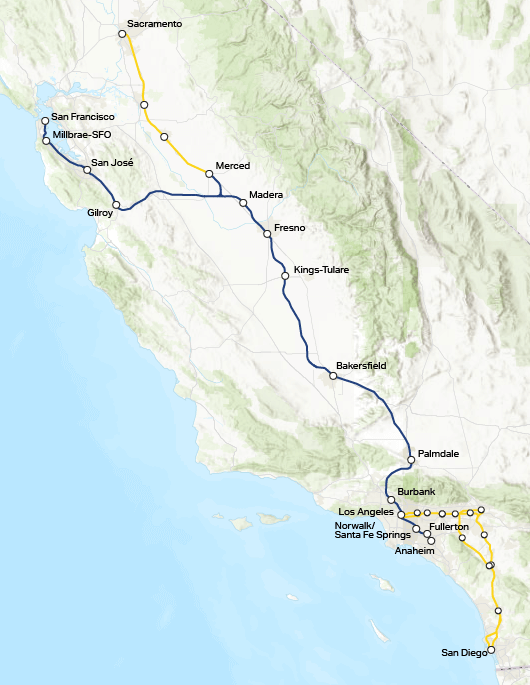
- North America's Awakening: While lagging behind Asia and Europe, North America is finally embracing HSR. California's high-speed rail project will continue its phased construction, and other initiatives like Brightline in Florida and potential corridors in the Northeast and Texas will demonstrate the viability and demand for high-speed rail in the region. By 2025, these projects will be crucial testaments to the continent's commitment to modern rail infrastructure.
- Emerging Markets: Nations in the Middle East (e.g., Saudi Arabia's Haramain HSR), Africa, and South America are also exploring or implementing HSR projects, recognizing its potential for economic impact and regional development.
The Passenger Experience: Seamless Travel and Beyond
The future of high-speed rail networks 2025 is not just about speed; it's about delivering an unparalleled passenger experience. Rail operators are focusing on comfort, connectivity, and convenience to make HSR the preferred mode of travel.
- Enhanced Onboard Amenities: Expect superior Wi-Fi connectivity, ample power outlets, ergonomic seating, and diverse catering options. Some trains may feature dedicated co-working spaces, entertainment zones, or even VR experiences.
- Integrated Mobility Solutions: HSR stations will evolve into true multimodal hubs, seamlessly connecting passengers to local public transport, ride-sharing services, and even electric scooter rentals. This focus on first-mile/last-mile solutions is crucial for true urban mobility.
- Personalized Services: AI and big data will enable customized travel recommendations, dynamic pricing, and proactive service updates, ensuring a smooth and personalized journey from booking to destination. Imagine receiving real-time alerts about connecting transport options or personalized dining suggestions based on your preferences.
High-Speed Rail's Role in Sustainable Development
One of the most compelling arguments for investing in HSR is its significant contribution to sustainability. By 2025, its role in mitigating climate change will be more pronounced than ever.
- Reduced Carbon Footprint: HSR is inherently more energy-efficient per passenger-kilometer than air or road transport, especially when powered by renewable energy sources. The shift from short-haul flights to HSR will lead to substantial reductions in CO2 emissions, offering significant environmental benefits.
- Land Use Efficiency: High-speed rail lines occupy less land per passenger moved compared to highways or airports, making them a more sustainable choice for dense urban corridors.
- Catalyst for Smart Cities: HSR stations often act as anchors for new urban development, fostering the growth of smart cities around them. These developments are typically designed with sustainability in mind, promoting mixed-use zoning, public transport integration, and green building practices.
Governments and urban planners are increasingly leveraging HSR projects not just for transport, but as tools for regional planning and sustainable growth. This strategic alignment underscores the long-term vision for modern transportation.
Challenges and Opportunities in the Next Decade
While the future of high-speed rail is bright, significant challenges must be addressed to unlock its full potential. These include substantial upfront capital costs, complex land acquisition processes, and the need for international standardization.
- Funding Models: Innovative financing models, including public-private partnerships (PPPs) and green bonds, will be crucial to fund the massive investments required. Governments will need to demonstrate long-term political will and stable regulatory environments to attract private capital.
- Regulatory Harmonization: For seamless international travel, particularly in Europe and Asia, greater standardization of signaling systems, operational protocols, and safety regulations is essential. This requires ongoing diplomatic efforts and technical collaboration.
- Integration with Emerging Technologies: The rise of Hyperloop technology, while still nascent, represents a potential future competitor or complementary system. HSR networks must remain adaptable and open to integrating or learning from such innovations to maintain their relevance.
Despite these hurdles, the opportunities presented by HSR are immense. It offers a pathway to decongested roads and skies, more balanced regional development, and a significant step towards global climate goals. The focus will be on efficient project management, cost-effective construction techniques, and maximizing the socio-economic benefits.
Actionable Insights for Stakeholders
For governments, investors, and urban planners looking to capitalize on the future of high-speed rail networks 2025, several key strategies stand out:
- Prioritize Integrated Planning: Do not view HSR in isolation. Integrate it with urban development plans, existing public transport networks, and freight logistics to maximize its utility and economic impact. Consider how HSR can support the growth of new economic zones or alleviate pressure on existing congested areas.
- Foster Public-Private Partnerships: Leverage private sector expertise and capital. Develop transparent and attractive regulatory frameworks that encourage long-term investment, sharing both risks and rewards.
- Invest in Digital Infrastructure: Beyond tracks and trains, robust digital infrastructure for operations, ticketing, and passenger services is paramount. Embrace AI, IoT, and big data analytics for predictive maintenance, operational efficiency, and enhanced passenger experience.
- Emphasize Sustainability: Position HSR as a cornerstone of national climate action plans. Secure funding from green finance initiatives and promote its environmental benefits to gain public and political support.
- Global Collaboration: Engage in international forums and partnerships to share best practices, standardize technologies, and explore cross-border projects. This is crucial for building truly interconnected networks.
By focusing on these areas, stakeholders can ensure that high-speed rail truly fulfills its promise as a transformative force in the coming years.
Frequently Asked Questions
What is the primary driver for the expansion of high-speed rail networks by 2025?
The primary driver for the expansion of high-speed rail networks by 2025 is a dual need for more efficient and sustainable transport options. Governments and populations are increasingly seeking alternatives to carbon-intensive air and road travel, while also demanding faster and more reliable connections between major urban centers. This push for reduced travel times, coupled with a strong focus on environmental benefits and regional economic development, is accelerating investment in new lines and upgrading existing infrastructure globally.
How will AI and digital transformation impact the passenger experience on high-speed trains?
AI and digital transformation will profoundly enhance the passenger experience on high-speed trains by 2025. This includes seamless, personalized booking processes, real-time updates on travel and connections, and predictive services that anticipate passenger needs. Onboard, AI will enable superior connectivity, personalized entertainment, and potentially even dynamic climate control. For operators, AI will optimize scheduling and maintenance, leading to fewer delays and a more reliable service, directly benefiting the traveler.
Are Maglev trains expected to become widespread by 2025?
While Maglev trains represent the pinnacle of high-speed rail technology, they are not expected to become widespread globally by 2025. Their extremely high construction costs for dedicated infrastructure remain a significant barrier. However, by 2025, we anticipate continued progress in key pioneering regions like Japan (with its Chuo Shinkansen) and China (expanding its Maglev research and potential applications). These projects will serve as crucial testbeds, demonstrating the technology's potential for specific, high-demand corridors, but widespread adoption will likely extend beyond the 2025 horizon.
What role will high-speed rail play in achieving climate goals by 2025?
By 2025, high-speed rail will play an increasingly critical role in achieving global climate goals. As a significantly lower-emission alternative to short-haul flights and long-distance road travel, HSR helps reduce overall carbon footprints. When powered by renewable energy, its environmental benefits are even more pronounced. The continued expansion and electrification of HSR networks will contribute directly to national and international targets for reducing greenhouse gas emissions, making it a cornerstone of sustainable transport strategies.

0 Komentar