
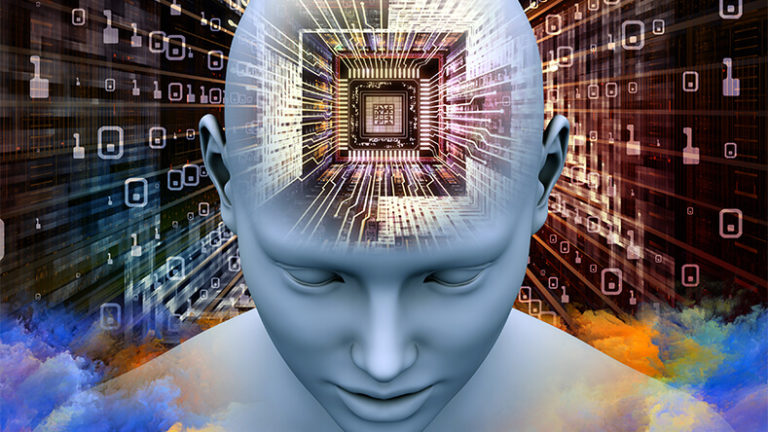
The Future of Neural Implants for Communication 2025: Bridging Minds and Machines
The dawn of an unprecedented era in human-computer interaction is upon us, and at its heart lies the transformative potential of neural implants for communication. By 2025, we anticipate significant strides in how we interact with technology and each other, moving beyond traditional interfaces to a realm where thoughts might directly translate into action or speech. This comprehensive guide explores the imminent advancements, practical applications, and critical considerations shaping the landscape of direct neural communication, offering a deep dive into what the near future holds for this groundbreaking neurotechnology.
Decoding Thought: The Evolution of Brain-Computer Interfaces (BCI)
For decades, the concept of directly communicating with machines using only our minds seemed confined to science fiction. However, relentless innovation in brain-computer interface (BCI) technology has rapidly propelled this vision into a tangible reality. Early BCIs, often non-invasive, focused on rudimentary control of prosthetics or cursors. Yet, the true leap in high-fidelity communication lies within invasive neural implants – devices surgically placed within the brain to record and stimulate neural activity with unparalleled precision.
By 2025, the focus isn't just on controlling external devices, but on enabling more nuanced and natural forms of communication. We're talking about the ability to generate speech from imagined words, send text messages with a thought, or even, in nascent stages, facilitate a form of telepathic communication between individuals equipped with compatible implants. The underlying principle involves sophisticated algorithms that can interpret complex brain signals, translating them into actionable commands or intelligible output. This involves a synergy of advanced neuroscience, artificial intelligence, and cutting-edge materials science, all converging to redefine the very essence of human interaction.
Key Technological Drivers for 2025 Advancement
- Miniaturization and Biocompatibility: Implants are becoming smaller, more flexible, and designed for long-term integration with neural tissue, minimizing rejection and maximizing signal stability. Innovations in materials science are crucial here.
- Enhanced Signal Processing and AI: Machine learning algorithms, particularly deep neural networks, are becoming incredibly adept at discerning subtle patterns in brain activity, significantly improving the accuracy and speed of thought-to-text or thought-to-speech translation.
- Wireless Power and Data Transfer: Moving away from wired connections enhances user comfort and reduces infection risks, making long-term use more feasible. This is critical for practical, everyday applications of neural communication devices.
- Multi-Modal Integration: Future implants will likely integrate with other sensing technologies, allowing for a richer dataset and more robust communication capabilities, from visual input to motor commands.
Transformative Applications: Communication Beyond the Spoken Word
The immediate and most profound impact of advanced neural implants for communication will be felt by individuals living with severe motor and speech impairments. For those suffering from conditions like ALS, locked-in syndrome, or severe strokes, direct neural communication offers a lifeline, restoring their ability to express themselves, connect with loved ones, and interact with the world around them.
Restoring Voice and Connection
Imagine a patient with locked-in syndrome, currently relying on slow, eye-gaze communication, suddenly able to type at speeds approaching natural speech, or even generate synthetic speech directly from their thoughts. This isn't distant fantasy; prototypes and early clinical trials are already demonstrating this potential. By 2025, we anticipate refined systems that offer:
- High-Fidelity Speech Synthesis: Translating imagined speech or even intended movements of the vocal cords into natural-sounding spoken words. This goes beyond simple word selection to capturing prosody and intonation.
- Rapid Text Generation: Allowing users to compose emails, messages, or documents at speeds comparable to proficient typists, using only their thoughts. This greatly enhances their independence and productivity.
- Direct Device Control: Navigating complex computer interfaces, controlling smart home devices, or operating robotic assistance purely through neural commands, freeing up physical interaction.
This assistive communication paradigm represents a monumental shift, empowering individuals to regain autonomy and participate more fully in society. It's a testament to the ethical imperative driving much of the research in neuroprosthetics.
Beyond Assistive: Augmenting Human-Computer Interaction
While assistive applications are paramount, the ripples of neural implants for communication will extend into broader human-computer interaction. Consider a future where:
- Seamless VR/AR Interaction: Navigating virtual environments or interacting with augmented reality elements purely with mental commands, eliminating the need for controllers or gestures. This creates truly immersive digital experiences.
- Enhanced Productivity: Professionals could draft complex documents, execute software commands, or conduct data analysis simply by thinking them, drastically improving efficiency in various industries.
- Direct Brain-to-Device Control: Imagine surgeons manipulating robotic instruments with unparalleled precision, or pilots controlling aircraft interfaces through direct thought, reducing cognitive load and reaction times.
These applications, while perhaps not mainstream by 2025, will likely be in advanced pilot programs or niche professional settings, paving the way for wider adoption in the subsequent years. The focus will be on highly specialized tasks where the benefits of direct thought control significantly outweigh the invasiveness of the procedure.
Navigating the Ethical and Regulatory Landscape by 2025
As with any transformative technology, the rapid advancement of neural implants for communication brings forth a complex web of ethical, societal, and regulatory challenges. By 2025, these discussions will intensify, shaping the trajectory of development and adoption.
Privacy, Security, and Cognitive Liberty
The most immediate concerns revolve around data privacy and security. If our thoughts can be decoded, what protections are in place to prevent unauthorized access or misuse of this incredibly sensitive information? The concept of cognitive liberty – the right to mental privacy and self-determination – becomes critically important. Developers and policymakers must collaborate to establish robust frameworks that:
- Ensure Data Encryption: Strict protocols for encrypting and securing neural data are paramount.
- Mandate User Consent: Clear, informed consent processes for data collection and usage must be standardized.
- Prevent Misuse: Safeguards against using neural data for marketing, surveillance, or coercive purposes.
The regulatory landscape will likely be in its formative stages by 2025, with early guidelines emerging from pioneering nations and international bodies. Expect robust debates around ownership of neural data and the legal implications of thought-based communication.
Accessibility and Equity
Another critical consideration is equitable access. Will these life-changing technologies be available only to the wealthy, or will healthcare systems and public initiatives ensure broader availability, particularly for those with medical needs? Addressing this disparity will be crucial to prevent the creation of a "neuro-divide."
The Human Element: Identity and Integration
As humans become more integrated with machines, questions about identity, agency, and the very definition of "human" will arise. While these are long-term philosophical debates, by 2025, initial discussions will begin on the psychological impacts of constant, direct neural connectivity and how individuals adapt to these new forms of interaction. The focus will remain on therapeutic and assistive applications, which inherently carry a stronger ethical justification.
The Road Ahead: Research, Investment, and Interdisciplinary Collaboration
The rapid progress in neural implants for communication is a testament to significant investment in research and development. Governments, private companies, and academic institutions are pouring resources into understanding the brain, refining implantable technologies, and developing sophisticated decoding algorithms. The journey to 2025 and beyond will be characterized by:
Accelerated Clinical Trials and Regulatory Pathways
More clinical trials will be underway, expanding the pool of patients benefiting from these devices and providing invaluable data for further refinement. Regulatory bodies like the FDA will likely streamline approval processes for safe and effective devices, while maintaining rigorous oversight. This balance between innovation and safety is crucial for public trust and widespread adoption.
Interdisciplinary Convergence
The future of neurotechnology hinges on continued collaboration between diverse fields:
- Neuroscience: Deeper understanding of brain function and neural codes.
- Engineering: Development of advanced, biocompatible hardware and wireless systems.
- Artificial Intelligence: Sophisticated algorithms for real-time signal decoding and interpretation.
- Ethics and Law: Establishing frameworks for responsible development and deployment.
- Psychology: Understanding the human experience and adaptation to neural interfaces.
This cross-pollination of expertise is what will drive the most significant breakthroughs in direct brain communication over the next few years.
Actionable Insights and Practical Advice for Stakeholders
For individuals and organizations looking to understand or engage with the future of neural implants for communication by 2025, here are some actionable insights:
For Researchers and Developers:
- Prioritize Biocompatibility and Longevity: Focus on materials and designs that ensure long-term safety and stable signal acquisition, minimizing the need for revision surgeries.
- Enhance Decoding Algorithms: Invest heavily in AI and machine learning to improve the accuracy, speed, and naturalness of communication output, especially for complex thoughts and emotions.
- Collaborate Ethically: Engage with ethicists, legal experts, and patient advocacy groups from the outset to build responsible technologies that address societal concerns proactively.
- Focus on User Experience: Design intuitive interfaces and systems that are easy for patients and caregivers to manage, ensuring the technology genuinely enhances quality of life.
For Policymakers and Regulators:
- Develop Adaptive Regulatory Frameworks: Create agile policies that can keep pace with rapid technological advancements while ensuring patient safety and data privacy.
- Foster International Collaboration: Work with global partners to harmonize standards and address ethical considerations that transcend national borders.
- Invest in Public Education: Launch initiatives to inform the public about the benefits and risks of neural implants, building trust and dispelling misconceptions.
For the Public and Potential Users:
- Stay Informed: Follow reputable scientific sources and news outlets for updates on clinical trials and technological breakthroughs.
- Engage in Discussion: Participate in public forums and discussions about the ethical implications of these technologies.
- Advocate for Accessibility: Support policies and initiatives that aim to make these transformative technologies accessible to all who can benefit.
The journey towards widespread direct neural communication is complex but incredibly promising. By 2025, we will be closer than ever to a future where thought is a direct interface, fundamentally reshaping how we connect, communicate, and interact with the digital and physical worlds.
Frequently Asked Questions
What is the primary goal of neural implants for communication by 2025?
The primary goal of neural implants for communication by 2025 is to enable direct, thought-controlled communication, especially for individuals with severe motor and speech impairments. This includes translating imagined speech or mental commands into text, synthesized voice, or direct control of external devices. The emphasis is on restoring and augmenting communication capabilities, leveraging advancements in brain-computer interfaces (BCI) and artificial intelligence.
How will brain-computer interface (BCI) technology evolve for communication purposes in the near future?
By 2025, BCI technology for communication will evolve significantly through enhanced miniaturization, improved biocompatibility for long-term implantation, and more sophisticated AI algorithms capable of decoding complex neural signals with higher accuracy and speed. We'll see a move towards wireless systems and multi-modal integration, making these devices more practical and intuitive for real-world applications in direct brain communication.
What are the main ethical concerns surrounding neural implants for communication?
The main ethical concerns surrounding neural implants for communication include data privacy and security of neural information, the concept of cognitive liberty (the right to mental autonomy and privacy), and ensuring equitable access to these advanced technologies. There are also ongoing discussions about the potential for misuse of neural data, the psychological impact on users, and the long-term societal implications of direct thought interfaces.
Will neural implants replace traditional communication methods by 2025?
No, it is highly unlikely that neural implants for communication will replace traditional methods by 2025. By this time, their primary application will remain focused on therapeutic uses for individuals with severe communication disabilities, and potentially niche professional applications. While the technology will be more advanced, widespread adoption for the general public is a much longer-term prospect, due to factors like invasiveness, cost, and ongoing ethical considerations. Traditional methods will remain dominant.

0 Komentar