
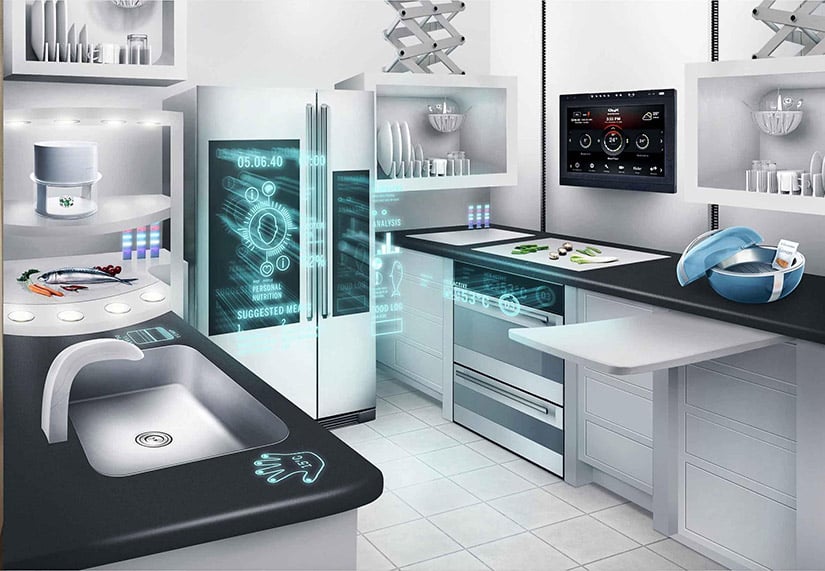
The Future of Smart Appliances in 2025: A Deep Dive into Connected Living
The landscape of our homes is undergoing a profound transformation, driven by the relentless pace of technological innovation. By 2025, smart appliances will no longer be niche luxury items but integral components of a truly connected and intuitive living environment. This comprehensive guide explores the exciting future of smart appliances in 2025, delving into the advancements in artificial intelligence, seamless interoperability, and hyper-personalization that promise to redefine convenience, efficiency, and well-being. Prepare to discover how these intelligent devices will anticipate your needs, optimize your routines, and contribute to a more sustainable and secure home, making your daily life effortlessly streamlined.
The Evolution of Smart Appliances: Where We Are Now
To truly grasp the trajectory towards 2025, it's essential to understand the journey smart appliances have taken. From rudimentary remote-controlled devices to the current generation of IoT-connected appliances, we've witnessed significant progress. Early smart home technology often suffered from fragmentation, with devices from different manufacturers struggling to communicate effectively. However, the rise of powerful voice assistants like Amazon Alexa and Google Assistant, coupled with the increasing ubiquity of Wi-Fi and Bluetooth, paved the way for more integrated experiences. Today, we see refrigerators that track inventory, washing machines that optimize cycles based on fabric type, and ovens that can be preheated remotely. Yet, these often operate in silos or within limited ecosystems. The vision for 2025 is far more ambitious: a truly cohesive and intelligent home where every appliance works in concert to serve the homeowner proactively.
The foundation laid by current smart home technology, including improved user interfaces and more robust cloud infrastructure, is critical. Consumers are growing accustomed to the convenience offered by connected devices, setting the stage for even more sophisticated capabilities. The market is maturing, moving beyond novelty to genuine utility, with a growing emphasis on features that save time, reduce energy consumption, and enhance comfort. This shift in consumer expectation is a primary driver for the rapid advancements we anticipate in the coming years.
Key Trends Shaping Smart Appliances in 2025
The next few years will see several pivotal trends converge, propelling smart appliances into an era of unprecedented intelligence and integration. These trends are not just incremental improvements but fundamental shifts in how these devices function and interact with their environment.
Enhanced AI and Machine Learning for Predictive Intelligence
- Hyper-Personalization: By 2025, smart appliances will leverage advanced AI and machine learning algorithms to learn user habits, preferences, and even moods with remarkable accuracy. Your refrigerator won't just tell you when you're low on milk; it will suggest recipes based on available ingredients, your dietary restrictions, and even your past meal choices. A smart oven might preheat itself to the optimal temperature for your preferred brand of frozen pizza, simply by recognizing it. This level of personalized experiences will make interactions feel incredibly intuitive.
- Predictive Maintenance: Imagine your washing machine alerting you to a potential belt issue weeks before it fails, or your dishwasher ordering a specific cleaning tablet when it detects hard water buildup. AI will enable appliances to monitor their own performance, identify anomalies, and predict maintenance needs or potential breakdowns. This predictive maintenance capability will significantly extend appliance lifespan, reduce repair costs, and minimize inconvenient downtime, ensuring optimal performance at all times.
- Contextual Awareness: Appliances will become more aware of their surrounding environment and context. A smart air conditioner might not just adjust temperature based on a schedule, but also on the number of people in a room, external weather conditions, and even individual comfort preferences communicated through wearable devices. This smart home technology will move beyond simple automation to truly understanding and adapting to dynamic situations.
Seamless Interoperability and Ecosystem Integration
One of the biggest hurdles for current smart homes is the lack of universal communication standards. While progress has been made, true cross-device communication and a unified smart home platform remain aspirational for many. By 2025, initiatives like Matter (formerly Project CHIP) are expected to mature, providing a common language for smart devices regardless of manufacturer. This will enable a genuinely interconnected home where your smart lighting, thermostat, security system, and kitchen appliances can all seamlessly interact and be controlled from a single interface or voice command.
The focus will shift from individual smart gadgets to a cohesive appliance ecosystem. This means your smart refrigerator could communicate with your smart oven to preheat when you start meal prep, or your smart laundry system could coordinate with your energy provider to run cycles during off-peak hours for maximum energy efficiency. Vendor collaboration will be key, as manufacturers realize that open standards benefit the entire industry and, more importantly, the end-user experience.
Hyper-Personalization and Proactive Automation
Beyond simply reacting to commands, smart appliances in 2025 will be inherently proactive. Leveraging adaptive learning and advanced sensors, they will anticipate your needs based on your unique user habits and routines. For example, your smart coffee maker might start brewing your preferred blend at the perfect temperature moments before your alarm goes off, having learned your morning schedule. Your home's lighting could automatically adjust throughout the day, not just based on time, but also on natural light levels, your activities, and even your biometric data if integrated with wearables, creating a truly contextual awareness for optimal comfort and productivity.
This level of automation means less manual intervention and more seamless living. The goal is for the home to fade into the background, operating intelligently and efficiently without requiring constant attention. From kitchen automation that streamlines meal preparation to laundry innovations that manage fabric care and scheduling, the emphasis will be on reducing cognitive load for the homeowner.
Focus on Sustainability and Energy Efficiency
As environmental concerns grow, smart appliances will play a crucial role in fostering sustainable living. By 2025, we'll see a strong emphasis on eco-friendly appliances that not only conserve energy but also integrate with the broader energy grid. Smart energy management systems will allow appliances to communicate with utility providers, scheduling energy-intensive tasks like washing or charging electric vehicles during periods of lower demand or when renewable energy sources are abundant. This will not only reduce electricity bills but also contribute to a lower carbon footprint.
Features like precise temperature control in refrigerators to minimize spoilage, intelligent water usage in dishwashers, and adaptive power consumption in entertainment systems will become standard. Furthermore, appliances might offer detailed energy consumption reports, empowering users to make more informed decisions about their usage patterns. The convergence of smart technology and environmental responsibility will define a significant portion of the appliance market.
Advanced Health and Wellness Integration
The smart home of 2025 will extend its reach into personal health and wellness. Smart kitchen appliances might offer advanced nutritional tracking, analyzing the caloric and macro-nutrient content of meals prepared, or suggesting healthier alternatives. Smart air purifiers will not only monitor but actively improve air quality monitoring, adjusting filtration based on pollen counts, pollution levels, or even the presence of allergens detected in real-time. Smart beds could optimize sleep optimization by adjusting firmness, temperature, and even providing gentle wake-up routines based on sleep cycle analysis.
We may see smart mirrors offering skin analysis and personalized skincare recommendations, or smart scales seamlessly integrating with health apps to track fitness goals. The home environment will become a proactive partner in maintaining and improving occupant health, moving beyond basic comfort to genuine well-being. This convergence highlights the holistic approach to smart living that 2025 promises.
Overcoming Challenges: Security, Privacy, and Adoption
While the future of smart appliances is bright, several challenges must be addressed to ensure widespread adoption and consumer trust.
Bolstering Cybersecurity Measures
As more devices connect to the internet, the attack surface for cyber threats expands. By 2025, robust cybersecurity measures will be non-negotiable. This includes mandatory data encryption for all communications, secure boot processes, and frequent, over-the-air secure updates to patch vulnerability patches. Manufacturers will need to prioritize security by design, making it an integral part of the development process rather than an afterthought. Consumers will also need better education on best practices for securing their smart homes, such as strong password usage and understanding device permissions. The industry must work collaboratively to establish baseline security standards that instill confidence.
Navigating Data Privacy Concerns
The collection of personal data by smart appliances – from dietary habits to sleep patterns – raises significant data privacy concerns. By 2025, consumers will demand greater transparency regarding how their data is collected, used, and shared. Manufacturers will need to implement clear and concise transparent data policies, providing users with granular user control over data. Compliance with evolving data protection regulations, such as GDPR and CCPA, will be paramount. The industry will need to build trust by demonstrating a commitment to privacy, perhaps through anonymization of data or offering opt-in models for advanced features that require personal information.
Bridging the Digital Divide and Ensuring Accessibility
For smart appliances to truly transform daily life, they must be accessible to a broad demographic. This means addressing issues of affordability, ease of use, and connectivity in underserved areas. Manufacturers must focus on intuitive user interface (UI) and user experience (UX) design that caters to users of all technical proficiencies. The cost of smart technology needs to become more competitive, potentially through modular designs or subscription models for advanced features. Furthermore, ensuring reliable internet access in all regions is a foundational requirement for universal adoption of home automation and smart living concepts.
Actionable Tips for Embracing the Smart Home Future
Whether you're a consumer looking to upgrade your home or a manufacturer developing the next generation of devices, proactive steps are essential.
For Consumers:
- Research Compatibility: Before investing in new smart appliances, ensure they are compatible with your existing smart home ecosystem or plan to adopt a universal standard like Matter. This prevents fragmented experiences.
- Prioritize Security: Change default passwords, enable two-factor authentication, and keep device firmware updated. Understand the privacy policies of the devices you bring into your home. Explore our guide on Smart Home Security Best Practices for more detailed advice.
- Start Small, Then Expand: You don't need to automate your entire home overnight. Begin with a few key devices that offer immediate value (e.g., a smart thermostat or lighting) and gradually expand as you become more comfortable with the technology.
- Leverage Energy-Saving Features: Actively use the energy management features built into your smart appliances. Schedule high-energy tasks during off-peak hours and monitor your consumption to reduce your carbon footprint and save on bills.
For Manufacturers/Developers:
- Embrace Open Standards: Focus on developing devices that adhere to open communication protocols like Matter. This fosters interoperability, reduces consumer frustration, and accelerates market growth.
- Prioritize User Experience (UX): Design intuitive and seamless interfaces. The technology should be invisible, with the benefits being palpable. Focus on ease of setup, reliable performance, and simple troubleshooting.
- Build Robust Security: Integrate cybersecurity from the ground up. Regular security audits, secure update mechanisms, and transparent data handling policies are paramount for building and maintaining consumer trust.
- Focus on Value Beyond Novelty: While cool features are appealing, the long-term success lies in solving real-world problems. Emphasize energy savings, time efficiency, health benefits, and convenience.
The Impact on Daily Life: A Glimpse into 2025
By 2025, the impact of smart appliances on daily life will be transformative, moving beyond simple convenience to fundamentally altering how we interact with our living spaces. Your morning routine could start with your smart bed gently waking you during your lightest sleep cycle, simultaneously cueing your smart blinds to open, your coffee maker to brew, and your bathroom mirror to display the day's schedule and weather. As you leave for work, your home automatically enters an energy-saving mode, adjusting temperature, turning off lights, and arming the security system.
During the day, your smart refrigerator might reorder groceries based on your consumption patterns, or suggest a healthy dinner recipe based on available ingredients and your fitness goals. Your smart laundry system could detect the type of fabric you've put in, automatically select the optimal cycle, and even pre-treat stains. Upon your return, your home could proactively adjust lighting and temperature to your preferred settings, and perhaps even start dinner preparations if integrated with a smart oven or slow cooker. This level of home automation and smart living will free up significant time and mental energy, allowing individuals to focus on more meaningful activities.
The home will become a truly responsive and adaptive entity, not just a collection of static rooms. This comprehensive appliance ecosystem will learn, anticipate, and execute tasks with minimal human intervention, enhancing comfort, efficiency, and overall quality of life. The seamless integration of AI integration into every facet of home operation will make daily chores nearly disappear, transforming the concept of home into a truly intelligent sanctuary.
Frequently Asked Questions
What new smart appliances will be available in 2025?
By 2025, expect to see an expansion of AI-driven appliances with advanced predictive capabilities and hyper-personalization. This includes refrigerators with integrated dietary coaching, ovens that use computer vision for perfect cooking, washing machines with advanced fabric analysis and self-dosing detergents, and even smart sanitation devices. Beyond kitchen and laundry, intelligent air purification systems, smart beds for advanced sleep optimization, and integrated health monitoring devices will become more common, all contributing to a holistic smart living experience.
How will smart appliances improve energy efficiency?
Smart appliances in 2025 will significantly enhance energy efficiency through several mechanisms. They will leverage AI to optimize usage based on real-time electricity prices, grid demand, and renewable energy availability. Features like precise temperature control, adaptive power consumption based on load or occupancy, and integration with smart meters will allow devices to minimize energy waste. Users will also have access to detailed consumption data and personalized recommendations to reduce their carbon footprint, making smart homes key to sustainable living.
Are smart appliances truly secure?
The security of smart appliances is a critical focus for 2025. While no system is 100% impervious, manufacturers are investing heavily in robust cybersecurity measures. This includes end-to-end data encryption, secure boot processes, mandatory firmware updates to patch vulnerability patches, and more secure authentication protocols. The industry is moving towards standardized security frameworks to ensure a baseline level of protection. However, users also play a crucial role by using strong, unique passwords and staying informed about best practices for home automation security.
Will smart appliances be affordable for everyone by 2025?
The trend indicates that while cutting-edge smart appliances will remain premium, the cost of entry-level and mid-range connected devices will continue to decrease. Increased competition, economies of scale, and advancements in manufacturing processes will make smart technology more accessible. Basic smart features will likely become standard in many appliance categories, ensuring that the benefits of IoT appliances are available to a wider demographic, bridging the digital divide over time.
How will AI transform smart home devices beyond basic automation?
AI will transform smart home devices beyond basic automation by enabling true intelligence and proactivity. Instead of just following pre-set rules, AI will allow devices to learn user habits, anticipate needs, and adapt to dynamic environmental factors. This means personalized experiences that evolve over time, predictive maintenance to prevent breakdowns, and contextual awareness that allows appliances to make intelligent decisions without explicit commands. AI will facilitate seamless interoperability between devices, creating a truly unified and intuitive appliance ecosystem that enhances overall user experience (UX).

0 Komentar