
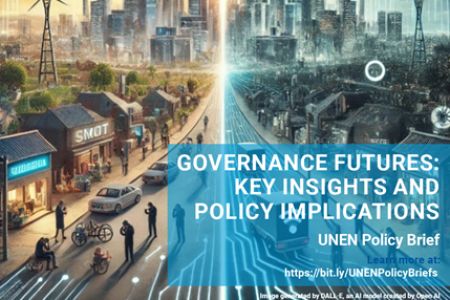
The Future of Smart City Governance Models 2025: Navigating Digital Transformation and Citizen Engagement
The dawn of 2025 marks a pivotal moment for urban centers worldwide, as the concept of the smart city rapidly evolves from theoretical blueprint to tangible reality. Central to this evolution is the fundamental question of governance – how will cities effectively manage and optimize their increasingly interconnected and data-rich environments? This comprehensive article delves into the transformative landscape of smart city governance models 2025, exploring the innovative frameworks, technological integrations, and participatory approaches vital for creating resilient, efficient, and truly citizen-centric urban spaces. We will uncover the critical shifts required in urban planning, regulatory frameworks, and public-private partnerships to harness the full potential of digital transformation, ensuring sustainable development and enhanced quality of life for all residents.
The Evolving Landscape of Urban Governance in a Digital Age
Traditional municipal governance structures, often siloed and reactive, are proving insufficient for the dynamic demands of the modern smart city. By 2025, cities are grappling with an explosion of data from diverse sources – IoT sensors, connected vehicles, smart grids, and citizen interactions. This data, while offering unprecedented opportunities for optimization and service delivery, also presents complex challenges related to privacy, security, and ethical use. The shift is not merely about adopting new technologies, but about fundamentally reimagining how decisions are made, services are delivered, and citizens interact with their urban environment. Effective smart city governance models must be agile, adaptable, and forward-looking, capable of integrating disparate systems and fostering collaboration across sectors. The emphasis is on creating a holistic ecosystem where technology serves as an enabler for better public management, not just a collection of disparate tools.
Key Pillars of Future Smart City Governance Models
The foundational elements of successful urban governance evolution are multifaceted, requiring a strategic blend of technological foresight, policy innovation, and social inclusion.
- Data-Driven Decision Making: At the heart of any smart city lies its data. By 2025, governance models increasingly rely on real-time data analytics to inform policy, resource allocation, and urban services. This includes predictive analytics for traffic management, waste optimization, energy consumption, and even public safety. However, the ethical collection, storage, and sharing of data, particularly concerning data privacy and anonymization, remain paramount. Cities must establish robust data governance frameworks that define ownership, access, and usage policies, ensuring transparency and accountability.
- Citizen-Centricity and Participatory Governance: A truly smart city empowers its citizens. Future governance models are moving beyond top-down approaches to embrace co-creation and participatory mechanisms. Digital platforms facilitate direct citizen engagement in urban planning, policy formulation, and service feedback. This can range from crowdsourcing solutions for urban challenges to digital voting on local initiatives. The goal is to build trust, foster community ownership, and ensure that smart city initiatives genuinely address residents' needs and aspirations, promoting inclusivity and preventing digital exclusion.
- Public-Private Partnerships (PPPs): Governments alone cannot bear the financial and technological burden of building smart cities. By 2025, public-private partnerships are essential for accelerating innovation, attracting investment, and leveraging specialized expertise. These partnerships extend beyond traditional infrastructure projects to include data sharing agreements, co-development of smart solutions, and joint ventures in new urban services. Clear contractual frameworks, risk-sharing mechanisms, and transparent procurement processes are critical for successful PPPs, ensuring mutual benefit and public value.
- Regulatory Frameworks and Policy Innovation: The rapid pace of technological advancement often outstrips the ability of traditional regulatory bodies to keep up. Future smart city governance models demand agile and adaptive regulatory frameworks. This involves creating sandboxes for innovation, developing flexible licensing for new technologies (e.g., autonomous vehicles, drones), and establishing clear guidelines for the ethical use of AI. Cities must proactively engage with technology developers, legal experts, and citizens to craft policies that foster innovation while safeguarding public interest and rights.
- Cybersecurity and Data Resilience: As cities become more connected, they also become more vulnerable to cyber threats. Robust cybersecurity measures are non-negotiable for smart city governance models 2025. This includes securing critical infrastructure, protecting sensitive citizen data, and developing comprehensive incident response plans. Investment in resilient network architecture, encryption technologies, and continuous threat intelligence is vital. Furthermore, fostering a culture of cybersecurity awareness among city employees and citizens is crucial to mitigate risks.
Navigating the Complexities: Strategies for Effective Governance by 2025
Implementing these pillars requires strategic foresight and a willingness to embrace new paradigms. City leaders must adopt proactive measures to ensure their governance models are future-proof.
- Developing Agile and Adaptive Governance Structures: Rigid bureaucratic structures hinder innovation. Cities should move towards more modular, project-based governance, allowing for rapid iteration and adaptation. This involves creating cross-departmental teams, empowering city officials with greater autonomy, and adopting iterative policy development cycles that include pilot programs and feedback loops.
- Fostering Digital Literacy and Inclusivity: The benefits of a smart city must be accessible to all. Initiatives to bridge the digital divide, such as providing public Wi-Fi, affordable internet access, and digital skills training programs for all age groups, are essential. Smart infrastructure must be designed with accessibility in mind, ensuring that technology enhances, rather than excludes, any segment of the population.
- Establishing Robust Data Governance Frameworks: Beyond privacy, cities need comprehensive policies for data ownership, sharing, quality, and lifecycle management. This includes creating data trusts or similar entities to manage public data assets, developing standardized data formats for interoperability, and implementing clear guidelines for responsible AI in governance applications.
- Leveraging AI and Advanced Analytics for Predictive Governance: AI's role extends beyond data analysis to predictive modeling. Cities can use AI to forecast infrastructure maintenance needs, optimize public transport routes based on real-time demand, predict energy consumption patterns, and even identify areas prone to specific urban challenges. This shifts governance from reactive problem-solving to proactive prevention and optimization.
Actionable Steps for City Leaders
For municipal authorities and urban planners, the path to effective smart city governance models 2025 requires deliberate and strategic action:
- Prioritize Foundational Digital Infrastructure: Ensure ubiquitous high-speed connectivity (5G, fiber optics) and a robust network of IoT sensors across the urban landscape. This digital backbone is non-negotiable for any smart city initiative.
- Invest in Human Capital and Skill Development: Train city employees in data analytics, cybersecurity, and digital project management. Attract talent with expertise in urban innovation, AI, and digital ethics. Consider creating dedicated "smart city innovation hubs" within city administration.
- Implement Ethical AI Guidelines and Oversight: Develop clear ethical principles for the use of AI in public services, ensuring fairness, transparency, and accountability. Establish independent oversight bodies to review AI applications and address potential biases or unintended consequences.
- Create Cross-Sector Collaboration Platforms: Foster environments where public agencies, private companies, academic institutions, and citizen groups can easily collaborate on smart city projects. This breaks down traditional silos and encourages holistic problem-solving.
- Regularly Review and Adapt Policies: Treat governance as an ongoing process of learning and adaptation. Establish mechanisms for regular policy review, allowing for adjustments based on technological advancements, citizen feedback, and evolving urban needs.
The Role of Technology in Shaping Future Governance
Beyond data analytics and IoT, specific technologies are poised to profoundly reshape how cities are governed.
- Blockchain for Transparency and Trust: Blockchain technology offers potential for secure, transparent, and immutable record-keeping. Its application in smart city governance could include secure digital identities, transparent voting systems, immutable land registries, and verifiable supply chains for public procurement, significantly enhancing trust and reducing corruption.
- Digital Twins for Urban Planning and Simulation: A digital twin of a city – a virtual replica updated with real-time data – enables urban planners to simulate the impact of new policies, infrastructure projects, or environmental changes before physical implementation. This provides a powerful tool for predictive modeling, optimizing resource allocation, and understanding complex urban dynamics, leading to more informed and effective governance decisions.
- Edge Computing for Real-time Decision Making: Processing data closer to its source (at the "edge" of the network) reduces latency and enhances real-time responsiveness. For smart city governance, this means faster reactions to traffic incidents, immediate adjustments to utility distribution, and localized security responses, improving efficiency and public safety.
- AI-Powered Predictive Maintenance and Resource Optimization: AI algorithms can analyze data from smart infrastructure to predict equipment failures (e.g., water pipes, traffic lights) before they occur, enabling proactive maintenance. Similarly, AI can optimize resource consumption across various city services, from energy grids to waste collection routes, leading to significant cost savings and environmental benefits, supporting sustainable development goals.
Overcoming Obstacles: Addressing Challenges Head-On
While the promise of smart city governance models 2025 is immense, several significant hurdles must be addressed:
- Funding and Investment Gaps: The initial investment for smart infrastructure and digital transformation can be substantial. Cities need creative financing models, including innovative PPPs, green bonds, and leveraging international development funds, to overcome these barriers.
- Resistance to Change and Legacy Systems: Bureaucratic inertia and reliance on outdated IT infrastructure can impede progress. Strong leadership, clear communication, and demonstrating tangible benefits are crucial to fostering a culture of innovation and overcoming resistance.
- Maintaining Citizen Trust and Addressing Privacy Concerns: Public skepticism regarding data collection and algorithmic decision-making is a major challenge. Transparent communication about data usage, robust privacy safeguards, and avenues for citizen redress are vital to building and maintaining trust.
- Ensuring Equity and Avoiding Digital Exclusion: Smart city initiatives must not exacerbate existing inequalities. Special attention must be paid to ensuring equitable access to technology, digital literacy programs, and ensuring that smart solutions benefit all segments of the population, including vulnerable groups.
Frequently Asked Questions
What are the primary drivers shaping smart city governance by 2025?
The primary drivers shaping smart city governance models 2025 include rapid technological advancements like IoT, AI, and 5G; increasing urbanization and population density; the urgent need for sustainable development and climate resilience; and rising citizen expectations for more efficient, transparent, and responsive public services. These factors collectively push cities towards more data-driven, interconnected, and citizen-centric administrative frameworks.
How can smart cities ensure data privacy and security in their governance models?
Ensuring data privacy and cybersecurity is paramount. Smart cities must implement robust data governance frameworks that include strong encryption, anonymization techniques, regular security audits, and strict access controls. Establishing clear policies on data ownership and usage, obtaining informed consent from citizens, and complying with global data protection regulations are also critical. Investing in advanced cybersecurity infrastructure and training city personnel are essential preventative measures.
What role will AI play in future smart city administration?
AI in governance will play a transformative role, moving beyond simple automation to predictive and prescriptive capabilities. AI will be instrumental in optimizing urban services like traffic flow, waste management, and energy distribution through predictive analytics. It will also enhance public safety through intelligent surveillance, improve emergency response times, and personalize citizen services. AI can also aid in urban planning by simulating the impacts of development projects and informing policy decisions based on vast datasets.
How can citizens actively participate in smart city governance?
Active citizen engagement in smart city governance can be fostered through various digital platforms. This includes online portals for reporting issues, co-creation workshops for urban projects, digital voting on local initiatives, and feedback mechanisms for public services. Leveraging social media and dedicated smart city apps can facilitate direct communication and collaborative problem-solving. The goal is to move from passive recipients of services to active co-creators of their urban environment.
What are the biggest challenges for cities adopting new governance models?
The biggest challenges for cities adopting new smart city governance models include securing adequate funding and investment, overcoming bureaucratic inertia and resistance to change, addressing concerns around data privacy and surveillance, and ensuring equitable access to technology for all citizens to prevent digital exclusion. Integrating legacy systems with new technologies and developing agile regulatory frameworks that keep pace with innovation also pose significant hurdles for urban innovation.

0 Komentar