
The Future of Synthetic Biology Applications 2025: A Deep Dive into Transformative Innovations
The year 2025 stands on the cusp of a profound biological revolution, where the intricate language of life is not just understood but actively engineered. This comprehensive exploration delves into the burgeoning landscape of synthetic biology applications 2025, a field rapidly transitioning from academic curiosity to a cornerstone of industrial innovation. Prepare to discover how the deliberate design and construction of novel biological components, devices, and systems are poised to redefine industries, solve pressing global challenges, and fundamentally alter our interaction with the natural world. This is not merely about incremental improvements; it's about programming biology for unprecedented outcomes, offering a glimpse into a future where living systems become powerful tools for progress.
The Genesis of a Revolution: Understanding Synthetic Biology's Core
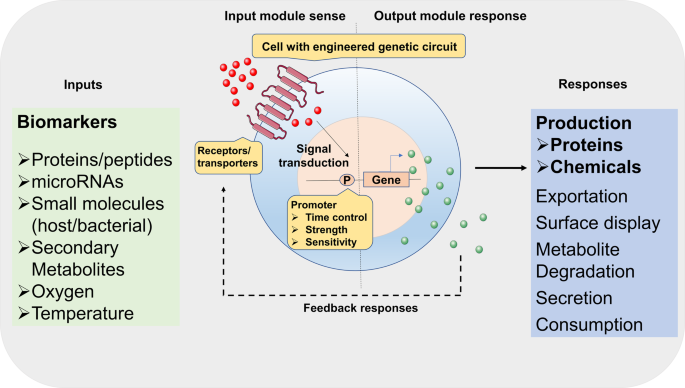
At its heart, synthetic biology is an interdisciplinary field that applies engineering principles to biology. Unlike traditional genetic engineering, which primarily modifies existing genes, synthetic biology aims to design and build entirely new biological functions and systems that do not exist in nature, or to redesign existing ones for novel purposes. This involves standardizing biological parts, much like electronic components, to create predictable and programmable biological circuits. By 2025, this modular approach will have matured significantly, enabling more complex and reliable bio-designs. The ability to read, write, and edit DNA with unprecedented precision, largely thanks to advancements in tools like CRISPR technology, has accelerated this trajectory, paving the way for a wave of sophisticated bio-engineered solutions across diverse sectors.
Driving Forces Shaping Synthetic Biology by 2025
- Technological Maturation: Next-generation DNA synthesis and sequencing technologies are becoming faster and cheaper, democratizing access to foundational tools. Automation in lab processes, coupled with AI-driven design platforms, is reducing experimental cycles and increasing throughput.
- Computational Biology & AI Integration: Advanced algorithms and machine learning are critical for designing complex biological systems, predicting their behavior, and optimizing pathways. Bioinformatics and computational biology are no longer just supportive tools but integral components of the design-build-test-learn cycle.
- Increased Investment & Public-Private Partnerships: Significant capital is flowing into synthetic biology startups and research initiatives, recognizing its immense potential. Governments and private entities are collaborating to accelerate research, development, and commercialization, particularly in areas like sustainable production and healthcare innovations.
- Growing Demand for Sustainable Solutions: Global challenges such as climate change, resource depletion, and food insecurity are creating urgent demands for bio-based alternatives, positioning synthetic biology as a key enabler of a circular bioeconomy.
Transformative Healthcare & Medical Applications by 2025
The healthcare sector is arguably where synthetic biology's impact will be most profoundly felt by 2025. The ability to precisely engineer living cells and organisms opens new frontiers in disease treatment, diagnosis, and prevention.
Personalized Medicine and Advanced Therapies
By 2025, synthetic biology will be a driving force behind truly personalized medicine. We are seeing a shift from 'one-size-fits-all' treatments to therapies custom-designed for an individual's genetic makeup and disease profile.
- Engineered Cell Therapies: Beyond current CAR-T cell therapies for cancer, synthetic biologists are designing cells with enhanced capabilities, such as T-cells that can detect multiple cancer markers, overcome immunosuppressive tumor microenvironments, or even produce therapeutic proteins directly at the tumor site. This includes engineering stem cells for regenerative medicine applications, repairing damaged tissues and organs with unprecedented precision.
- Programmable Gene Therapies: While CRISPR is already revolutionizing gene editing, synthetic biology is pushing the boundaries by developing more sophisticated gene circuits that can sense specific cellular conditions and then activate or deactivate genes accordingly. This allows for fine-tuned therapeutic responses, minimizing off-target effects and maximizing efficacy in treating genetic disorders.
- Smart Drug Delivery Systems: Engineered bacteria or viruses are being developed to act as 'smart' drug delivery vehicles, programmed to target specific diseased cells or tissues and release therapeutic payloads only when certain biological cues are present. This enhances drug efficacy and reduces systemic side effects.
Advanced Diagnostics and Biosensors
The future of diagnostics in 2025 will increasingly rely on synthetic biology-driven biosensors capable of detecting disease markers with high sensitivity and specificity, often at the point of care.
- Living Diagnostics: Engineered microbes or mammalian cells could be ingested or introduced into the body to detect specific biomarkers (e.g., early cancer indicators, pathogenic infections) and then signal their presence, perhaps by changing color or producing a detectable metabolite.
- Rapid Pathogen Detection: Synthetic biology will enable the rapid and accurate identification of emerging pathogens, crucial for pandemic preparedness. Portable, field-deployable devices using engineered biological components can quickly diagnose infections, distinguishing between different strains and even predicting antibiotic resistance profiles.
- Environmental Health Monitoring: Beyond human health, engineered biosensors will play a vital role in monitoring environmental contaminants, detecting pollutants in water or soil, and assessing ecosystem health in real-time.
Revolutionizing Industry and Sustainable Solutions
Beyond healthcare, synthetic biology is poised to disrupt traditional manufacturing, energy production, and agriculture, offering sustainable alternatives to current resource-intensive processes.
Bio-manufacturing and Industrial Biotechnology
By 2025, the concept of a 'bio-foundry' will be more commonplace, where engineered microorganisms become miniature factories producing high-value chemicals, materials, and fuels with unprecedented efficiency and reduced environmental impact. This is the essence of bio-manufacturing.
- Sustainable Chemicals and Materials: Microbes are being engineered to produce commodity chemicals (e.g., succinic acid, butanediol), polymers for bio-plastics, and even novel materials like self-healing concrete or spider silk proteins, all from renewable feedstocks rather than fossil fuels. This significantly reduces carbon footprint and reliance on petroleum.
- Alternative Proteins and Food Security: The rise of cellular agriculture and precision fermentation is a direct application of synthetic biology. By 2025, engineered yeast, fungi, or bacteria will efficiently produce animal-free dairy proteins, egg proteins, and even heme for plant-based meats, offering sustainable and ethical alternatives to traditional animal agriculture. This addresses growing concerns about food security and environmental impact.
- Biofuels and Renewable Energy: While challenging, ongoing research aims to engineer microbes that can more efficiently convert biomass or even CO2 directly into advanced biofuels (e.g., bio-butanol, bio-diesel) or hydrogen, providing cleaner energy sources.
Environmental Remediation and Conservation
Synthetic biology offers powerful tools for tackling some of the most pressing environmental challenges, contributing significantly to environmental remediation efforts.
- Pollution Bioremediation: Engineered microorganisms can be designed to break down persistent pollutants like plastics, pesticides, heavy metals, or oil spills into harmless compounds. This includes developing 'plastic-eating' enzymes or bacteria capable of sequestering carbon dioxide directly from the atmosphere.
- Resource Recovery: Synthetic biology can facilitate the recovery of valuable resources from waste streams, such as extracting rare earth elements from industrial effluent or converting agricultural waste into valuable bioproducts.
- Biodiversity Conservation: While controversial, discussions around 'de-extinction' or genetically enhancing endangered species for disease resistance or climate resilience are emerging applications, demonstrating the field's potential for conservation, albeit with significant ethical considerations.
Emerging Frontiers and Beyond 2025: Glimpses into the Future
While 2025 will see the maturation of many current applications, several nascent areas are poised for significant breakthroughs in the latter half of the decade and beyond.
Biocomputing and Data Storage
The idea of using DNA as a robust, incredibly dense medium for data storage is gaining traction. By 2025, we could see more sophisticated prototypes of DNA-based data centers, offering storage capacities far exceeding current silicon-based systems. Beyond storage, researchers are exploring biological circuits that perform computations, paving the way for living computers or biocomputing systems that could interact directly with biological environments.
New Materials and Self-Assembling Systems
Synthetic biology is inspiring the creation of novel materials with unprecedented properties. Imagine materials that can self-repair, change color based on environmental cues, or even grow and adapt. This involves engineering cells to produce complex hierarchical structures at the nanoscale, leading to breakthroughs in fields like textiles, construction, and electronics.
Space Exploration and Astrobiology
As humanity ventures further into space, synthetic biology offers solutions for long-duration missions. Engineered organisms could produce food, recycle waste, generate oxygen, or even create building materials on other planets, reducing reliance on Earth-based resupply. This intersects with astrobiology, where synthetic biology could help us understand the potential for life beyond Earth and even design life forms adapted to extraterrestrial environments.
Navigating the Landscape: Challenges, Ethics, and Investment Trends
The rapid advancement of synthetic biology also brings forth critical challenges that must be addressed for its responsible development and widespread adoption.
Regulatory Frameworks and Public Perception
By 2025, the existing regulatory frameworks, often designed for traditional genetic modification, will need significant updates to accommodate the complexity and novelty of synthetic biology products. Striking a balance between fostering innovation and ensuring public safety and environmental protection is paramount. Public understanding and acceptance are also crucial; clear communication about the benefits and risks will be essential to build trust and avoid widespread apprehension.
Biosecurity and Risk Mitigation
The power to engineer life also carries inherent risks, including the potential for misuse (e.g., creating novel pathogens) or unintended ecological consequences (e.g., engineered organisms escaping into the environment). Robust biosecurity measures, responsible research practices, and international collaboration are vital to mitigate these risks. The field must proactively address dual-use concerns.
Ethical Considerations and Equitable Access
As synthetic biology applications become more sophisticated, complex ethical dilemmas arise. Questions about altering human germline, creating novel life forms, or the equitable distribution of benefits (e.g., high-cost gene therapies) will intensify. Discussions around the "playing God" narrative and the definition of life itself will continue. Ensuring that these powerful technologies are developed and deployed in a way that benefits all of humanity, rather than exacerbating existing inequalities, is a significant challenge. Moreover, ethical considerations around intellectual property and access to foundational biological parts will become increasingly important.
Investment Trends and Economic Impact
By 2025, investment trends in synthetic biology will continue their upward trajectory. Venture capital, corporate partnerships, and government grants are pouring into areas like sustainable materials, precision health, and agricultural biotech. The economic impact is projected to be immense, creating new industries, jobs, and markets, while potentially displacing traditional sectors. Understanding these shifts is crucial for policymakers and investors alike.
Actionable Insights for Stakeholders
For individuals and organizations looking to engage with or benefit from the burgeoning field of synthetic biology, strategic planning is key.
- For Researchers & Innovators: Focus on robust design principles, standardization, and interdisciplinary collaboration. Embrace AI and automation tools. Prioritize safety and ethical considerations from the outset of any project. Seek diverse funding opportunities, including grants focused on translational research.
- For Investors: Look for companies with strong intellectual property, clear pathways to commercialization, and applications addressing large, unmet market needs (e.g., climate solutions, chronic diseases). Diversify across different application areas (healthcare, materials, food). Pay attention to regulatory foresight and robust risk management strategies.
- For Policymakers & Regulators: Develop agile, adaptive regulatory frameworks that can keep pace with rapid technological advancements without stifling innovation. Foster international cooperation on biosecurity and ethical guidelines. Invest in public education initiatives to build informed societal discourse.
- For Businesses & Industry Leaders: Explore how synthetic biology can offer sustainable alternatives to current processes, reduce costs, or create entirely new product lines. Consider partnerships with synthetic biology startups or academic research groups to integrate cutting-edge bio-solutions into your operations. Invest in upskilling your workforce to understand and leverage biological engineering.
- For the General Public: Stay informed about developments in synthetic biology. Engage in public discussions and advocate for responsible innovation. Understand the potential benefits and challenges this technology presents for society and the environment.
The trajectory of synthetic biology towards 2025 is one of accelerating innovation and profound transformation. Its applications promise to reshape our world, offering powerful tools to address some of humanity's most complex challenges, from health and sustainability to advanced manufacturing and beyond. Embracing this future responsibly and strategically will be key to harnessing its full potential for global benefit.
Frequently Asked Questions
What is the primary goal of synthetic biology applications 2025?
The primary goal of synthetic biology applications 2025 is to engineer novel biological functions and systems to solve real-world problems. This ranges from creating sustainable industrial processes and developing advanced medical therapies like personalized medicine to enhancing food production and enabling new forms of computing. It's about programming biology for predictable and beneficial outcomes, moving beyond merely understanding life to actively designing it.
How will CRISPR technology influence synthetic biology by 2025?
CRISPR technology will be a foundational pillar influencing synthetic biology by 2025 by providing unparalleled precision in genetic editing. It allows synthetic biologists to efficiently cut, paste, and modify DNA sequences, enabling the rapid prototyping and optimization of engineered biological systems. This precision accelerates the design-build-test cycle, making the creation of complex genetic circuits and therapeutic interventions much more feasible and reliable, driving progress in areas like gene therapy and cellular engineering.
What are some key sustainable solutions expected from synthetic biology by 2025?
By 2025, synthetic biology is expected to deliver several key sustainable solutions. These include advanced bio-manufacturing processes for producing sustainable chemicals, bio-plastics, and alternative proteins (e.g., through precision fermentation), significantly reducing reliance on fossil fuels and animal agriculture. Additionally, engineered microorganisms will play a growing role in environmental remediation, such as breaking down pollutants or capturing carbon dioxide, contributing to a more circular and environmentally friendly economy.

0 Komentar