
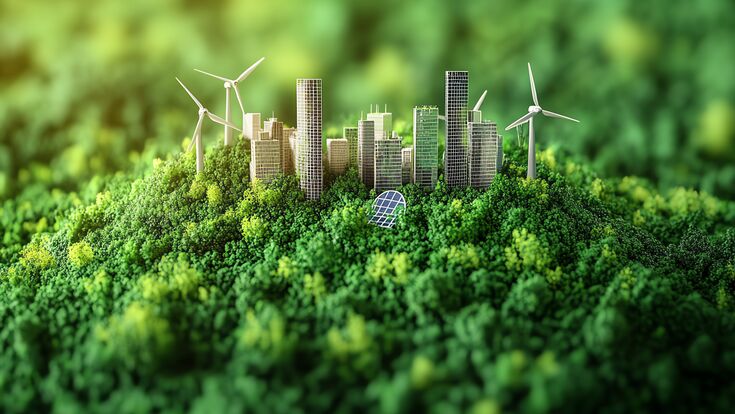
The Future of Waste Management Technology in 2025: A Deep Dive into Sustainable Solutions
The global challenge of waste generation demands innovative solutions, and the year 2025 is poised to be a pivotal moment for advancements in waste management technology. As an SEO expert, I recognize the critical importance of understanding these shifts, not just for environmental sustainability but also for economic opportunity. This article delves deep into the cutting-edge technologies and strategic approaches that will redefine how we handle waste, moving beyond traditional disposal to embrace a more holistic, resource-centric model. We'll explore how artificial intelligence, IoT sensors, advanced recycling techniques, and the burgeoning circular economy are set to revolutionize the industry, offering a compelling glimpse into a future where waste is not just managed, but transformed into valuable resources.
The Paradigm Shift: From Disposal to Resource Recovery
For decades, waste management primarily focused on collection and disposal, with landfills serving as the primary endpoint. However, the escalating environmental impact, coupled with dwindling natural resources, has necessitated a radical shift. By 2025, the industry will have firmly embraced a new paradigm: resource recovery. This involves treating waste not as a problem to be discarded, but as a valuable input for new products and energy. This fundamental change is driven by a combination of technological innovation, evolving regulatory frameworks, and increasing public awareness regarding environmental stewardship and sustainable practices. The emphasis is now on maximizing value extraction at every stage of the waste lifecycle.
Key Technological Drivers Shaping 2025 Waste Management
The backbone of this transformation lies in a suite of sophisticated technologies that are rapidly maturing. These innovations promise to make waste management more efficient, cost-effective, and environmentally friendly than ever before.
- Artificial Intelligence (AI) and Machine Learning (ML): AI is set to revolutionize waste sorting and collection. Advanced optical sorters powered by machine learning algorithms can identify and separate different materials with unparalleled accuracy, significantly improving recycling rates. Beyond sorting, AI will optimize collection routes, predict waste generation patterns, and even identify maintenance needs for equipment, leading to substantial operational efficiencies. Imagine a future where waste trucks follow dynamic, AI-optimized paths, reducing fuel consumption and emissions.
- Internet of Things (IoT) and Smart Bins: The proliferation of IoT sensors will transform waste bins into smart, connected devices. These smart bins will monitor fill levels in real-time, sending data to central management systems. This enables on-demand collection, eliminating unnecessary trips and ensuring bins are emptied before overflowing. Such data-driven approaches not only optimize logistics but also provide valuable insights into waste composition and generation trends, aiding in better waste planning and infrastructure development.
- Advanced Recycling Technologies: Beyond traditional mechanical recycling, 2025 will see the widespread adoption of advanced techniques. Chemical recycling, for instance, breaks down plastics into their original monomers or other valuable chemicals, allowing them to be remanufactured into new, high-quality plastics. Technologies like pyrolysis and gasification will convert mixed waste into synthetic fuels or raw materials, effectively closing the loop for difficult-to-recycle materials. This signifies a massive leap towards true material circularity.
- Waste-to-Energy (WtE) Innovations: While controversial in the past, modern Waste-to-Energy facilities are becoming cleaner and more efficient. By 2025, advanced thermal treatment methods, including enhanced anaerobic digestion for organic waste and improved incineration technologies with stringent emission controls, will play a crucial role in diverting non-recyclable waste from landfills while generating electricity or heat. The focus here is on maximizing energy recovery from residual waste that cannot be economically recycled or composted.
- Bio-Conversion and Circular Economy Initiatives: The push for a circular economy will accelerate the development of bio-conversion technologies. This includes advanced composting techniques for organic waste, producing high-quality soil amendments, and the development of bioplastics from waste streams. Furthermore, innovative processes will extract valuable nutrients from wastewater and organic waste, creating fertilizers and other bio-based products. This holistic approach aims to keep resources in use for as long as possible, extracting maximum value from them.
Transforming Waste Management Operations: Practical Implementations
The integration of these technologies will necessitate significant operational shifts. Waste management companies, municipalities, and even individual households will need to adapt to new processes and embrace data-driven decision-making.
Practical Implementation Strategies for 2025 and Beyond
- Data-Driven Collection and Logistics:
- Optimized Routing: Utilize AI and GPS data to create the most efficient collection routes, minimizing fuel consumption and operational costs.
- Dynamic Scheduling: Implement systems that allow for on-demand collection based on real-time bin fill levels, rather than fixed schedules.
- Fleet Management: Employ IoT sensors on waste vehicles to monitor performance, predict maintenance needs, and enhance safety.
- Enhanced Sorting and Processing Facilities:
- Automated Material Recovery Facilities (MRFs): Invest in next-generation MRFs equipped with AI-powered robots and optical sorters that can precisely identify and separate various materials, including different plastic polymers, glass, metals, and paper.
- Specialized Processing Units: Establish facilities dedicated to advanced recycling (e.g., chemical recycling plants) and bio-conversion (e.g., anaerobic digestion plants for food waste).
- Quality Control: Implement rigorous quality control measures to ensure that recycled materials meet the high standards required by manufacturers, thereby increasing market demand for recycled content.
- Public Engagement and Behavioral Change:
- Smart Incentives: Implement "pay-as-you-throw" schemes or reward systems for proper sorting using smart bin technology.
- Educational Campaigns: Launch targeted campaigns to educate citizens about new sorting requirements, the benefits of recycling, and the importance of reducing waste at the source.
- Community Participation Platforms: Develop digital platforms that allow citizens to report issues, track their waste impact, and engage with waste management initiatives.
- Policy and Regulatory Frameworks:
- Extended Producer Responsibility (EPR): Strengthen EPR schemes that hold manufacturers accountable for the entire lifecycle of their products, encouraging design for recyclability and durability.
- Landfill Bans and Taxes: Implement or increase taxes on landfilling and incineration to incentivize waste reduction, reuse, and recycling.
- Standardization: Develop standardized guidelines for waste classification, collection, and processing to facilitate inter-regional collaboration and market development for recycled materials.
The Role of Policy and Public Engagement
While technology provides the tools, effective policy and active public engagement are the catalysts for widespread adoption and success. Governments worldwide are recognizing the urgent need to transition to more sustainable waste management practices. By 2025, we anticipate stronger regulatory frameworks, including stricter landfill bans, increased taxes on waste disposal, and robust Extended Producer Responsibility (EPR) schemes. These policies will compel businesses to design products with their end-of-life in mind, fostering a true circular economy where products are designed for durability, reuse, and easy recycling.
Public engagement is equally vital. Technologies like smart bins and gamified recycling apps will empower citizens to become active participants in the waste management ecosystem. Educational campaigns will raise awareness about the environmental and economic benefits of proper waste segregation and reduction. The success of future waste management hinges on a collaborative effort between technology providers, policymakers, businesses, and individual citizens. This holistic approach ensures that technological advancements translate into tangible environmental improvements and economic benefits.
Challenges and Opportunities on the Horizon
Despite the promising outlook, the journey to a truly sustainable waste management system is not without its challenges. Significant investment is required to upgrade existing infrastructure and deploy new technologies. Data privacy concerns related to IoT devices, the complexity of integrating diverse technological platforms, and the need for a skilled workforce capable of operating and maintaining advanced systems are all hurdles that must be addressed.
However, these challenges also present immense opportunities. The waste management sector is ripe for innovation, attracting new businesses and creating green jobs. The development of new materials from recycled waste, the generation of renewable energy, and the optimization of resource flows contribute directly to economic growth and resilience. Furthermore, improved waste management can significantly reduce greenhouse gas emissions, mitigate climate change, and protect public health, offering substantial environmental dividends. The transition to advanced waste management technologies also fosters international collaboration and knowledge sharing, creating a global network committed to environmental sustainability.
For businesses looking to thrive in this evolving landscape, understanding and integrating these technologies will be paramount. Consider how your operations can contribute to a zero-waste initiative or leverage innovative recycling solutions. Learn more about advanced recycling techniques and their potential impact.
Frequently Asked Questions
What is the primary goal of future waste management in 2025?
The primary goal of future waste management by 2025 is to shift from a linear "take-make-dispose" model to a more sustainable, circular approach focused on resource recovery. This means minimizing landfill waste, maximizing the reuse and recycling of materials, and extracting valuable resources and energy from waste streams, thereby contributing to a robust circular economy and environmental sustainability.
How will AI transform waste collection and sorting?
AI will revolutionize waste collection by enabling smart bins with IoT sensors that communicate fill levels, optimizing collection routes and schedules in real-time to reduce fuel consumption and emissions. In sorting, AI-powered robotic systems and optical sorters will achieve unprecedented accuracy in identifying and separating different materials, including various types of plastics and other recyclables, significantly increasing recycling rates and the purity of recycled materials.
Are waste-to-energy technologies truly sustainable for the future?
Modern waste-to-energy (WtE) technologies, when implemented with advanced emission controls and as part of a broader integrated waste management strategy, can be sustainable. They provide a vital solution for residual waste that cannot be recycled or composted, diverting it from landfills and generating renewable energy. The focus is on ensuring these facilities meet stringent environmental standards and complement robust recycling and waste reduction efforts, rather than replacing them.
What role does the circular economy play in waste management by 2025?
The circular economy is a foundational concept for waste management by 2025. It emphasizes designing out waste and pollution, keeping products and materials in use, and regenerating natural systems. In practice, this means promoting product longevity, repairability, and recyclability; fostering reuse and sharing models; and developing advanced technologies for material recovery and transformation. It aims to create a closed-loop system where waste is eliminated, and resources are continuously circulated.
How can individuals contribute to these advancements?
Individuals can significantly contribute by practicing diligent waste segregation at home, actively participating in local recycling programs, reducing consumption, reusing items whenever possible, and composting organic waste. Supporting businesses that adopt sustainable practices and advocating for stronger environmental policies also plays a crucial role. Embracing smart waste management tools and staying informed about new technologies further empowers personal contributions to the future of waste management.

0 Komentar