
The Future of Wearable Technology in 2025: Revolutionary Applications and Market Evolution
Prepare to delve into a meticulously crafted exploration of the future of wearable technology in 2025 applications, where innovation isn't just a buzzword but the very fabric of our daily lives. This comprehensive guide, authored by an SEO expert with a deep understanding of market trends and technological advancements, unveils the transformative impact of smart wearables. From groundbreaking advancements in health monitoring devices to ubiquitous integration within the Internet of Things (IoT), 2025 promises a landscape where wearable tech moves beyond mere convenience, becoming an indispensable tool for health, productivity, and immersive experiences. We'll navigate the complex interplay of artificial intelligence, seamless connectivity, and personalized data, painting a vivid picture of what the next generation of smart devices will bring.
Revolutionizing Healthcare and Wellness with Next-Gen Wearables
The healthcare sector stands on the precipice of a profound transformation, with wearable technology acting as the primary catalyst. By 2025, these devices will transcend basic step counting, evolving into sophisticated, proactive health companions. Expect a surge in capabilities for continuous, non-invasive monitoring, providing users and medical professionals with unprecedented insights into well-being.
Advanced Continuous Health Monitoring
- Real-time Biometric Tracking: Beyond heart rate, 2025 wearables will routinely monitor blood glucose levels (non-invasively), blood pressure, oxygen saturation, and even early indicators of neurological conditions. Devices will feature miniaturized sensors capable of collecting highly accurate physiological data.
- Predictive Analytics for Early Detection: Leveraging sophisticated AI integration and machine learning algorithms, wearables will move from reactive data collection to proactive health management. They will analyze trends in your biometric data to identify subtle anomalies, predicting potential health issues before symptoms manifest. Imagine a smart patch alerting you to early signs of dehydration or a smartwatch detecting an irregular heart rhythm that could indicate a serious cardiac event, prompting immediate medical consultation. This shift towards predictive analytics will empower individuals to take preventative action, significantly improving health outcomes.
- Enhanced Sleep Analysis: Advanced sleep trackers will not only monitor sleep cycles but also analyze breathing patterns for sleep apnea, detect restless leg syndrome, and even provide haptic feedback to gently guide users towards optimal sleep positions.
Personalized Wellness and Preventative Care
The era of one-size-fits-all health advice will be obsolete. Wearables in 2025 will offer hyper-personalized wellness coaching, adapting to individual physiological responses and lifestyle choices.
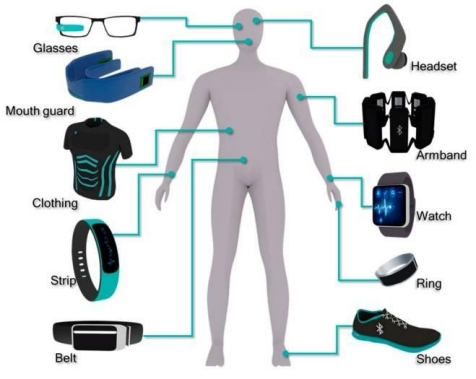
- Adaptive Fitness Coaching: Your smart wearable will be your personal trainer, adjusting workout intensity and recovery protocols based on your real-time fatigue levels, muscle recovery, and even stress hormones. Devices like smart rings and smart textiles (e.g., shirts with integrated sensors) will provide form correction and performance optimization during exercises.
- Stress Management and Mental Health Support: Wearables will increasingly incorporate biofeedback mechanisms to help manage stress and anxiety. Devices might guide users through breathing exercises based on heart rate variability or provide gentle vibrations (haptic feedback) to encourage mindfulness. Some could even monitor brainwave activity for early signs of cognitive decline or stress-induced mental fatigue.
- Remote Patient Monitoring (RPM) Integration: For chronic disease management, wearables will become integral to RPM programs, reducing hospital visits and improving patient adherence. Data collected from wearable sensors will be securely transmitted to healthcare providers, enabling timely interventions and personalized treatment adjustments. This seamless flow of information will be crucial for managing conditions like diabetes, hypertension, and post-operative recovery. For more on secure data, see our article on Protecting Personal Health Data in the Cloud.
Boosting Productivity and Enterprise Solutions
Beyond personal wellness, the future of wearable technology in 2025 applications extends deeply into professional environments, driving efficiency, safety, and new forms of collaboration. Businesses are rapidly realizing the tangible benefits of equipping their workforce with sophisticated wearable devices.
Augmented Reality (AR) Wearables for Industry
Augmented reality glasses will no longer be a novelty but a staple in various industries. These powerful tools overlay digital information onto the real world, transforming tasks across manufacturing, logistics, and field services.
- Enhanced Training and Onboarding: New employees can receive interactive, step-by-step instructions overlaid directly onto machinery or equipment, reducing training time and errors.
- Remote Expert Assistance: Field technicians can connect with remote experts who can see exactly what the technician sees, guiding them through complex repairs or diagnostics with real-time annotations and instructions appearing in their field of view. This minimizes downtime and travel costs.
- Warehouse and Logistics Optimization: AR glasses will guide workers directly to items, display inventory levels, and optimize picking routes, significantly improving efficiency and accuracy in supply chain operations.
Smartwatches and Smart Rings for Business
These discreet yet powerful devices will evolve into indispensable tools for professionals, offering more than just notifications.
- Biometric Authentication and Access Control: Smart rings and watches will serve as secure, hands-free keys for accessing buildings, computers, and sensitive data. Biometric authentication via heartbeat, gait, or unique finger vein patterns will replace traditional passwords and keycards, enhancing security and convenience.
- Contextual Notifications and Workflow Management: AI-powered wearables will intelligently filter notifications, ensuring only critical alerts reach the user, reducing distractions. They will integrate seamlessly with enterprise software, providing quick access to project updates, meeting schedules, and urgent communications.
- Mobile Payments and Transactions: The ubiquity of secure, convenient payments via wearables will extend beyond retail, facilitating business-to-business transactions and expense tracking with ease.
Specialized Wearables for Specific Industries
From construction sites to operating rooms, purpose-built wearables will address unique industry challenges.
- Safety Wearables: Smart hard hats and vests will monitor vital signs of workers in hazardous environments, detect falls, and alert supervisors to potential dangers. They can also track exposure to harmful substances.
- Wearable Computers for Field Service: Compact, body-worn computers with voice control and robust connectivity will empower field service technicians, allowing them to access schematics, order parts, and document work without needing to carry bulky tablets or laptops.
- Medical-Grade Wearables: In surgical settings, sterile wearables could provide surgeons with real-time patient data or anatomical overlays, enhancing precision and safety.
Immersive Entertainment and Social Connectivity
The leisure and social spheres will also witness a profound integration of wearable technology, offering new dimensions of entertainment, communication, and personalized experiences.
Advanced AR/VR Glasses for Consumer Use
While enterprise applications will drive adoption, consumer-grade augmented reality glasses and VR headsets will become more affordable, lightweight, and stylish, blurring the lines between the digital and physical worlds.
- Enhanced Gaming and Interactive Experiences: Gaming will transcend screens, with AR overlays transforming real-world environments into interactive playgrounds. VR headsets will offer hyper-realistic virtual worlds with improved haptic feedback for truly immersive experiences.
- Virtual Social Spaces and Meetings: Participate in virtual gatherings, concerts, or professional meetings where your avatar interacts with others in highly realistic digital environments, facilitated by advanced wearable sensors capturing your expressions and gestures.
- Personalized Information Overlays: Imagine walking down a street and seeing real-time reviews of restaurants, historical facts about buildings, or directions overlaid directly onto your vision, all without pulling out a phone.
Smart Apparel and Accessories for Lifestyle
The integration of technology into clothing will become increasingly sophisticated and invisible, moving beyond niche products to mainstream fashion.
- Interactive Smart Textiles: Clothing embedded with sensors will monitor performance during sports, regulate body temperature, or even change color and pattern based on mood or environment. These smart textiles will offer comfort, functionality, and style seamlessly.
- Haptic Feedback for Enhanced Communication: Beyond notifications, haptic wearables could enable new forms of non-verbal communication, such as shared sensations or subtle nudges for navigation, enhancing the feeling of connection in social interactions.
- Personalized Audio and Communication: Discreet earbuds or bone-conduction audio integrated into glasses will offer personalized soundscapes, noise cancellation, and crystal-clear communication, adapting to ambient noise levels and user preferences.
The Interconnected Ecosystem: AI, Data, and Seamless Connectivity
The true power of wearable technology in 2025 applications lies not just in individual devices but in their ability to communicate, learn, and integrate within a larger, intelligent ecosystem. This network effect amplifies their utility and impact.
The Role of AI and Machine Learning
Artificial intelligence will be the brain behind the brawn of wearable tech, enabling unprecedented levels of personalization and proactive assistance.
- Contextual Awareness: Wearables with AI integration will understand your context – whether you're driving, exercising, sleeping, or in a meeting – and adapt their functions and notifications accordingly. They'll anticipate your needs based on learned patterns.
- Personalization at Scale: AI will analyze your data to provide hyper-personalized recommendations, from fitness plans and dietary advice to optimal study environments and stress reduction techniques. This level of personalization will make wearables feel like truly intuitive extensions of ourselves.
- Enhanced Security and Biometric Authentication: AI-powered algorithms will refine biometric authentication methods, making them more secure and less prone to spoofing. Your wearable could continuously verify your identity through subtle physiological markers, providing seamless, secure access to your digital and physical world.
Seamless Connectivity and IoT Integration
The vision for 2025 involves wearables operating within a truly interconnected world, where devices communicate effortlessly.
- 5G and Beyond: Ultra-low latency and high bandwidth connectivity will be standard, enabling real-time data streaming for critical applications like remote surgery or high-fidelity AR experiences.
- Device Interoperability: Wearables will communicate seamlessly with smart homes, smart cars, and other IoT devices, creating a unified user experience. Imagine your smartwatch adjusting your home's thermostat based on your body temperature or your fitness tracker pre-heating your car as you finish a run. This seamless connectivity will create truly smart environments.
- Edge Computing: To reduce reliance on cloud processing and enhance responsiveness, more data processing will occur directly on the wearable device (edge computing), improving speed and addressing data privacy concerns by keeping sensitive information localized.
Addressing Challenges and Future Outlook
While the prospects are exciting, the widespread adoption of wearable technology in 2025 applications also hinges on overcoming several critical challenges.
Data Privacy and Security
As wearables collect increasingly sensitive personal data, ensuring robust data privacy and cybersecurity will be paramount. Manufacturers and developers must implement end-to-end encryption, transparent data policies, and strong user controls. Consumers will demand assurances that their health metrics, location data, and financial information are protected from breaches and misuse.
Battery Life and Miniaturization
Advancements in battery technology and energy harvesting will be crucial to sustain the always-on functionality expected of future wearables. Devices will become even smaller, lighter, and more comfortable, often integrating into existing apparel or accessories without aesthetic compromise.
Consumer Adoption and Affordability
For wearables to achieve mass market penetration, they must offer compelling value propositions at accessible price points. User experience, ease of integration into daily routines, and clear benefits will drive widespread consumer adoption.
Actionable Tips for Businesses and Consumers
- For Businesses:
- Invest in Pilot Programs: Start small with specific enterprise solutions like AR glasses for maintenance or smartwatches for inventory management to identify key benefits and challenges.
- Prioritize Data Security: Implement robust encryption and compliance frameworks from the outset when handling sensitive employee or customer data collected by wearables.
- Focus on Integration: Ensure new wearable solutions can integrate seamlessly with existing IT infrastructure and workflow systems.
- For Consumers:
- Research Before You Buy: Understand the specific health and privacy features of any wearable before purchasing, especially those collecting sensitive data.
- Explore Ecosystems: Consider how a new wearable fits into your existing tech ecosystem (e.g., smartphone, smart home devices) for optimal seamless connectivity.
- Utilize Personalization Features: Take advantage of the AI-driven personalization offered by advanced wearables to truly tailor your experience and maximize benefits.
Frequently Asked Questions
What specific health monitoring capabilities will be common in wearable technology by 2025?
By 2025, common health monitoring capabilities in wearable technology will extend beyond heart rate and steps to include non-invasive blood glucose monitoring, continuous blood pressure tracking, advanced sleep apnea detection, and early warning systems for dehydration or stress. Many devices will leverage AI integration for predictive analytics, offering personalized health insights and proactive alerts based on biometric data trends.
How will augmented reality glasses impact daily productivity in 2025?
Augmented reality glasses will significantly impact daily productivity in 2025 by providing hands-free access to information and interactive overlays in real-time. In enterprise settings, they will facilitate remote expert assistance, enhance training, and optimize logistics. For general consumers, they will offer contextual information overlays, navigation assistance, and immersive entertainment, making daily tasks more efficient and engaging.
What role will AI play in the personalization of wearable experiences by 2025?
AI will play a pivotal role in the personalization of wearable experiences by 2025, enabling devices to understand individual user habits, preferences, and physiological responses. Through AI integration and machine learning, wearables will offer adaptive fitness coaching, intelligent notification filtering, and tailored stress management techniques. They will provide highly relevant recommendations and anticipate user needs based on learned patterns and contextual awareness, making the wearable feel truly intuitive.

0 Komentar