
5G for Immersive Entertainment and Media Streaming: Unlocking Next-Gen Experiences
The landscape of digital entertainment and media consumption is undergoing a profound transformation, and at the heart of this revolution lies 5G technology. This fifth generation of cellular networks is not merely an incremental upgrade; it represents a paradigm shift, promising to redefine how we interact with content. With its unprecedented low latency and massive high bandwidth capabilities, 5G is poised to unlock truly immersive entertainment experiences, from crystal-clear 8K video streaming to seamless cloud gaming and hyper-realistic virtual reality environments. As SEO experts, we understand that providing comprehensive, authoritative content on this pivotal topic is crucial for those seeking to understand the future of digital media.
The Foundational Pillars of 5G Entertainment
Understanding the impact of 5G on entertainment begins with grasping its core technological advancements. Unlike previous generations, 5G is engineered to deliver three critical capabilities that are game-changers for media consumption:
- Enhanced Mobile Broadband (eMBB): This translates to significantly faster download and upload speeds, crucial for high-resolution media streaming and rapid content delivery. We're talking about peak theoretical speeds that could reach 10 Gbps, making buffering a relic of the past for even the most demanding content like 8K video.
- Ultra-Reliable Low-Latency Communications (URLLC): This is perhaps the most revolutionary aspect for interactive experiences. Latency, the delay between sending and receiving information, is drastically reduced to as low as a single millisecond. For applications like cloud gaming, real-time interaction in virtual worlds, and haptic feedback systems, this near-instantaneous response is absolutely critical.
- Massive Machine-Type Communications (mMTC): While more focused on IoT, mMTC enables a vast number of devices to connect simultaneously without network congestion. This indirectly supports large-scale interactive events and shared virtual reality environments where many users are participating concurrently.
These foundational pillars collectively enable a level of fluidity and responsiveness that was previously unimaginable over mobile networks. It's the difference between watching a video and truly stepping into a digital world.
Redefining Media Consumption with Ultra-High Definition
For avid streamers and cinephiles, 5G means an end to compromises. The massive increase in bandwidth supports not just consistent 4K streaming, but also the nascent world of 8K video streaming. Imagine watching your favorite sports event or blockbuster movie with four times the pixels of 4K, delivered flawlessly to your device. This level of detail enhances visual immersion, making content feel more lifelike and engaging.
- Buffer-Free Experience: Say goodbye to the dreaded spinning wheel. 5G's capacity ensures smooth, uninterrupted playback, even in densely populated areas.
- Instant Downloads: Download entire movies or seasons of shows in seconds, transforming how we access content on the go.
- Multi-Angle Viewing: For live sports or concerts, 5G enables broadcasters to offer multiple camera angles simultaneously, allowing viewers to switch perspectives seamlessly and personalize their viewing experience. This is a true form of personalized content delivery.
Revolutionizing Media Streaming: Beyond 4K
The promise of 5G extends far beyond simply faster downloads. It's about enabling entirely new forms of media consumption that were previously constrained by network limitations. Think of it as moving from a passive viewing experience to an active, participatory one.
With 5G, platforms can deliver truly dynamic content. Imagine live concerts where you can choose your vantage point, or interactive documentaries where your choices influence the narrative in real-time. This is where next-gen entertainment truly takes shape.
The Era of Interactive Content
The low latency of 5G is a game-changer for interactive media. No longer are users merely consumers; they become participants. This opens doors for:
- Live Interactive Broadcasts: Audiences can vote, ask questions, or even influence the outcome of live shows or events with immediate feedback. This creates a much deeper level of engagement than traditional passive viewing.
- Enhanced Fan Engagement for Sports: Beyond multi-angle viewing, fans could access real-time player stats overlayed onto their screen, participate in live polls, or even interact with virtual avatars of players.
- Cloud-Based Production: Content creators can leverage 5G to collaborate on projects remotely, streaming high-resolution footage and editing files from anywhere, speeding up production workflows for media consumption.
Gaming Unleashed: Cloud, Console-Quality, Anywhere
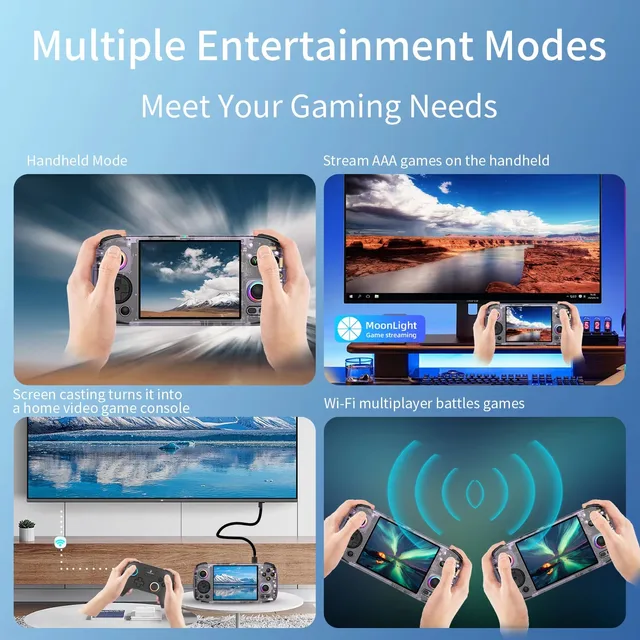
For gamers, 5G is nothing short of revolutionary. The dream of playing console-quality games on any device, anywhere, is now within reach, largely due to advancements in cloud gaming.
Platforms like Google Stadia, Xbox Cloud Gaming, and NVIDIA GeForce NOW rely heavily on a robust, low-latency connection to stream game visuals to your device while processing the game on powerful remote servers. 5G provides the ideal backbone for this, eliminating the need for expensive hardware or lengthy downloads.
The End of Lag: A Gamer's Dream
The nemesis of every online gamer is lag. In competitive titles, even a few milliseconds of delay can mean the difference between victory and defeat. 5G's ultra-low latency directly addresses this pain point, offering a gaming experience that feels as responsive as playing on a local console.
- Seamless Cloud Gaming: Play graphically intensive games like Cyberpunk 2077 or Red Dead Redemption 2 on your smartphone or tablet, with graphics rendered in the cloud and streamed to your device with virtually no perceptible lag. This is the promise of console-quality graphics without the console.
- Real-time Multiplayer: Experience fluid, competitive online multiplayer with reduced ping times, leading to fairer and more enjoyable matches.
- Enhanced Mobile Gaming: Even native mobile games benefit from faster updates, quicker asset loading, and more stable connections for online play.
Actionable Tip: If you're a serious gamer, ensure your 5G device supports the latest cellular modems and your chosen 5G plan offers truly unlimited data, as cloud gaming can be data-intensive. Look for providers that emphasize low latency for gaming.
Virtual and Augmented Reality: True Immersion
Perhaps no segment of entertainment benefits as profoundly from 5G as virtual reality (VR) and augmented reality (AR). These technologies demand immense bandwidth and extremely low latency to deliver truly immersive and believable experiences.
Previously, high-fidelity VR often required powerful, tethered PCs, limiting mobility and increasing setup complexity. AR applications were often constrained by the processing power of mobile devices and the speed of data transfer.
Untethered VR Experiences
5G breaks these chains. By offloading much of the rendering and processing to the cloud or edge computing servers, 5G enables truly untethered VR headsets. This means:
- Wireless Freedom: Move freely within virtual environments without tripping over cables or being restricted by the range of a PC. This is the key to widespread adoption of mobile VR.
- Shared Virtual Spaces: Participate in high-fidelity virtual concerts, social gatherings, or collaborative workspaces with dozens, or even hundreds, of other users in a seamless, lag-free environment. These shared virtual spaces demand immense network capabilities.
- Hyper-Realistic AR Overlays: Imagine walking down a street and seeing real-time information, interactive advertisements, or digital characters seamlessly overlaid onto your view of the real world via AR glasses, all powered by instant data retrieval over 5G.
- Immersive Training and Simulation: Industries can leverage 5G for highly realistic training simulations in VR, from medical procedures to complex machinery operation, with real-time feedback and collaboration.
The convergence of 5G, VR, and AR is paving the way for the metaverse – persistent, interconnected virtual worlds that blend digital and physical realities. This is the epitome of immersive entertainment.
Live Events and Sports: A New Spectator Experience
The way we experience live events, from sports matches to music concerts, is also set for a significant overhaul, thanks to 5G's capabilities.
Beyond simply streaming the main broadcast, 5G enables a multitude of enhanced viewing options that bring the fan closer to the action and offer unparalleled personalization. This is about transforming passive spectating into active engagement.
Enhancing Fan Engagement
The enhanced connectivity offered by 5G allows for a richer, more interactive experience for spectators, whether they are in the stadium or watching from home:
- Multi-Camera Angles: As mentioned, viewers can switch between various camera feeds, including player-POV cameras, drone shots, or tactical views, all in real-time. This provides unprecedented control over the viewing experience.
- Real-time Statistics and Player Tracking: Overlay live data, player biometrics, or tactical diagrams directly onto the video feed, providing deeper insights into the game as it unfolds.
- Augmented Reality Overlays at Venues: For fans attending live events, AR applications powered by 5G could provide interactive maps, virtual replays on their phone screens, or even virtual mascots appearing on the field.
- Interactive Concert Experiences: Imagine attending a virtual concert where you can freely move around a digital venue, interact with other avatars, and even choose which band member's perspective you want to see. This level of interactive experiences is only possible with 5G's speed and low latency.
This shift from a singular broadcast to a personalized, data-rich experience represents a significant leap forward in how we consume live media consumption. (Learn more about the future of sports broadcasting with 5G)
The Role of Edge Computing and Network Slicing
While 5G's raw speed and low latency are impressive, two underlying technologies are critical for delivering the ultimate immersive entertainment experience: edge computing and network slicing.
- Edge Computing: Instead of all data processing happening in centralized cloud data centers far away, edge computing moves computation and data storage closer to the source of the data – i.e., closer to the user or the device. For gaming and VR, this means even lower latency, as data doesn't have to travel as far. It's essential for truly real-time interactive experiences.
- Network Slicing: This allows network operators to create multiple virtual networks on top of a single physical 5G infrastructure. Each "slice" can be optimized for specific services. For instance, a dedicated slice could be provisioned for cloud gaming or live 8K video streaming, guaranteeing a certain level of performance (e.g., specific bandwidth and latency) even when the overall network is busy. This ensures a premium user experience for entertainment applications.
Optimizing Performance for Entertainment
These advanced capabilities ensure that entertainment applications receive the priority and performance they need to deliver truly seamless experiences. Without them, even a fast 5G connection could suffer from congestion or processing delays when dealing with the incredibly demanding requirements of real-time VR or cloud gaming.
Expert Insight: As 5G networks mature, the intelligent deployment of edge computing infrastructure and the widespread adoption of network slicing will be key differentiators for mobile carriers looking to provide superior next-gen entertainment services.
Practical Tips for Maximizing Your 5G Entertainment
To fully leverage the capabilities of 5G for your entertainment needs, consider these practical steps:
- Invest in a 5G-Compatible Device: Ensure your smartphone, tablet, or even a dedicated 5G hotspot or home router supports the latest 5G bands, including mmWave if available in your area, for the fastest speeds.
- Choose the Right 5G Plan: Opt for an unlimited data plan, as high-resolution streaming, VR, and cloud gaming can consume significant amounts of data. Some carriers offer plans optimized for entertainment with specific perks.
- Optimize Your Home Network: If you're using 5G for home internet, place your 5G router in an optimal location for signal strength. Consider a mesh Wi-Fi system if you have a large home to ensure consistent coverage for all your entertainment devices.
- Explore 5G-Optimized Apps and Services: Look for streaming platforms, game developers, and VR/AR content creators that are specifically designing experiences to take advantage of 5G's unique capabilities. Many platforms are now actively developing for low latency and high bandwidth.
- Be Aware of Coverage: Check your mobile carrier's 5G coverage map regularly. While 5G is expanding rapidly, availability and speed can vary significantly by location.
- Consider a Gaming Headset with Low Latency Audio: For cloud gaming or VR, pairing your 5G connection with a high-quality, low-latency audio solution will further enhance your immersive experience.
Challenges and the Road Ahead
Despite the immense promise, the widespread realization of 5G's full entertainment potential still faces challenges. The global rollout of 5G infrastructure, particularly dense mmWave deployments necessary for peak performance, is an ongoing process. Device availability and affordability for advanced 5G-enabled VR/AR headsets are also factors. Furthermore, content creators need to adapt and innovate, developing new forms of next-gen entertainment specifically designed to exploit 5G's unique characteristics, rather than simply porting existing experiences.
Overcoming Hurdles for Widespread Adoption
The industry is actively working to overcome these hurdles. Increased investment in infrastructure, competitive pricing for 5G devices and plans, and a growing ecosystem of developers creating compelling immersive entertainment content will drive wider adoption. As the technology matures, we can expect a future where media consumption is not just faster, but fundamentally more engaging, interactive, and truly immersive.
Frequently Asked Questions
What is the primary benefit of 5G for media streaming?
The primary benefit of 5G for media streaming is its significantly increased high bandwidth, which enables seamless, buffer-free playback of ultra-high-definition content like 8K video. It also allows for faster downloads and supports advanced features like multi-angle viewing and personalized content delivery, enhancing the overall media consumption experience.
How does 5G enhance cloud gaming?
5G revolutionizes cloud gaming primarily through its ultra-low latency. This minimal delay between your input and the game's response makes cloud-streamed games feel as responsive as if they were running on a local console. Combined with high bandwidth for streaming console-quality graphics, 5G enables truly playable, high-fidelity gaming experiences on virtually any device, anywhere.
Can 5G truly enable untethered VR experiences?
Yes, 5G is a critical enabler for truly untethered virtual reality (VR) experiences. By offloading the intensive graphical rendering and processing to powerful remote servers via edge computing, 5G's low latency and high bandwidth allow VR headsets to receive high-fidelity visuals wirelessly, eliminating the need for cumbersome cables connected to a PC. This enhances user freedom and comfort, making mobile VR more practical and immersive.
What is network slicing, and why is it important for entertainment?
Network slicing is a 5G capability that allows network operators to create multiple virtual, isolated networks on a single physical 5G infrastructure. Each "slice" can be customized with specific performance characteristics, such as guaranteed bandwidth and extremely low latency. For entertainment, this is crucial because it means that demanding applications like 8K video streaming, cloud gaming, or real-time interaction in virtual worlds can be allocated their own dedicated network slice, ensuring a premium, consistent user experience even during peak network usage.
Is 5G widely available for immersive entertainment today?
While 5G networks are expanding rapidly globally, the full potential of 5G for truly immersive entertainment is still emerging. While faster downloads and improved streaming are widely available, advanced features requiring ultra-low latency and widespread edge computing (like untethered high-fidelity VR or seamless cloud gaming for all) are more dependent on the maturity and density of specific 5G deployments, particularly those utilizing mmWave technology. Availability and performance vary by region and carrier.

0 Komentar