
Augmented Reality Applications in the Food Industry: Revolutionizing Culinary Experiences & Operations
In an era defined by digital transformation, augmented reality (AR) is rapidly emerging as a game-changer across diverse sectors, and the food industry is no exception. Far from being a mere futuristic gimmick, augmented reality applications in the food industry are fundamentally reshaping how consumers interact with food, how businesses manage their operations, and how brands engage with their audience. This comprehensive guide, crafted by an SEO expert, delves deep into the transformative power of AR, exploring its myriad applications from enhancing immersive dining experiences to streamlining complex supply chain logistics. We aim to provide unparalleled insights into how this innovative technology is not just a trend, but a vital tool for competitive advantage and operational excellence in today’s dynamic food landscape.
Transforming the Customer Dining Experience with AR
The consumer-facing side of the food industry stands to gain immensely from AR integration, offering novel ways to engage, inform, and entertain diners. By bridging the gap between the physical and digital worlds, AR can elevate a simple meal into an unforgettable sensory journey.
Interactive Menus and Virtual Food Visualization
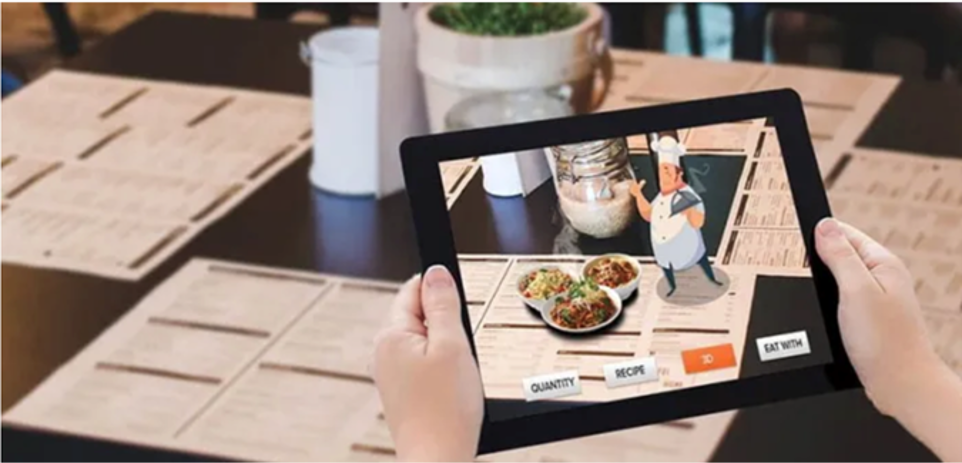
- Visualizing Dishes Before Ordering: One of the most compelling AR applications is the ability for customers to see a 3D virtual representation of their dish before it arrives. Imagine scanning a QR code on a menu and having a realistic, animated model of the "Sizzling Steak with Roasted Vegetables" appear right on your table, allowing you to examine it from all angles. This not only enhances anticipation but also provides clarity, reducing order errors and customer dissatisfaction.
- Detailed Ingredient Information: AR can overlay nutritional facts, allergen warnings, and ingredient sourcing details directly onto the menu item, empowering health-conscious diners and those with dietary restrictions. This transparency builds trust and improves the overall dining experience.
- Upselling and Recommendations: Restaurants can use AR to highlight specials, suggest wine pairings, or recommend desserts, all presented in an engaging, interactive format that encourages exploration and boosts average check sizes.
Gamified Experiences and Immersive Dining
AR isn't just about information; it's about entertainment. Restaurants are leveraging AR to create gamified dining experiences that captivate audiences, especially families and younger demographics. Imagine a themed restaurant where characters from a story pop up on your table, interacting with your food or engaging you in a mini-game. This adds a unique, memorable layer to the meal, encouraging repeat visits and social sharing.
- Tabletop Projections: Some high-end establishments use AR projectors to transform the dining table into a dynamic canvas, displaying animations, virtual aquariums, or even interactive games that respond to diners' movements or the placement of dishes. This creates a truly immersive dining experience that goes beyond just the food.
- Brand Storytelling: AR offers a powerful medium for restaurants and food brands to tell their story. Scan a logo on a plate or a food package, and an AR experience could reveal the farm where the ingredients were sourced, the chef's inspiration, or the brand's heritage, fostering a deeper connection with the consumer.
Augmented Reality for Operational Efficiency and Food Safety
Beyond the customer front, AR is proving invaluable in back-of-house operations, enhancing kitchen efficiency, ensuring food safety protocols, and optimizing internal processes. This leads to reduced waste, improved quality control, and a more productive workforce.
Streamlining Kitchen Management and Food Preparation
- Guided Cooking and Assembly: Chefs and kitchen staff can use AR smart glasses or tablets to receive step-by-step instructions overlaid onto their workspace. This is particularly useful for complex recipes, new hires, or maintaining consistency across multiple locations. AR can highlight ingredients, show exact measurements, and guide through cooking times, significantly reducing errors and training overheads.
- Inventory Management and Waste Reduction: AR can assist with real-time inventory checks. By scanning storage areas, staff can get instant updates on stock levels, expiry dates, and optimal storage conditions, helping to minimize spoilage and optimize ordering. This contributes directly to food waste reduction efforts.
- Equipment Maintenance and Troubleshooting: Technicians can use AR overlays to visualize internal components of kitchen equipment, access digital manuals, and receive remote assistance, expediting repairs and minimizing downtime.
Enhancing Food Safety and Quality Control
Maintaining stringent food safety standards is paramount in the food industry. AR provides innovative tools to enforce these standards and improve quality control at every stage.
- Hygienic Practices Guidance: AR applications can provide visual reminders and checklists for handwashing, sanitization procedures, and cross-contamination prevention, ensuring staff adhere strictly to health regulations.
- Temperature Monitoring and Logging: AR-enabled devices can overlay temperature readings directly onto food items or refrigeration units, with automated logging to ensure compliance and identify potential hazards in real-time.
- Quality Assurance Inspections: During food preparation or packaging, AR can highlight defects, ensure correct portioning, or verify packaging integrity, acting as an additional layer of quality assurance. This leads to a more consistent and higher-quality end product for the consumer.
AR in Supply Chain, Logistics, and Retail
The journey of food from farm to fork is complex, involving numerous touchpoints. AR offers powerful solutions for optimizing supply chain transparency, improving logistics, and enhancing the retail experience.
Traceability and Transparency
Consumers are increasingly demanding to know the origin of their food. AR can provide unprecedented levels of ingredient traceability and transparency.
- Farm-to-Table Visualization: Imagine scanning a product in a grocery store and an AR experience popping up, showing you the farm where it was grown, the farmers who cultivated it, and its journey to the shelf. This builds trust and adds significant value to the product.
- Blockchain Integration: When combined with blockchain technology, AR can provide a secure and verifiable digital overlay, confirming the authenticity and journey of food products, combating counterfeiting, and ensuring ethical sourcing.
Warehouse Operations and Logistics Optimization
In warehouses and distribution centers, AR smart glasses can guide workers through picking, packing, and sorting tasks, improving accuracy and speed.
- Hands-Free Picking: Workers wearing AR glasses receive visual cues for item locations, quantities, and optimal routes, freeing their hands for physical tasks. This significantly boosts efficiency and reduces picking errors.
- Loading and Unloading Guidance: AR can provide visual instructions for optimal truck loading, ensuring maximum capacity utilization and proper weight distribution, leading to more efficient transportation.
- Real-time Inventory Updates: As items are moved, AR can instantly update inventory systems, providing accurate, real-time data crucial for efficient logistics and preventing stockouts.
Enhanced Retail Experiences
In grocery stores and supermarkets, AR can transform the shopping experience.
- Smart Shopping Carts: AR-enabled carts could guide shoppers to specific items, highlight promotions, or provide recipe suggestions based on items in their cart.
- Product Information Overlays: Shoppers can scan products to instantly view nutritional information, reviews, recipe ideas, or even virtual try-on for food packaging concepts, aiding purchasing decisions.
Marketing, Brand Engagement, and Training with AR
AR is not just an operational tool; it's a powerful marketing channel and an effective training aid for the food industry.
Innovative Marketing and Brand Storytelling
AR offers unique ways for food brands to connect with consumers, tell their story, and create memorable campaigns. From virtual tastings to interactive packaging, the possibilities are vast.
- Interactive Packaging: Food packaging can come alive with AR. Scan a cereal box to play a game, or a wine bottle to learn about its vineyard and pairing suggestions. This transforms passive packaging into an engaging brand experience.
- Virtual Try-Ons and Tastings: While not a true taste, AR can simulate a product experience. Imagine using an AR app to virtually "place" a new pizza flavor on your table or see how a new drink looks in a glass. Brands can also create virtual tastings where AR provides visual and auditory cues to enhance the perception of taste.
- Social Media Filters and Campaigns: AR filters on platforms like Instagram and Snapchat allow brands to create fun, shareable content that promotes their products, driving customer engagement and brand visibility.
Efficient Staff Training and Education
Training new staff or upskilling existing employees in the food industry can be resource-intensive. AR provides an immersive, hands-on approach to learning.
- Procedural Guidance: AR can overlay step-by-step instructions for preparing complex dishes, operating machinery, or following safety protocols, allowing staff to learn by doing without needing constant supervision. This is particularly useful for staff training in new recipes or kitchen layouts.
- Safety Simulations: Staff can participate in virtual simulations of emergency procedures or hazardous situations, learning how to react safely in a controlled environment.
- Remote Assistance: Expert chefs or technicians can provide remote guidance to staff in different locations, projecting visual instructions or annotations onto the trainee's field of view through AR glasses, ensuring consistent quality and rapid problem-solving.
The Future of AR in Food: Challenges and Opportunities
While the potential of augmented reality in the food industry is immense, its widespread adoption faces challenges, including the cost of hardware, the need for robust software development, and user acceptance. However, as technology advances and becomes more accessible, these hurdles are diminishing, paving the way for even more innovative applications. The convergence of AR with AI, IoT, and 5G will unlock unprecedented capabilities, leading to truly smart kitchens, hyper-personalized dining, and fully transparent supply chains. Businesses that proactively explore and integrate AR now will be at the forefront of this culinary innovation, ready to capture future market share and deliver unparalleled value to their customers.
Frequently Asked Questions
How does Augmented Reality enhance customer experience in restaurants?
Augmented Reality significantly enhances customer experience by offering interactive menus that allow diners to visualize dishes in 3D before ordering, complete with nutritional information and allergen details. It can also create immersive dining experiences through tabletop projections and gamified interactions, turning a meal into a memorable event. This leads to increased satisfaction, reduced order errors, and a unique selling proposition for the restaurant.
What are the primary benefits of using AR for food safety?
AR plays a crucial role in bolstering food safety by providing visual guidance for hygienic practices, such as handwashing and sanitization, directly to kitchen staff. It can also facilitate real-time temperature monitoring and logging of food items and storage units, ensuring compliance and immediate identification of potential hazards. Furthermore, AR aids in quality control during preparation and packaging, minimizing defects and ensuring product consistency.
Can small food businesses realistically implement Augmented Reality?
Yes, smaller food businesses can absolutely leverage Augmented Reality. While high-end immersive dining setups might be costly, simple AR applications like QR code-triggered interactive menus or AR-enabled social media filters are increasingly affordable and accessible. Many platforms offer user-friendly tools for creating basic AR experiences without extensive coding knowledge. Focusing on specific, high-impact applications, such as enhanced product visualization or engaging marketing campaigns, can provide significant returns for small businesses.
How does AR contribute to supply chain transparency in the food industry?
AR significantly boosts supply chain transparency by allowing consumers and businesses to trace food products from farm to fork. By scanning a product or its packaging, users can access an AR overlay displaying detailed information about its origin, processing, and journey. This ingredient traceability builds consumer trust, verifies ethical sourcing, and can even integrate with blockchain technology to provide immutable records, ensuring authenticity and combating food fraud.

0 Komentar