
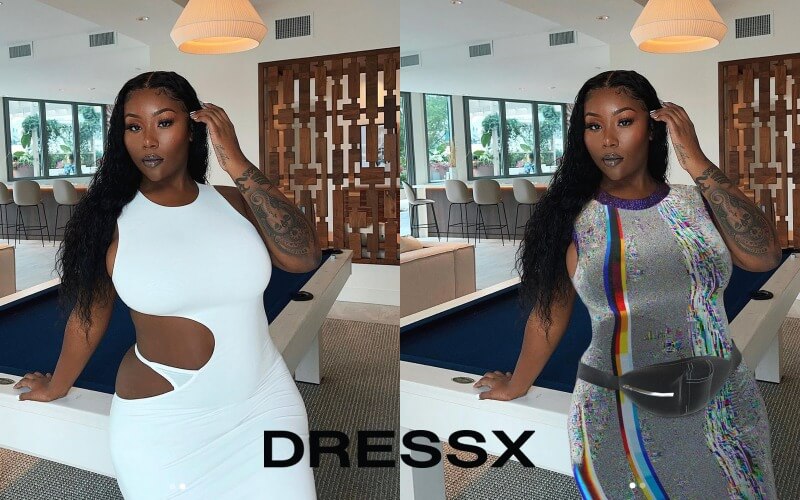
Augmented Reality for Fashion and Apparel: Revolutionizing Retail and Customer Experience
Step into the future of retail as augmented reality for fashion and apparel emerges as a groundbreaking force, reshaping how consumers interact with clothing and accessories. This immersive technology is not merely a fleeting trend but a fundamental shift, offering unparalleled opportunities for brands to enhance the customer experience, drive engagement, and optimize sales in an increasingly digital world. Discover how AR is transforming everything from virtual try-ons to interactive product showcases, setting new standards for convenience and personalization in the fashion industry.
The Transformative Power of AR in Fashion
The fashion industry, historically reliant on physical interaction, is now embracing digital innovation with open arms. Augmented reality (AR) stands at the forefront of this revolution, bridging the gap between the tangible and the virtual. Unlike virtual reality (VR) which creates entirely artificial environments, AR overlays digital information onto the real world, allowing users to see and interact with virtual garments and accessories in their own space. This capability is proving invaluable for fashion and apparel brands seeking to offer more dynamic and engaging ways for customers to explore their collections.
Virtual Try-On: Revolutionizing the Fitting Room
- Enhanced Customer Confidence: The most prominent application of AR in fashion is the virtual try-on feature. Customers can use their smartphone or computer camera to "wear" digital versions of clothing, seeing how an item looks on their body without physically trying it on. This eliminates guesswork, reducing purchase anxiety and increasing buyer confidence.
- Reduced Returns: A significant pain point for online retailers is the high volume of returns due to incorrect fit or appearance. By allowing customers to visualize products more accurately, AR try-on solutions can drastically lower return rates, saving brands considerable costs and improving operational efficiency.
- Accessibility and Convenience: Shoppers can try on dozens of outfits from the comfort of their home, at any time. This unparalleled convenience makes shopping more accessible for everyone, especially those with busy schedules or limited access to physical stores.
Immersive Shopping Experiences Beyond the Rack
Beyond individual try-ons, AR facilitates truly immersive shopping experiences. Brands are leveraging AR to create virtual showrooms, interactive product displays, and engaging campaigns that captivate audiences. Imagine walking through a digital pop-up store from your living room, or scanning a magazine ad to see a 3D model of a new handbag appear on your table. This level of interaction fosters deeper brand engagement and creates memorable moments for consumers.
For instance, some forward-thinking brands are even experimenting with digital fashion where consumers can purchase virtual garments for their avatars in metaverse platforms or to wear in AR filters on social media. This new frontier opens up entirely new revenue streams and marketing avenues, pushing the boundaries of what apparel can be.
Key Applications of Augmented Reality in Apparel
The versatility of AR extends far beyond the virtual fitting room, impacting various stages of the fashion lifecycle from design to post-purchase engagement. Its ability to visualize and interact with products in a real-world context offers unique advantages.
Enhanced Product Visualization and Storytelling
- 3D Models and Textures: AR allows brands to showcase their products as high-fidelity 3D models, complete with realistic textures, drapes, and movements. This level of detail surpasses traditional 2D images or videos, giving customers a much clearer understanding of the garment's quality and appearance.
- Interactive Product Information: By pointing a device at a physical product, customers can access overlaid digital information such as fabric composition, ethical sourcing details, styling tips, or customer reviews. This enriches the shopping experience and empowers consumers with more informed decisions.
- Brand Storytelling: AR can be used to tell compelling stories about a brand's heritage, design inspiration, or sustainability efforts. Imagine scanning a clothing tag and watching a short AR video about the artisans who crafted the piece, fostering a deeper emotional connection with the brand.
Personalized Customer Journeys and AI Integration
When combined with artificial intelligence (AI), augmented reality can deliver highly personalized experiences. AI algorithms can analyze a customer's body shape, style preferences, and purchase history to offer tailored AR-powered recommendations. For example, an AR app might suggest specific sizes or styles that are most likely to flatter a user, or recommend complementary accessories to complete an outfit. This fusion of technologies elevates the entire customer journey, making it more intuitive and satisfying.
Bridging Online and Offline Retail: The Phygital Experience
AR is a powerful tool for creating seamless phygital experiences that blend the best of online and offline shopping. In brick-and-mortar stores, AR mirrors can allow shoppers to virtually try on clothes without entering a changing room, reducing wait times and increasing efficiency. Pop-up AR installations can draw crowds and create buzz around new collections. This integration helps physical stores remain relevant and exciting in the digital age, offering unique interactive elements that can't be replicated online.
Conversely, online, AR brings a tangible element to digital shopping, making it feel more like a physical store visit. This dual benefit contributes significantly to the ongoing retail innovation within the fashion sector.
Benefits for Fashion Brands and Consumers
The adoption of augmented reality in the fashion and apparel industry presents a win-win scenario for both businesses and their clientele.
For Fashion Brands: A Strategic Advantage
- Increased Sales Conversion: By providing a clearer visualization and reducing purchase uncertainty, AR directly contributes to higher conversion rates on e-commerce platforms.
- Reduced Operational Costs: Lower return rates mean less expense on reverse logistics, shipping, and handling.
- Enhanced Brand Loyalty and Engagement: Interactive and personalized experiences foster deeper connections with customers, leading to repeat purchases and stronger brand advocacy.
- Valuable Data Insights: AR platforms can collect data on customer preferences, virtual try-on behavior, and product interaction, providing actionable insights for design, inventory, and marketing strategies. This contributes to overall e-commerce transformation.
- Competitive Differentiation: Brands that embrace AR early gain a significant competitive edge, positioning themselves as innovators and leaders in the market.
- Sustainability Contributions: By reducing returns and potentially aiding in virtual prototyping, AR can contribute to more sustainable fashion practices, aligning with growing consumer demand for eco-conscious brands.
For Consumers: A Superior Shopping Experience
- Unparalleled Convenience: Try on clothes anytime, anywhere, without the hassle of physical fitting rooms.
- Informed Decision-Making: See how items look on you before buying, leading to greater satisfaction and fewer disappointing purchases.
- Engaging and Fun: AR makes shopping an interactive and enjoyable experience, transforming a transactional activity into an entertaining one.
- Personalization: Receive tailored recommendations and styling advice based on your unique profile.
- Accessibility: Overcomes geographical barriers and physical limitations, making fashion more accessible to a wider audience.
Implementing AR in Your Fashion Business: Practical Steps
For fashion and apparel brands considering integrating AR, a strategic approach is crucial to ensure successful deployment and maximum return on investment.
Choosing the Right AR Solution and Partner
- Define Your Goals: What do you want AR to achieve? Is it primarily for virtual try-on, marketing campaigns, or internal design processes? Clear objectives will guide your technology choice.
- Evaluate AR Platforms: Research various AR SDKs (Software Development Kits) and platforms. Consider factors like ease of integration, scalability, cost, and the quality of their 3D rendering capabilities. Some solutions are app-based, while others leverage WebAR (browser-based AR) for broader accessibility.
- Partner with Experts: Unless you have in-house AR development expertise, collaborate with specialized AR development agencies or technology providers. Look for partners with a proven track record in the fashion industry and strong capabilities in creating realistic 3D models of garments.
Integrating AR into E-commerce and Marketing
Seamless integration is key to user adoption. Ensure your chosen AR solution can be easily embedded into your existing e-commerce platform (e.g., Shopify, Magento) or mobile application. The user interface should be intuitive and the experience frictionless. Don't forget to:
- Optimize for Mobile: Most AR interactions happen on smartphones, so ensure your AR features are highly optimized for mobile performance and user experience.
- Showcase AR Prominently: Clearly promote your AR capabilities on your website, product pages, and social media channels. Use compelling visuals and clear instructions to encourage users to try the feature.
- Gather Feedback: Implement mechanisms to collect user feedback on the AR experience. Use this data to iterate and improve your AR offering continually.
Challenges and Future Outlook of AR in Fashion
While the potential of augmented reality in fashion is immense, there are still challenges to address, and the technology continues to evolve rapidly.
Overcoming Hurdles and Ensuring Adoption
- Technical Fidelity: Achieving hyper-realistic 3D models and accurate virtual try-on experiences requires sophisticated technology and precise measurements. Ensuring the virtual garment drapes and moves naturally on different body types is a significant technical challenge.
- User Adoption: While younger demographics are quick to adopt new technologies, educating a broader audience on how to use AR features effectively remains important.
- Data Privacy: As AR solutions often involve camera access and potentially body scanning, ensuring robust data privacy and security measures is paramount to build user trust.
- Integration Complexity: Integrating AR into existing IT infrastructures can be complex and requires careful planning and resources.
The Road Ahead: Innovation and Expansion
The future of augmented reality for fashion and apparel is incredibly bright. We can anticipate several key developments:
- WebAR Dominance: As WebAR technology matures, allowing AR experiences directly through web browsers without app downloads, adoption will skyrocket due to its sheer accessibility.
- Haptic Feedback and Multi-Sensory AR: Future AR experiences might incorporate haptic feedback, allowing users to "feel" the texture of fabrics virtually, adding another layer of immersion.
- Metaverse Integration: As the metaverse evolves, AR will play a crucial role in enabling users to seamlessly transition between real-world and virtual fashion, purchasing digital wearables for their avatars or blending digital and physical apparel. This represents a significant new frontier for digital fashion.
- AI-Powered Styling Assistants: More sophisticated AI will combine with AR to offer personalized styling advice, suggest outfits based on weather, occasion, or even mood, acting as a personal stylist in your pocket.
- AR in Production and Supply Chain: Beyond consumer-facing applications, AR is increasingly being explored for its potential in design, prototyping, and even warehouse management for supply chain optimization, further streamlining operations within the apparel industry.
The journey of AR in fashion is just beginning. Brands that invest strategically in this technology will not only meet evolving consumer expectations but also redefine the very essence of retail, creating a more interactive, personalized, and efficient future for the industry.
Frequently Asked Questions
What is augmented reality in fashion?
Augmented reality (AR) in fashion refers to the use of technology that overlays digital information, such as 3D models of clothing or accessories, onto a real-world view, typically through a smartphone camera or AR glasses. This allows consumers to virtually "try on" garments, visualize products in their environment, or interact with immersive brand content, blending the physical and digital fashion experience. It significantly enhances the customer experience and drives retail innovation.
How does virtual try-on work for clothes?
Virtual try-on for clothes typically works by utilizing a device's camera (e.g., smartphone, tablet, or AR mirror) to capture the user's image or body shape. Sophisticated algorithms then superimpose a realistic 3D model of the garment onto the user's live video feed. This model is often rendered to simulate fabric drape, texture, and fit as accurately as possible, allowing the user to see how the clothing looks on their own body in real-time. Many solutions also incorporate body scanning or measurement tools for more precise sizing recommendations.
What are the benefits of AR for fashion brands?
For fashion brands, the benefits of adopting AR are multifaceted. These include significantly increased sales conversion rates due to reduced purchase uncertainty, a substantial reduction in product returns (especially for online sales), enhanced brand engagement and loyalty through interactive experiences, and the ability to collect valuable data insights on customer preferences and interactions. AR also offers a powerful way to differentiate from competitors and contribute to more sustainable practices by minimizing physical returns.
Is AR expensive for small fashion businesses?
The cost of implementing AR can vary widely depending on the complexity of the desired features and the chosen platform. While custom-built, high-fidelity AR solutions can be a significant investment, there are increasingly accessible and affordable options for small fashion businesses. Many platforms now offer subscription-based services or templates for virtual try-on and 3D product visualization, making AR more attainable. Focusing on WebAR solutions can also reduce development costs and increase accessibility, proving that augmented reality for fashion and apparel is becoming more democratic.
How will AR impact the future of retail fashion?
AR is poised to profoundly impact the future of retail fashion by making shopping more personalized, convenient, and engaging. It will continue to blur the lines between online and offline shopping, creating seamless phygital experiences. We can expect more sophisticated personalized recommendations, integration with emerging metaverse platforms, and AR-powered tools for sustainable design and supply chain management. AR will transform fashion from a transactional activity into an interactive journey, fundamentally reshaping consumer expectations and industry practices.

0 Komentar