
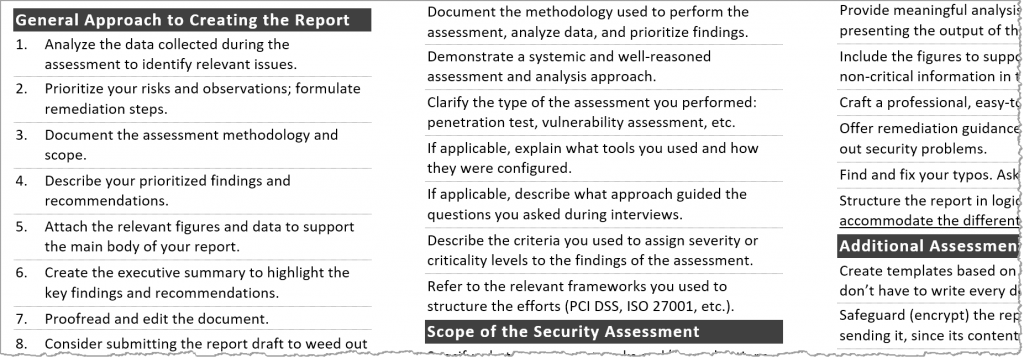
Cybersecurity Vulnerability Assessment Report Example: A Comprehensive Guide to Understanding and Actioning Your Security Findings
In today's interconnected digital landscape, understanding your organization's cybersecurity posture is paramount. A cybersecurity vulnerability assessment report serves as a critical blueprint, outlining the weaknesses that could be exploited by malicious actors. This comprehensive document is far more than just a list of flaws; it's an actionable roadmap for enhancing your digital defenses, ensuring business continuity, and safeguarding sensitive data. By delving into a detailed vulnerability findings report, organizations can proactively identify, prioritize, and remediate security gaps before they lead to costly breaches or compliance failures. This guide will walk you through the essential components of an exemplary report, helping you interpret its findings and transform insights into robust security improvements.
Why a Vulnerability Assessment Report is Crucial for Modern Businesses
The digital world is constantly evolving, and so are the threats within it. A well-executed vulnerability assessment culminates in a report that provides a holistic view of an organization's exposure to cyber risks. It's an indispensable tool for effective risk management, offering several key benefits:
- Proactive Risk Identification: Rather than reacting to an attack, a report helps identify potential weaknesses in systems, applications, and networks before they are exploited. This includes everything from misconfigurations to unpatched software.
- Compliance Adherence: Many regulatory frameworks (e.g., GDPR, HIPAA, PCI DSS, ISO 27001) mandate regular security assessments. The report provides documented evidence of due diligence and helps organizations maintain compliance with industry standards.
- Strategic Resource Allocation: By clearly prioritizing vulnerabilities based on severity and potential impact, the report enables security teams to allocate resources effectively, focusing on the most critical threats first.
- Improved Security Posture: Consistent assessments and subsequent remediation efforts lead to a continuous improvement cycle, strengthening the overall security posture and reducing the organization's attack surface.
- Informed Decision-Making: The report provides leadership with clear, data-driven insights into the organization's security health, supporting informed decisions regarding security investments and strategies.
Without a clear, actionable report, an organization is essentially navigating the treacherous waters of cyber threats blindfolded. It's the cornerstone of any mature cybersecurity program.
Key Components of an Exemplary Cybersecurity Vulnerability Assessment Report
While specific formats may vary, a robust cybersecurity vulnerability assessment report example will typically include several core sections, each serving a distinct purpose. Understanding these components is vital for both technical teams and executive leadership.
1. Executive Summary
The executive summary is arguably the most critical section for non-technical stakeholders, particularly leadership. It provides a high-level overview of the assessment's findings, without diving into excessive technical jargon. It should clearly state:
- Purpose and Scope: A brief description of what was assessed and why.
- Key Findings: A summary of the most critical vulnerabilities discovered, often presented with their severity levels (e.g., "3 critical, 7 high, 15 medium").
- Overall Risk Assessment: An evaluation of the organization's current cyber risk level based on the findings.
- Strategic Recommendations: High-level, actionable advice for improving security, often emphasizing the most urgent areas requiring attention. This section should answer the "what does this mean for us?" question for executives.
Example phrasing: "This assessment identified several critical vulnerabilities, primarily related to unpatched server software and weak access controls, posing a significant risk to sensitive customer data. Immediate remediation of these issues is recommended to enhance our overall security posture and maintain regulatory compliance."
2. Scope and Methodology
This section details the boundaries of the assessment and the techniques used. Clarity here ensures transparency and helps validate the findings.
- Scope Definition: Clearly outlines the systems, networks, applications, and physical locations included in the assessment. Was it an internal network scan, an external web application assessment, or a review of specific cloud infrastructure?
- Assessment Type: Specifies whether it was a black-box (no prior knowledge), white-box (full knowledge), or gray-box (partial knowledge) assessment.
- Methodology Employed: Describes the tools and techniques used. This often includes automated vulnerability scanning tools (e.g., Nessus, Qualys, OpenVAS), manual review processes, configuration audits, and sometimes even aspects of social engineering, depending on the scope. It's important to distinguish between a pure vulnerability assessment and a full penetration testing engagement here, as their methodologies and outputs differ.
- Assessment Dates: When the assessment was conducted.
Understanding the methodology helps stakeholders comprehend the depth and breadth of the discovered vulnerabilities.
3. Detailed Technical Findings
This is the core of the report for technical teams. Each identified vulnerability is meticulously documented, providing enough detail for engineers to understand and address the issue.
- Vulnerability ID: A unique identifier for the specific finding.
- Vulnerability Name/Description: A clear, concise explanation of the vulnerability (e.g., "SQL Injection Vulnerability," "Outdated Apache Web Server").
- Affected Assets: Specifies the exact systems, IPs, URLs, or components where the vulnerability was found. This is crucial for targeted remediation.
- Severity Rating: Typically uses the Common Vulnerability Scoring System (CVSS) to assign a numerical score and qualitative severity (Critical, High, Medium, Low, Informational). CVSS considers factors like exploitability, impact on confidentiality, integrity, and availability.
- Proof of Concept (PoC) / Evidence: Screenshots, log entries, or code snippets that demonstrate the existence of the vulnerability. This helps validate the finding and aids in replication.
- Potential Impact: Explains the real-world consequences if the vulnerability were exploited (e.g., "unauthorized data access," "system downtime," "remote code execution").
This section is where the raw data from vulnerability scanning tools and manual analysis is presented in an organized, digestible format. It's the bread and butter for security analysts and developers.
4. Risk Prioritization and Remediation Recommendations
A list of vulnerabilities without prioritization and actionable advice is largely useless. This section transforms raw findings into a strategic remediation plan.
- Risk Prioritization: Goes beyond just CVSS scores. It combines the technical severity with the business impact and likelihood of exploitation. For instance, a medium-severity vulnerability on a critical production server might be prioritized higher than a high-severity one on a non-production test environment. This is where true risk management principles come into play.
- Specific Remediation Steps: For each vulnerability, clear, step-by-step instructions on how to fix it. This might include:
- Patch Management: Apply the latest security patches or updates.
- Configuration Changes: Modify system settings, firewall rules, or access control lists.
- Code Fixes: Provide guidance for developers on how to fix insecure code.
- Workarounds: Temporary mitigations if a full fix isn't immediately possible.
- Resource Links: References to vendor advisories, CVE (Common Vulnerabilities and Exposures) entries, or best practice guides that provide more context or detailed instructions.
- Recommendations for Future Prevention: Advice on how to prevent similar vulnerabilities from recurring, such as implementing secure coding practices, regular security awareness training, or continuous monitoring.
This section is where the report truly becomes an actionable document, guiding the organization towards a stronger cyber risk assessment and mitigation strategy.
5. Appendices (Optional but Recommended)
The appendices provide supplementary information that supports the main findings but isn't critical for initial understanding.
- Raw Scan Data: Full output from automated vulnerability scanning tools.
- Network Diagrams: Visual representations of the assessed network architecture.
- Glossary of Terms: Definitions of technical terms used in the report.
- Tooling Used: A list of all tools and software utilized during the assessment.
From Report to Action: Implementing Remediation and Improving Security Posture
Receiving a cybersecurity vulnerability assessment report example is only the first step. The true value lies in the subsequent actions taken. This involves a cyclical process of remediation, verification, and continuous improvement.
- Review and Understand: The security team, alongside relevant IT and development teams, must thoroughly review the report. Ensure everyone understands the identified vulnerabilities, their severity, and the recommended fixes.
- Prioritize Remediation: Based on the report's risk prioritization, create a clear action plan. Address critical and high-severity vulnerabilities first, especially those impacting business-critical assets. This is where effective risk management strategies are applied.
- Implement Fixes: Execute the recommended remediation steps. This could involve applying patches, reconfiguring systems, updating firewalls, or rewriting insecure code. Emphasize the importance of a robust patch management program.
- Retest and Verify: After implementing fixes, conduct re-assessments or targeted scans to verify that the vulnerabilities have indeed been closed. This step is crucial to confirm the effectiveness of the remediation efforts and ensure no new issues were introduced.
- Document and Communicate: Keep detailed records of all remediation activities. Communicate progress and outcomes to relevant stakeholders, including management and compliance officers. This documentation is essential for future security audits.
- Continuous Improvement: Use the findings to improve your overall security processes. This might involve updating security policies, enhancing developer training, or investing in new security technologies. A robust threat intelligence program can further enhance proactive defense.
Ignoring a vulnerability assessment report is akin to ignoring a doctor's diagnosis. The problems won't go away; they'll likely worsen. Organizations must foster a culture where security findings are embraced as opportunities for growth and resilience, leading to a stronger overall security posture.
Common Mistakes to Avoid When Interpreting and Acting on a Report
Even with a perfectly structured vulnerability findings report, organizations can stumble. Awareness of common pitfalls can help ensure the assessment's maximum impact.
- Ignoring the Executive Summary: Leadership might bypass the summary, leading to a lack of understanding regarding overall risk and strategic implications.
- Focusing Only on Criticals: While critical vulnerabilities demand immediate attention, neglecting high or even medium-severity issues can leave significant gaps in the attack surface, especially if they can be chained together.
- Lack of Ownership: Without clear assignment of responsibilities for each remediation task, fixes can be delayed or fall through the cracks.
- Underestimating Remediation Time/Cost: Fixing vulnerabilities, especially in complex environments, can be time-consuming and resource-intensive. Proper planning and budgeting are essential.
- Failing to Retest: Assuming a fix worked without verification is a dangerous gamble. Retesting confirms the vulnerability is closed and no new issues were created.
- Treating it as a One-Off Event: Cybersecurity is an ongoing process. A single report is a snapshot in time. Regular, scheduled assessments are vital for maintaining a strong security posture.
Frequently Asked Questions
What is the primary difference between a vulnerability assessment report and a penetration test report?
A vulnerability assessment report focuses on identifying and listing potential weaknesses (vulnerabilities) within a system, often using automated tools and manual checks. It provides a comprehensive list of security flaws and their severity. In contrast, a penetration testing report goes a step further: it attempts to actively exploit those vulnerabilities to demonstrate what an attacker could achieve. A pen test report not only lists vulnerabilities but also shows the paths an attacker could take, often highlighting chained exploits and the actual business impact of a successful breach. While a vulnerability assessment identifies "what could be broken," a penetration test shows "how it can be broken and what impact it would have."
How often should an organization conduct a cybersecurity vulnerability assessment and receive a report?
The frequency depends on several factors, including regulatory requirements, the organization's risk tolerance, the dynamic nature of its IT environment, and recent changes. Generally, it's recommended to conduct comprehensive vulnerability assessments at least annually. However, more frequent assessments (quarterly or even monthly) are advisable for critical systems, after significant infrastructure changes, or in response to new, high-profile threats. Continuous vulnerability scanning can also provide ongoing insights into your security posture.
Can a small business benefit from a comprehensive vulnerability assessment report example?
Absolutely. While the scale might differ, the principles remain the same. Small businesses often have fewer dedicated IT security resources, making them particularly vulnerable. A well-structured vulnerability findings report provides them with a clear understanding of their risks and actionable steps to improve their defenses, often at a more affordable cost than reacting to a breach. It's a proactive measure that can save significant resources and reputation damage in the long run, helping them establish a foundational cyber risk assessment process.

0 Komentar