
How to Create a Virtual Meeting Background: Your Ultimate SEO-Optimized Guide to Professional Online Presence
In today's fast-paced digital landscape, mastering your online presence is no longer optional—it's essential. A powerful way to elevate your professional image during video conferencing and remote meetings is by utilizing a well-crafted virtual meeting background. This comprehensive guide will walk you through everything you need to know about how to create a virtual meeting background that not only looks great but also enhances your professionalism, maintains privacy, and even boosts your brand consistency. Dive in to transform your digital backdrop and leave a lasting impression.
Why Your Virtual Meeting Background Matters for Your Online Presence
The space behind you during a video call speaks volumes. It can convey professionalism, creativity, or, conversely, distraction and disorganization. Understanding the impact of your digital backdrop is the first step towards optimizing your virtual meeting experience. Whether you're a freelancer, a corporate executive, or a student, a thoughtfully chosen background serves multiple critical purposes:
- Professionalism: A clean, appropriate background signals that you take your meetings seriously. It helps project a polished and credible professional image, regardless of your actual physical environment.
- Privacy: Not everyone wants to showcase their home or office space. A virtual background offers a seamless solution for maintaining privacy settings, shielding personal details from colleagues, clients, or classmates.
- Brand Consistency: For businesses and personal brands, a custom background can be a powerful marketing tool. Incorporating your logo, brand colors, or relevant imagery reinforces brand consistency and strengthens recognition during client calls or webinars.
- Minimizing Distractions: A busy or cluttered real-world background can divert attention. A simple, elegant virtual background ensures the focus remains on you and your message, enhancing the overall meeting experience for all participants.
- Enhanced Creativity & Personalization: Beyond professionalism, virtual backgrounds offer a canvas for expressing personality or setting a specific mood for a meeting. From a serene nature scene to a bustling virtual office, the possibilities for a personalized background are endless.
Choosing the Right Type of Virtual Background
Before diving into the "how-to," it's crucial to understand the different types of virtual backgrounds available. Each has its unique benefits and ideal use cases:
1. Static Image Backgrounds
These are the most common and easiest to implement. They are still images that replace your real background.
Pros:
- Simplicity: Easy to find, create, and upload.
- Stability: No movement, ensuring a consistent look.
- Resource-friendly: Low impact on your computer's processing power.
Ideal Use Cases: Professional meetings, interviews, daily stand-ups, or any scenario where a clean, unchanging look is desired.
2. Video Backgrounds
Some platforms allow you to use short video clips as your background, adding a dynamic element to your presence.
Pros:
- Engagement: Can be more visually engaging and memorable.
- Dynamic Feel: Adds a modern, high-tech touch to your online meeting visuals.
Cons:
- Resource Intensive: Requires more processing power and a stable internet connection.
- Potential Distraction: If too busy, can detract from your message.
Ideal Use Cases: Creative presentations, casual team huddles, or when you want to convey a sense of motion or environment without actually being there.
3. Custom Branded Backgrounds
These are static or video backgrounds specifically designed with your company logo, brand colors, or marketing messages.
Pros:
- Marketing Power: Reinforces your brand identity with every call.
- Professionalism: Shows attention to detail and corporate cohesion.
Ideal Use Cases: Client meetings, webinars, press conferences, or internal team meetings to foster a sense of unity and professionalism.
Technical Considerations for a Flawless Virtual Background
Achieving a seamless virtual background isn't just about picking a pretty picture; it involves several technical factors that significantly impact image quality and overall performance.
Optimal Image Resolution and Aspect Ratio
The resolution of your background image or video is paramount. Most video conferencing platforms recommend specific dimensions to avoid pixelation or stretching:
- Standard (16:9) Aspect Ratio: For most modern webcams and monitors, an image with a 16:9 aspect ratio is ideal. Common resolutions include 1280x720 pixels (HD) or 1920x1080 pixels (Full HD). Using higher resolution images will result in a sharper, clearer background.
- File Size: Keep file sizes reasonable. Very large files can slow down your application or cause lag. JPG or PNG formats are generally preferred for images.
- Video Formats: For video backgrounds, MP4 is widely supported. Keep clips short (e.g., 10-30 seconds) and loopable.
The Importance of Lighting Setup
Good lighting setup is arguably the most critical factor for a convincing virtual background, especially if you don't have a green screen.
Key Lighting Tips:
- Front-Facing Light: Ensure your face is well-lit from the front. Avoid strong backlighting (e.g., a bright window behind you), as this can make you appear as a silhouette and confuse the software's background detection algorithms.
- Even Illumination: Aim for consistent, soft lighting across your face and shoulders. Ring lights or softboxes are excellent tools for this.
- Avoid Shadows: Shadows cast on your body or the wall behind you can interfere with the background replacement.
Leveraging Green Screen Technology
While not strictly necessary for all platforms, a physical green screen technology (or blue screen) provides the best results for virtual backgrounds. It allows for precise background replacement and minimizes artifacts around your hair or clothes.
- Uniform Color: Ensure the green screen is evenly lit and free of wrinkles or shadows.
- Distance: Position yourself a few feet away from the green screen to avoid casting shadows on it.
- Clothing: Avoid wearing green or blue clothing if you're using a green or blue screen, respectively, as you might blend into the background!
Optimizing Your Computer's Performance
Running a virtual background, especially a video one, requires some processing power.
Tips for Performance:
- Close Unnecessary Apps: Free up RAM and CPU cycles by closing other applications running in the background.
- Update Drivers: Ensure your graphics card drivers are up to date.
- Check System Requirements: Verify that your computer meets the minimum system requirements for virtual backgrounds on your chosen platform. Many platforms require specific CPU generations or integrated graphics cards for background blurring or replacement without a green screen.
Step-by-Step Guide: Creating a Virtual Meeting Background on Popular Platforms
While the principles remain similar, the exact steps to implement a virtual background vary slightly across different video conferencing platforms. Here's a breakdown for the most popular ones:
1. How to Create a Virtual Meeting Background in Zoom
Zoom is renowned for its robust virtual background features.
- Prepare Your Image/Video: Ensure your desired image or video meets Zoom's recommended specifications (16:9 aspect ratio, 1920x1080px for images, MP4 or MOV for videos).
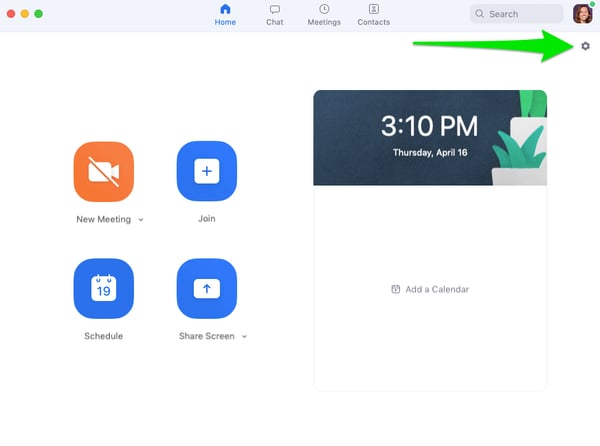
- Open Zoom Settings: While in a meeting or from the Zoom desktop client, click on your profile picture, then "Settings."
- Navigate to Background & Filters: In the settings menu, select "Background & Filters."
- Add Your Background: Click the " + " icon next to "Choose Virtual Background" to add your own image or video from your computer.
- Select & Apply: Choose the newly added background. If you have a green screen, check the "I have a Green Screen" box for better performance.
- Adjust as Needed: Ensure your lighting is good and you're well-framed.
Pro Tip: Zoom also offers a "blur" option if you prefer to simply obscure your real background without replacing it with an image.
2. How to Create a Virtual Meeting Background in Microsoft Teams
Microsoft Teams offers background effects, including blurring and custom images.
- Start or Join a Meeting: Before joining or during a meeting, click on the "Background filters" icon (a person icon with a blurred background).
- Choose Your Effect: You can select "Blur" or choose from a gallery of pre-set images.
- Upload Custom Background: To upload your own, click "Add new" and select an image from your computer. Teams supports JPG, PNG, and BMP formats.
- Apply: Click "Apply" to see the effect in real-time.
Note: Teams might be more sensitive to lighting and background uniformity if you don't have a strong CPU or a green screen.
3. How to Create a Virtual Meeting Background in Google Meet
Google Meet has integrated background features directly into its interface.
- Join a Meeting: Before joining a meeting, click the "Change background" icon on your self-view tile.
- Select or Upload: You can choose from pre-set images, blur your background, or click "Upload an image" to add your own.
- In-Meeting Change: During a meeting, click the three-dot menu ("More options"), then "Apply visual effects."
- Confirm: Your chosen background will be applied instantly.
Insight: Google Meet's background replacement relies heavily on AI and sufficient processing power for optimal results without a green screen.
4. How to Create a Virtual Meeting Background in Webex
Cisco Webex also provides options for virtual backgrounds and blurring.
- Join or Start a Meeting: Before joining, click the "Change background" icon in your video preview.
- Select Option: Choose from "Blur," a pre-selected image, or "Add new" to upload your own.
- During a Meeting: Click the "Video" icon on the bottom panel, then "Change virtual background."
- Apply: Your selection will take effect immediately.
Best Practices for Selecting and Designing Your Custom Background
Creating a truly effective custom background goes beyond technical setup. Thoughtful design and selection enhance your overall remote meeting aesthetic.
- Keep it Simple and Uncluttered: Avoid busy patterns or too many elements. The background should complement you, not compete for attention. Think minimalist design for optimal focus.
- Reflect Your Purpose:
- For professional calls, consider a clean office setting, a subtle branded backdrop, or a neutral color gradient.
- For creative or casual meetings, a stylized home office, a library, or a tasteful outdoor scene might be appropriate.
- Consider Color Palette: Choose colors that are easy on the eyes and don't clash with your skin tone or clothing. Neutral tones, soft blues, greens, or grays often work well.
- Branding Elements: If including a logo, ensure it's positioned clearly and doesn't obstruct your face or body. Test it to confirm it's not mirrored incorrectly by the software.
- Image Quality is Key: Always use high-resolution images. Blurry or pixelated backgrounds look unprofessional and detract from your credibility.
- Test, Test, Test: Always do a test call before an important meeting. Check how you look, how the background appears, and if there are any glitches. This helps ensure a smooth virtual office experience.
- Consistency (if part of a team): For organizations, establishing a standard set of approved backgrounds can reinforce brand consistency across all team members.
Troubleshooting Common Virtual Background Issues
Even with the best preparation, you might encounter issues. Here's how to address some common problems:
- "Ghosting" or Blurry Edges Around You: This often happens when lighting is poor, or your computer lacks sufficient processing power for precise background detection.
- Solution: Improve front-facing lighting, ensure even illumination, and consider using a physical green screen if issues persist. Close other demanding applications.
- Background Disappearing or Flashing: This can be due to an unstable internet connection, an overly busy video background, or insufficient system resources.
- Solution: Check your internet connection. Use a static image instead of a video. Reduce the resolution of your background image/video.
- Background Not Showing Up as an Option: Your software might be outdated, or your system doesn't meet the minimum requirements.
- Solution: Update your video conferencing software. Check the platform's official support pages for system requirements for virtual backgrounds.
- Image Appears Mirrored: Many platforms show you a mirrored view of yourself, but the background appears correctly to others. If your logo or text is backward for others, check the platform's settings for a "mirror my video" option and adjust accordingly.
Frequently Asked Questions
What is the ideal image size for a virtual meeting background?
For most video conferencing platforms, the ideal image size for a virtual meeting background is 1920 pixels wide by 1080 pixels high, which corresponds to a 16:9 aspect ratio. This resolution ensures a sharp, clear image on most screens without being overly large in file size. Always aim for high-resolution images to prevent pixelation and maintain a professional look for your digital backdrop.
Can I use a virtual background without a green screen?
Yes, most modern video conferencing platforms like Zoom, Microsoft Teams, and Google Meet allow you to use a virtual meeting background without a physical green screen. These platforms utilize advanced AI and machine learning to distinguish you from your real background. However, for the best results—especially with complex hair or clothing—a dedicated green screen technology will provide a cleaner, more seamless effect and is highly recommended.
How can I make my custom virtual background look more professional?
To make your custom background look more professional, focus on simplicity and relevance. Choose a high-resolution image that is uncluttered and visually appealing, such as a clean office space, a subtle branded design, or a neutral textured wall. Ensure your lighting is excellent, illuminating you from the front. Avoid busy patterns, personal photos, or anything that could distract from your message. Consistent branding and a minimalist approach will significantly enhance your professional image.
Do virtual backgrounds consume a lot of computer resources?
Yes, using a virtual meeting background, especially video backgrounds or those without a green screen, can consume a significant amount of your computer's CPU and RAM. The software needs to constantly process your video feed to differentiate you from your background in real-time. If your computer is older or has limited resources, you might experience lag, choppy video, or a decrease in overall performance. Opting for a static image background or using a physical green screen can help reduce the resource load and improve your video conferencing experience.
What are common mistakes to avoid when using a virtual background?
When creating a virtual meeting background, avoid using low-resolution or pixelated images, which appear unprofessional. Steer clear of overly busy or distracting backgrounds that draw attention away from you. Do not use backgrounds with text or logos that appear mirrored to others. Ensure your lighting is adequate and from the front, as poor lighting can lead to "ghosting" or blurry edges around you. Lastly, always test your chosen digital backdrop before an important call to ensure it looks as intended and functions smoothly.

0 Komentar