
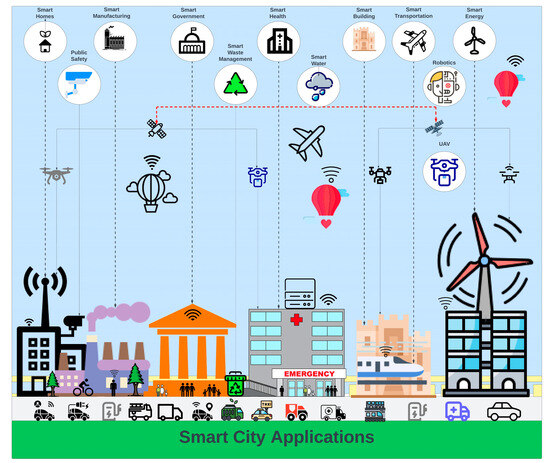
IoT Solutions for Improving Public Transportation Efficiency: A Deep Dive into Smart Urban Mobility
In the rapidly evolving landscape of urban development, the quest for enhanced public transportation efficiency is paramount. Cities worldwide grapple with challenges like traffic congestion, environmental concerns, and the ever-increasing demand for seamless travel. This is precisely where cutting-edge IoT solutions for improving public transportation efficiency emerge as transformative game-changers. By leveraging interconnected devices, sensors, and powerful data analytics, IoT stands poised to revolutionize how we move, making public transit smarter, more reliable, and significantly more user-friendly. This comprehensive guide explores the multifaceted ways the Internet of Things is driving a digital transformation in urban mobility, offering tangible benefits for both operators and commuters.
The Imperative for Smart Public Transportation
Traditional public transportation systems, while foundational to urban life, often struggle with inherent inefficiencies. Issues such as unpredictable schedules, breakdowns, and a lack of real-time information contribute to a suboptimal passenger experience. Furthermore, managing vast fleets, optimizing routes, and reducing operational costs present ongoing hurdles for transit authorities. The need for a paradigm shift is clear, moving from reactive maintenance and static scheduling to proactive, data-driven management.
The Internet of Things provides the framework for this necessary evolution. By embedding sensors and connectivity into vehicles, infrastructure, and even passenger devices, IoT creates a vast network capable of generating immense volumes of real-time data. This data, when properly collected, processed, and analyzed, unlocks unprecedented insights into every facet of a transportation network, paving the way for truly intelligent transportation systems that are responsive, efficient, and sustainable.
Core IoT Solutions Transforming Public Transit Operations
The application of IoT in public transportation is incredibly diverse, touching upon every aspect from fleet management to passenger information. These interconnected solutions work in harmony to create a more integrated and responsive urban mobility ecosystem.
Real-Time Vehicle Tracking and Fleet Management
- Precision GPS and Sensor Integration: Modern public transport vehicles are equipped with GPS trackers and an array of sensors that constantly feed location, speed, and operational data back to a central system. This allows transit operators to monitor their entire fleet management in real-time, identifying bottlenecks, deviations, and potential issues as they arise.
- Dynamic Route Optimization: With real-time traffic data and passenger demand insights from IoT sensors, routes can be dynamically adjusted to bypass traffic congestion, respond to unexpected events, and ensure timely arrivals. This not only improves punctuality but also reduces fuel consumption and operational stress.
- Enhanced Dispatch Efficiency: Dispatchers gain a complete overview of vehicle locations and statuses, enabling more efficient allocation of resources, quicker response to emergencies, and better management of service disruptions. This level of oversight significantly boosts overall operational efficiency.
- Real-time Passenger Information: Data from vehicle tracking is immediately pushed to passenger-facing applications and digital displays at stops, providing accurate estimated times of arrival (ETAs). This transparency significantly improves the passenger experience by reducing anxiety and allowing for better journey planning. Learn more about advanced fleet management systems.
Enhancing Passenger Experience with IoT
Beyond just tracking vehicles, IoT directly enhances the daily commute for passengers, making public transport a more attractive and reliable option.
- Smart Ticketing and Payment Systems: IoT enables seamless, cashless payment options through NFC, QR codes, and mobile apps. These systems can also integrate with broader smart city infrastructure, allowing for unified payment across different modes of transport (buses, trains, ride-shares). This frictionless experience encourages greater adoption of public transit.
- Occupancy Monitoring and Management: Sensors within vehicles can detect passenger count, providing real-time information on seat availability. This data can be displayed to passengers via apps, helping them choose less crowded routes or vehicles, and can also inform operators about peak demand times for better resource allocation.
- Personalized Journey Planning: IoT-enabled apps integrate various data streams – real-time vehicle locations, traffic conditions, weather, and even event schedules – to offer passengers personalized, multi-modal journey recommendations. This holistic approach to urban mobility planning empowers commuters.
- In-Vehicle Connectivity and Infotainment: Providing reliable Wi-Fi connectivity and digital information screens within vehicles can significantly improve the passenger experience, making commute time more productive or enjoyable.
Predictive Maintenance and Asset Management
One of the most impactful applications of IoT in public transportation is its ability to shift maintenance from a reactive, scheduled approach to a proactive, predictive one, thereby significantly reducing downtime and costs.
- Continuous Component Monitoring: Sensors embedded in critical vehicle components (engines, brakes, doors, HVAC systems) continuously monitor their performance parameters. This includes temperature, vibration, pressure, and fluid levels.
- Anomaly Detection and Early Warning: Data analytics algorithms process this sensor data, identifying subtle anomalies or deviations from normal operating conditions that could indicate an impending failure. This allows for early warnings before a critical breakdown occurs.
- Optimized Maintenance Schedules: Instead of fixed maintenance schedules, predictive maintenance allows transit operators to service vehicles only when necessary, based on actual component wear and performance. This reduces unnecessary maintenance costs and maximizes vehicle uptime.
- Reduced Downtime and Enhanced Safety: By preventing unexpected breakdowns, IoT-driven predictive maintenance significantly reduces vehicle downtime, improves service reliability, and enhances passenger safety. Discover the benefits of IoT in asset management.
Smart Infrastructure and Traffic Management
IoT extends beyond vehicles to the urban environment itself, creating a truly connected public transport ecosystem.
- Intelligent Traffic Signal Control: Sensors at intersections can detect real-time traffic flow, allowing traffic signals to adapt dynamically, prioritizing public transport vehicles and emergency services, thereby reducing delays and traffic congestion.
- Environmental Monitoring: IoT sensors can monitor air quality and noise levels along transit routes, providing valuable data for urban planning and supporting initiatives for sustainable transportation.
- Smart Bus Shelters and Stations: IoT-enabled shelters can offer digital displays with real-time arrival information, interactive maps, emergency call buttons, and even charging ports, transforming waiting areas into intelligent hubs. Understand how intelligent traffic systems work.
Actionable Strategies for Implementing IoT in Public Transportation
Implementing IoT solutions in large-scale public transportation systems requires careful planning, strategic investment, and a phased approach to ensure success and maximize return on investment.
Phased Implementation Approach
Rather than attempting a complete overhaul, a gradual, iterative approach is often most effective for integrating IoT into existing infrastructure.
- Pilot Projects: Start with small-scale pilot projects focusing on specific pain points, such as real-time bus tracking on a single route or predictive maintenance for a subset of the fleet. This allows for testing, learning, and refining before broader deployment.
- Robust Data Infrastructure: Invest in scalable and secure cloud infrastructure capable of handling the immense volume of real-time data generated by IoT devices. This includes data storage, processing, and analytics capabilities.
- Stakeholder Collaboration: Engage all relevant stakeholders – transit operators, city planners, technology providers, and even passenger groups – from the outset. Their insights are crucial for successful adoption and addressing potential challenges.
Data Security and Privacy Considerations
As IoT systems collect vast amounts of data, ensuring the security and privacy of this information is paramount. Public trust hinges on robust data protection measures.
- End-to-End Encryption: Implement strong encryption protocols for all data in transit and at rest, protecting it from unauthorized access.
- Compliance with Regulations: Adhere strictly to data privacy regulations such as GDPR or CCPA, ensuring transparent data collection practices and giving individuals control over their personal information.
- Access Control and Authentication: Implement stringent access control mechanisms, ensuring that only authorized personnel can access sensitive operational or passenger data.
Choosing the Right IoT Platform and Partners
The success of IoT deployment largely depends on selecting the appropriate technology platform and collaborating with experienced vendors.
- Scalability and Integration: Choose an IoT platform that is scalable to accommodate future growth and easily integrates with existing legacy systems through open APIs.
- Vendor Evaluation: Partner with reputable IoT solution providers who have proven experience in the transportation sector and offer comprehensive support, from deployment to ongoing maintenance.
- Focus on Open Standards: Prioritize solutions that adhere to open standards to avoid vendor lock-in and ensure interoperability with other smart city infrastructure components.
Training and Workforce Adaptation
The introduction of advanced IoT systems requires a workforce that is proficient in new technologies and data-driven operations. Investing in training is crucial.
- Technical Skill Development: Provide comprehensive training programs for maintenance crews, dispatchers, and operational staff on how to use and interpret data from new IoT systems.
- Change Management: Facilitate a smooth transition by clearly communicating the benefits of IoT, addressing concerns, and involving employees in the adoption process to foster a positive attitude towards digital transformation.
The Future Landscape: IoT and Urban Mobility
The integration of IoT solutions for improving public transportation efficiency is not an end in itself but a crucial step towards a more comprehensive vision of urban mobility. As cities continue to evolve, IoT will play an even more central role in creating truly smart and interconnected urban environments.
Future developments will likely see deeper integration with other smart city infrastructure components, such as smart parking, autonomous vehicles, and even drone-based delivery systems. The concept of Mobility-as-a-Service (MaaS), where all forms of transport are integrated into a single, seamless platform, will be heavily reliant on the real-time data and connectivity provided by IoT. Imagine a future where your public transit app not only tells you when your bus arrives but also suggests the optimal combination of bike-share, autonomous shuttle, and train to get you to your destination most efficiently, all powered by a vast network of sensor technology and data analytics.
Frequently Asked Questions
What are the primary benefits of IoT solutions for public transportation?
The primary benefits of IoT solutions for improving public transportation efficiency include significantly enhanced operational efficiency, a superior passenger experience through real-time information, substantial cost savings via predictive maintenance, reduced traffic congestion due to optimized routes, and a positive contribution to sustainable transportation by minimizing fuel consumption and emissions. These solutions lead to more reliable, safer, and user-friendly transit systems.
How does IoT improve passenger safety and security in transit?
IoT enhances passenger safety and security in several ways. Real-time vehicle tracking allows for immediate response to emergencies. Onboard sensors can monitor for unusual activities or potential hazards, while integrated surveillance systems can provide live feeds. Predictive maintenance drastically reduces the risk of mechanical failures that could compromise safety. Furthermore, smart infrastructure like connected streetlights and emergency call points at stations create a safer environment for commuters.
What role does data analytics play in IoT-driven public transportation?
Data analytics is the backbone of effective IoT-driven public transportation. It processes the vast amounts of real-time data collected from sensors and devices to extract actionable insights. This includes identifying patterns for predictive maintenance, optimizing routes based on historical and live traffic data, forecasting passenger demand, assessing operational efficiency, and understanding passenger behavior. Without robust data analytics, the raw data collected by IoT would have limited utility.
What are the main challenges in deploying IoT in public transport systems?
Deploying IoT solutions for improving public transportation efficiency comes with challenges such as the high initial investment in sensor technology and smart city infrastructure, ensuring robust cybersecurity and data privacy, integrating new systems with existing legacy infrastructure, managing the immense volume of real-time data, and the need for significant workforce training and digital transformation initiatives. Overcoming these requires strategic planning and collaboration.
Can IoT solutions help reduce environmental impact in public transportation?
Absolutely. IoT solutions contribute significantly to sustainable transportation. By optimizing routes and reducing idle times, IoT helps minimize fuel consumption and, consequently, greenhouse gas emissions. Predictive maintenance ensures vehicles operate at peak efficiency, further reducing their carbon footprint. Moreover, by making public transport more appealing and efficient, IoT encourages a shift away from private vehicle use, leading to less traffic congestion and improved air quality in urban centers.
Embracing IoT solutions for improving public transportation efficiency is no longer an option but a strategic imperative for modern cities aiming to achieve true urban mobility and sustainable transportation. To explore how these advanced technologies can transform your transit operations, contact our experts today for a comprehensive consultation.

0 Komentar