
Powering Urban Intelligence: The Role of IoT Platforms in Smart City Solutions
In an era defined by rapid urbanization and technological advancement, the concept of a smart city is no longer a futuristic vision but a tangible reality. At the heart of this transformation lies the Internet of Things (IoT), and more specifically, sophisticated IoT platforms for creating IoT based smart city solutions. These platforms are the digital backbone, orchestrating the vast networks of sensors, devices, and data streams that enable cities to operate more efficiently, sustainably, and responsively. This comprehensive guide delves into how these powerful platforms are revolutionizing urban landscapes, offering unparalleled opportunities for enhanced citizen engagement, optimized resource management, and robust infrastructure development. Discover the critical features, benefits, and strategic considerations for deploying these essential technologies to build truly intelligent urban ecosystems.
The Imperative of Smart Cities and the IoT Revolution
As global populations continue to migrate towards urban centers, cities face unprecedented challenges ranging from traffic congestion and pollution to resource scarcity and public safety concerns. The traditional models of urban planning are often insufficient to address these complex, interconnected issues. This is where the paradigm of the smart city emerges, leveraging advanced technologies to improve the quality of life for residents and foster sustainable growth. The Internet of Things (IoT) is the foundational technology enabling this shift, providing the means to collect real-time data from countless sources across the urban environment.
Imagine a city where streetlights dim when no one is around, waste bins signal when they need emptying, and traffic lights adapt to real-time flow to reduce congestion. These are not isolated innovations but interconnected components of a larger digital transformation, made possible by an underlying IoT infrastructure. Without a centralized, robust platform, managing the sheer volume and diversity of IoT devices and the data they generate would be an insurmountable task. This highlights the indispensable role of IoT platforms for creating IoT based smart city solutions – they are the operating systems for our future cities.
Understanding IoT Platforms: The Digital Backbone of Urban Intelligence
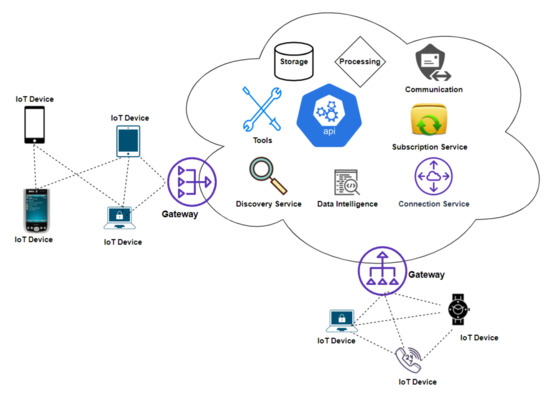
An IoT platform serves as the middleware connecting IoT devices, data, and applications. It acts as a comprehensive suite of services that facilitates the deployment, management, and automation of IoT solutions. For smart cities, these platforms are particularly critical because they must handle a massive scale of devices, diverse data types, and complex integrations across multiple municipal departments. They transform raw sensor data into actionable insights, enabling city administrators to make informed decisions for improved urban management.
Think of an IoT platform as the central nervous system of a smart city. It receives signals from thousands, even millions, of "nerve endings" (IoT devices like sensors, cameras, and smart meters), processes these signals, and then sends commands back to other devices or triggers actions within various city systems. This intricate dance of data collection, analysis, and response is what makes a city "smart." Without a well-designed platform, a city's IoT initiatives would remain fragmented, inefficient, and difficult to scale.
Key Features of an IoT Platform for Smart City Solutions
To effectively support the complex demands of urban environments, an IoT platform must offer a robust set of features. These capabilities ensure seamless operation, data integrity, and the ability to scale with growing urban needs.
- Connectivity Management: This feature handles the secure and reliable connection of diverse devices, from low-power sensors to high-bandwidth cameras. It supports various communication protocols (e.g., LoRaWAN, NB-IoT, 5G) and ensures devices remain connected and operational.
- Device Management: Essential for monitoring, provisioning, and updating thousands or millions of devices remotely. This includes device onboarding, configuration, firmware over-the-air (FOTA) updates, and troubleshooting, significantly reducing operational costs.
- Data Ingestion & Processing: The ability to collect vast quantities of data from disparate sources, filter, normalize, and process it in real-time. This includes edge computing capabilities to process data closer to the source, reducing latency and bandwidth usage.
- Security & Privacy: Paramount for smart cities, as sensitive citizen data and critical infrastructure are involved. Features include end-to-end encryption, access control, authentication, anomaly detection, and compliance with data privacy regulations (e.g., GDPR). This is a non-negotiable aspect of any smart city IoT solution.
- Analytics & Visualization: Tools to analyze collected data, identify patterns, predict future trends, and present insights through intuitive dashboards and reports. This allows city officials to understand complex urban dynamics and make data-driven decisions.
- Application Enablement: Provides APIs (Application Programming Interfaces) and SDKs (Software Development Kits) that allow developers to build specific smart city applications on top of the platform. This fosters innovation and enables the creation of tailored solutions for various urban challenges.
- Scalability & Interoperability: The platform must be able to scale horizontally to accommodate millions of devices and petabytes of data as the city grows. Furthermore, it must support interoperability between different systems and vendors, preventing vendor lock-in and fostering a truly integrated urban ecosystem.
Benefits of Leveraging IoT Platforms for Urban Development
The strategic deployment of IoT platforms for creating IoT based smart city solutions yields a multitude of benefits, transforming urban areas into more livable, efficient, and resilient environments.
- Enhanced Operational Efficiency: By automating tasks and providing real-time data, cities can optimize resource allocation, reduce energy consumption (e.g., smart lighting), streamline waste collection, and improve public transport systems. This leads to significant cost savings and better service delivery.
- Improved Public Safety & Security: Connected cameras, sensors, and emergency response systems can provide real-time alerts, enhance situational awareness for law enforcement, and facilitate faster response times during emergencies, contributing to safer communities.
- Sustainable Urban Development: IoT platforms enable effective environmental monitoring, tracking air and water quality, noise levels, and energy usage. This data empowers cities to implement targeted sustainability initiatives, reduce their carbon footprint, and promote greener living.
- Better Citizen Engagement & Services: By leveraging data, cities can develop more responsive and personalized services for residents, from intelligent parking solutions to proactive infrastructure maintenance alerts. Platforms can also facilitate direct communication channels with citizens.
- Data-Driven Decision Making: Access to comprehensive, real-time data allows city planners and policymakers to move beyond guesswork, making informed decisions based on concrete evidence. This leads to more effective policies and investments in smart infrastructure.
- Economic Growth & Innovation: Smart city initiatives often attract technology companies, startups, and skilled professionals, fostering a vibrant innovation ecosystem. The availability of open data and robust platforms can also spur the development of new services and businesses.
Challenges and Considerations in Deployment
While the benefits are compelling, implementing IoT platforms for creating IoT based smart city solutions is not without its hurdles. Cities must carefully consider several factors to ensure successful deployment and long-term viability.
- Interoperability & Standardization: The lack of universal standards for IoT devices and data formats can create silos and hinder seamless integration between different systems and vendors. Cities must prioritize platforms that support open standards and offer robust API integration capabilities.
- Cybersecurity & Data Privacy: The vast network of connected devices creates an expanded attack surface, making cities vulnerable to cyber threats. Protecting sensitive citizen data and critical infrastructure from breaches is paramount. Robust security protocols, regular audits, and compliance with privacy regulations are essential.
- Scalability: As a city grows and more devices are added, the platform must be able to handle the increasing data volume and processing demands without performance degradation. Future-proofing the architecture is crucial.
- Funding & Investment: Deploying comprehensive smart city solutions requires significant upfront investment. Cities need to develop sustainable funding models, potentially involving public-private partnerships, to ensure long-term sustainability.
- Talent & Expertise: Managing and maintaining complex IoT platforms and solutions requires specialized skills in areas like data science, cybersecurity, and network engineering. Cities may need to invest in training or attract external talent.
- Citizen Acceptance & Trust: Public perception regarding data collection and surveillance can be a barrier. Transparency, clear communication about the benefits, and ensuring data privacy are vital for gaining citizen trust and adoption.
Selecting the Right IoT Platform: A Strategic Guide
Choosing the optimal IoT platform for creating IoT based smart city solutions is a critical strategic decision that will impact the city's digital future. This process requires a thorough evaluation of technical capabilities, vendor support, and long-term vision.
- Assess Current & Future Needs: Begin by clearly defining the city's specific challenges and objectives. What smart city applications are prioritized? What is the projected scale of devices and data? Will the platform need to integrate with existing legacy systems?
- Evaluate Technical Capabilities: Scrutinize the platform's features against the key requirements outlined above (connectivity, device management, data processing, security, analytics, application enablement, scalability, interoperability). Pay close attention to its ability to handle diverse data types and protocols.
- Consider Deployment Models: Decide between cloud-based, on-premise, or hybrid deployment models. Cloud platforms offer scalability and reduced infrastructure overhead but require reliable internet connectivity. On-premise solutions offer more control but demand significant IT resources.
- Security & Compliance: This cannot be overstated. Verify the platform's security certifications, data encryption methods, access control mechanisms, and compliance with relevant data protection laws. Demand transparency regarding data handling policies.
- Vendor Ecosystem & Support: Research the vendor's reputation, experience in smart city projects, and the strength of their partner ecosystem. Look for comprehensive technical support, training, and a clear roadmap for future development.
- Cost-Effectiveness & TCO: Beyond initial licensing fees, consider the total cost of ownership (TCO), including integration, maintenance, scaling, and potential customization costs. Seek transparent pricing models.
- Openness & Flexibility: Prioritize platforms that are open, allow for customization, and offer robust APIs for integration with third-party applications and data sources. This avoids vendor lock-in and promotes future innovation.
- Proof of Concept (PoC): Before full-scale deployment, conduct a small-scale PoC to test the platform's capabilities with a specific smart city use case. This provides valuable insights and helps identify potential issues early on.
Practical Applications: IoT Platforms in Action
The versatility of IoT platforms for creating IoT based smart city solutions is evident in the wide array of applications they enable across various urban sectors. These platforms serve as the central nervous system for these diverse initiatives.
- Smart Traffic Management: Sensors deployed on roads and intersections feed real-time traffic flow data to the platform. This data is analyzed to optimize traffic light timings, reroute vehicles during congestion or accidents, and provide citizens with real-time navigation updates, significantly reducing commute times and emissions.
- Intelligent Street Lighting: IoT-enabled streetlights with embedded sensors can adjust their brightness based on ambient light, pedestrian presence, or time of day. The platform manages energy consumption, detects faults, and schedules maintenance, leading to substantial energy savings and improved public safety.
- Environmental Monitoring: Networks of air quality, noise, and water quality sensors send data to the platform, providing continuous monitoring of environmental conditions. This data informs policy decisions, identifies pollution hotspots, and helps cities comply with environmental regulations, fostering a healthier urban environment.
- Waste Management: Smart bins equipped with fill-level sensors transmit data to the platform, allowing waste collection routes to be optimized based on actual demand rather than fixed schedules. This reduces fuel consumption, operational costs, and unsightly overflowing bins.
- Public Safety & Security: Connected surveillance cameras, smart sensors for gunshot detection, and panic buttons integrated with the platform provide real-time situational awareness for emergency services. This enables faster response times and more efficient resource deployment during critical incidents.
- Smart Parking: Sensors in parking spaces detect occupancy, relaying this information to the platform. Citizens can then use mobile apps connected to the platform to find available parking spots, reducing cruising time and congestion.
These examples illustrate how a central IoT platform transforms disparate data points into cohesive, actionable intelligence, enabling cities to address complex challenges with innovative and efficient solutions. The continuous flow of data and insights empowers municipalities to evolve and adapt to the ever-changing needs of their inhabitants.
Future Trends: Evolution of Smart City IoT Platforms
The landscape of IoT platforms for creating IoT based smart city solutions is continuously evolving, driven by technological advancements and the increasing demands of urban environments. Key trends shaping the future include:
- Greater Emphasis on Edge Computing: Processing data closer to the source (at the "edge") reduces latency, conserves bandwidth, and enhances privacy. Future platforms will incorporate more robust edge capabilities, allowing for faster decision-making and localized intelligence.
- AI and Machine Learning Integration: AI and ML will become even more integral, moving beyond basic analytics to enable predictive maintenance, anomaly detection, autonomous systems, and highly personalized citizen services. This will unlock deeper insights from vast datasets.
- Blockchain for Security and Trust: Distributed ledger technologies could play a role in enhancing data integrity, ensuring secure transactions between devices, and building trust in shared urban data platforms.
- Digital Twins: Creating virtual replicas of physical assets, systems, or even entire city districts will become more common. IoT platforms will feed real-time data into these digital twins, enabling advanced simulations, scenario planning, and proactive management of urban infrastructure.
- Hyper-Personalized Citizen Services: Leveraging AI and aggregated, anonymized data, platforms will enable cities to offer highly personalized services, from tailored public transport information to customized health and safety alerts.
- Increased Focus on Cybersecurity Mesh: As IoT deployments grow, a more distributed and adaptive approach to cybersecurity, known as a cybersecurity mesh, will become essential to protect the interconnected and diverse smart city ecosystem.
These trends underscore the dynamic nature of smart city development, highlighting the ongoing need for flexible, secure, and intelligent IoT platforms capable of adapting to future challenges and opportunities.
Frequently Asked Questions
What are the core components of an IoT platform for smart cities?
The core components typically include a device management module for connecting and controlling devices, a connectivity management layer supporting various communication protocols, a data ingestion and processing engine for handling vast data streams, a robust security framework, powerful analytics and visualization tools, and an application enablement platform with APIs for building specific smart city applications. These elements collectively form the foundation for effective IoT based smart city solutions.
How do IoT platforms enhance urban sustainability?
IoT platforms significantly enhance urban sustainability by enabling precise monitoring and management of resources. For instance, they facilitate smart energy management through intelligent lighting and building automation, optimize waste collection routes to reduce emissions, provide real-time environmental monitoring for air and water quality, and support efficient water management systems. By providing actionable data, these platforms empower cities to implement targeted initiatives that reduce their ecological footprint and promote greener urban living.
What security considerations are crucial for smart city IoT platforms?
For IoT platforms for creating IoT based smart city solutions, security is paramount due to the sensitive nature of urban data and critical infrastructure. Crucial considerations include end-to-end data encryption (at rest and in transit), robust device authentication and authorization mechanisms, regular vulnerability assessments and penetration testing, anomaly detection for cyber threats, secure firmware updates, and adherence to global data privacy regulations (e.g., GDPR, CCPA). A comprehensive cybersecurity strategy is essential to protect citizens and city assets from breaches and attacks.
Can small cities leverage IoT platforms for smart initiatives effectively?
Absolutely. While often associated with large metropolises, IoT platforms are increasingly accessible and scalable for small and medium-sized cities. Many platforms offer modular solutions, cloud-based deployments, and flexible pricing models that allow smaller municipalities to start with targeted smart initiatives (e.g., smart parking or waste management) and scale up gradually. The key is to identify specific pain points, choose a platform that aligns with current needs and future growth, and perhaps explore public-private partnerships to share costs and expertise.

0 Komentar