
Complete Guide
The agricultural sector, a cornerstone of global sustenance, is undergoing a profound transformation driven by digital innovation. At the heart of this revolution lies the strategic adoption of IoT platforms for building IoT applications for smart agriculture. These sophisticated technological frameworks are not merely tools; they are the foundational infrastructure enabling farmers to transition from traditional practices to data-driven, highly efficient, and sustainable operations. From optimizing crop yields to enhancing livestock management and conserving vital resources, the right IoT platform empowers agricultural businesses to harness the immense power of connected devices, real-time data, and advanced analytics. This comprehensive guide delves into the critical aspects of these platforms, exploring their core functionalities, key applications, and how they are shaping the future of food production.
The Transformative Power of IoT in Smart Agriculture
Traditional farming faces myriad challenges: unpredictable weather patterns, escalating input costs, labor shortages, and the increasing demand for sustainable practices. The Internet of Things (IoT) offers a compelling solution by connecting physical farm assets – from soil sensors and weather stations to tractors and livestock – to digital systems. This connectivity generates an unprecedented volume of sensor data, providing farmers with actionable insights. Smart agriculture, powered by IoT, moves beyond guesswork, enabling precision interventions that lead to significant improvements in efficiency, productivity, and environmental stewardship. It's about making every decision informed, every resource optimally utilized, and every yield maximized.
Addressing Key Agricultural Challenges with IoT
- Resource Management: IoT platforms facilitate precise monitoring and control of water, fertilizers, and pesticides, leading to substantial savings and reduced environmental impact.
- Yield Optimization: By analyzing real-time data on soil conditions, crop health, and weather, farmers can make informed decisions to boost productivity and quality.
- Labor Efficiency: Automation of routine tasks, remote monitoring, and predictive maintenance reduce reliance on manual labor and minimize downtime for critical machinery.
- Risk Mitigation: Early detection of diseases, pests, or equipment failures through IoT sensors helps prevent significant losses.
- Sustainability: Reduced waste, optimized resource use, and lower carbon footprints contribute to more environmentally friendly farming practices.
What Are IoT Platforms and Why Are They Crucial for Agri-Tech?
An IoT platform serves as the central nervous system for any IoT ecosystem. In the context of agriculture, it's a comprehensive suite of technologies that enables the connection, management, data collection, and analysis of diverse agricultural devices and sensors. More than just a data pipeline, these platforms provide the necessary tools for developing, deploying, and managing complex IoT applications for smart agriculture. They abstract away the complexities of device integration, network communication, and data processing, allowing farmers and solution providers to focus on creating value-added services.
The agricultural environment presents unique demands for IoT platforms. Unlike urban or industrial settings, farms often lack robust internet infrastructure, require devices to withstand harsh weather conditions, and necessitate long battery life for remote sensors. Consequently, an effective agricultural IoT platform must offer:
- Robust Connectivity Options: Support for various communication protocols like LoRaWAN, NB-IoT, satellite, and cellular, ensuring reliable data transmission even in remote areas.
- Scalability: The ability to handle thousands of devices and vast amounts of data as a farm expands or as more sensors are deployed.
- Edge Computing Capabilities: Processing data closer to the source (on the farm) to reduce latency, conserve bandwidth, and enable immediate decision-making.
- Security Features: Protecting sensitive farm data from cyber threats and ensuring data integrity.
- Interoperability: Seamless integration with existing farm management systems, machinery, and software.
Key Components of an Agricultural IoT Platform
Understanding the core components of an IoT platform is crucial for selecting the right solution. These elements work in concert to deliver a complete smart farming experience:
- Device Management & Connectivity: This layer handles the onboarding, authentication, monitoring, and remote management of all connected devices (sensors, actuators, gateways). It ensures reliable communication between devices and the cloud.
- Data Ingestion & Storage: Capable of receiving and storing massive volumes of heterogeneous data streams from various farm sensors (soil moisture, temperature, GPS, animal biometrics). This often involves scalable cloud storage solutions.
- Data Processing & Analytics: This is where raw data transforms into actionable insights. Features include real-time data processing, historical data analysis, machine learning algorithms for predictive analytics, and visualization tools.
- Application Enablement Platform (AEP): Provides tools, APIs, and SDKs for developers to build custom agritech solutions and user interfaces (dashboards, mobile apps) tailored to specific agricultural needs.
- Security & Access Control: Implements robust encryption, authentication, and authorization mechanisms to protect data privacy and prevent unauthorized access to farm systems.
- Integration Capabilities: Allows the platform to connect with third-party systems like weather forecasting services, market price aggregators, or existing enterprise resource planning (ERP) systems used by farmers.
Core IoT Applications Enabled by These Platforms in Smart Agriculture
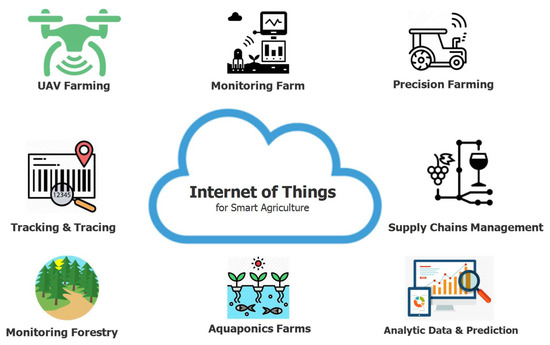
The versatility of IoT platforms allows for the development of a wide array of specialized applications that cater to every facet of modern farming. These applications leverage data collected from sensors and devices to provide tangible benefits:
1. Crop Monitoring & Health Management
One of the most impactful applications, crop health monitoring uses a network of sensors to gather vital data. Soil sensors measure moisture, nutrient levels, pH, and temperature, informing precise irrigation and fertilization schedules. Weather stations provide real-time atmospheric data, aiding in disease prediction and frost warnings. Drone imagery equipped with multispectral cameras can assess crop vigor, identify pest infestations, and detect nutrient deficiencies across large fields. This leads directly to optimized yield optimization and reduced input waste.
- Precision Irrigation: Automated systems deliver water only when and where it's needed, significantly conserving water.
- Nutrient Management: Data-driven insights ensure fertilizers are applied efficiently, preventing over-application and runoff.
- Pest & Disease Detection: Early warnings allow for targeted intervention, minimizing crop damage and reducing reliance on broad-spectrum pesticides.
2. Livestock Monitoring & Management
For animal husbandry, IoT platforms enable sophisticated livestock monitoring. Wearable sensors on animals can track location, activity levels, body temperature, heart rate, and even reproductive cycles. This data helps farmers monitor animal health, detect early signs of illness, manage breeding schedules, and track grazing patterns. Geofencing capabilities can keep animals within defined boundaries without physical fences, improving herd management and safety.
- Health Monitoring: Early detection of illness reduces mortality rates and veterinary costs.
- Location Tracking: Prevents loss of animals and optimizes grazing strategies.
- Behavioral Analysis: Insights into feeding patterns, activity, and stress levels can improve animal welfare and productivity.
3. Smart Irrigation and Water Management
Water scarcity is a growing concern. IoT platforms provide the backbone for smart irrigation systems that move beyond scheduled watering. By integrating data from soil moisture sensors, weather forecasts, and even crop water requirements, these platforms can automate irrigation systems to deliver the precise amount of water at the optimal time. This not only conserves water but also prevents overwatering, which can lead to nutrient leaching and root diseases.
- Dynamic Scheduling: Adjusts watering based on real-time conditions rather than fixed timers.
- Leak Detection: Sensors can identify leaks in irrigation systems, preventing water loss.
- Water Usage Analytics: Provides detailed reports on water consumption, aiding in regulatory compliance and efficiency planning.
4. Farm Equipment Monitoring & Automation
Modern agricultural machinery is increasingly connected. IoT platforms enable remote monitoring of tractors, harvesters, and other equipment, tracking fuel consumption, operational hours, location, and performance. This data supports predictive maintenance, reducing costly breakdowns and optimizing fleet utilization. Furthermore, the integration of IoT with GPS and automation technologies facilitates autonomous operations, such as self-driving tractors for planting or spraying, enhancing precision farming capabilities.
- Predictive Maintenance: Reduces downtime and extends equipment lifespan.
- Fuel Efficiency Tracking: Identifies opportunities for cost savings.
- Fleet Management: Optimizes routes and task assignments for greater efficiency.
5. Supply Chain Optimization and Traceability
Beyond the farm gate, IoT platforms can extend their reach into the agricultural supply chain. Sensors can monitor temperature and humidity during transport of perishable goods, ensuring optimal conditions for food safety and quality. QR codes or RFID tags linked to an IoT platform can provide end-to-end traceability of produce, from farm to fork, meeting consumer demand for transparency and enhancing food safety protocols. This capability is crucial for building trust and ensuring regulatory compliance.
- Cold Chain Monitoring: Ensures integrity of perishable goods during transit.
- Product Traceability: Provides consumers with information about the origin and journey of their food.
- Logistics Efficiency: Optimizes delivery routes and inventory management.
Choosing the Right IoT Platform for Your Smart Agriculture Needs
The market for IoT solution providers is vast, and selecting the ideal platform requires careful consideration of several factors specific to the agricultural domain. The right choice will significantly impact the success and scalability of your smart farming technology initiatives.
Key Considerations for Platform Selection:
- Scalability and Flexibility: Ensure the platform can grow with your farm. Can it easily integrate new sensors or expand to cover more acreage or livestock? Does it support various types of agricultural data?
- Connectivity Options: Evaluate its support for diverse communication protocols (LoRaWAN, NB-IoT, satellite, cellular) crucial for remote farm locations.
- Data Ownership and Security: Understand the vendor's policies on data ownership, privacy, and cybersecurity. Farm data is sensitive and valuable.
- Cost-Effectiveness & ROI: Beyond initial setup costs, consider ongoing subscription fees, data transfer costs, and the potential return on investment from improved efficiency and yields.
- Ease of Use & Customization: Is the platform user-friendly for farmers? Does it offer intuitive dashboards and the ability to customize applications to specific farm needs without extensive coding?
- Integration Capabilities: Can it seamlessly integrate with your existing farm management systems, machinery, or other third-party software? Open APIs are a strong indicator of flexibility.
- Edge Computing Support: For real-time, low-latency decisions (e.g., automated irrigation based on immediate soil readings), edge processing is vital. Does the platform support this?
- Vendor Support & Ecosystem: Look for a vendor with a strong track record, reliable customer support, and an active developer community or partner ecosystem. This ensures long-term viability and access to expertise.
- Analytics and AI Capabilities: Assess the platform's built-in analytics, machine learning, and AI capabilities for generating meaningful insights and enabling predictive models.
Actionable Tips for Successful IoT Platform Implementation
- Start Small, Scale Smart: Begin with a pilot project focusing on a specific pain point (e.g., smart irrigation for one field) to demonstrate value and refine processes before broader deployment.
- Define Clear Objectives: What specific problems are you trying to solve? Clear goals will guide your platform choice and application development.
- Involve Farm Staff: User adoption is critical. Ensure your team is trained and understands the benefits of the technology. Their insights are invaluable for practical application.
- Focus on Data Quality: "Garbage in, garbage out." Ensure sensors are calibrated correctly and data is reliable to make accurate decisions.
- Regularly Review & Optimize: IoT is dynamic. Continuously monitor performance, analyze data, and refine your applications to maximize benefits. Learn more about IoT data best practices.
The Future Landscape: AI, Machine Learning, and Blockchain in Agricultural IoT Platforms
The evolution of IoT platforms for building IoT applications for smart agriculture is far from over. The integration of advanced technologies like Artificial Intelligence (AI), Machine Learning (ML), and Blockchain is set to unlock even greater potential. AI and ML algorithms, powered by the vast datasets collected by IoT devices, will enable highly sophisticated predictive analytics. Imagine systems that can not only detect early signs of disease but also predict outbreaks based on historical data and environmental factors, suggesting optimal preventative measures. ML can refine algorithms for optimal seed placement, fertilization, and harvest timing, continuously learning and improving efficiency.
Blockchain technology offers a new layer of transparency and trust, particularly relevant for the agricultural supply chain. It can create immutable records of food production, processing, and distribution, enhancing traceability, verifying organic certifications, and ensuring fair trade practices. This convergence of technologies promises to drive agriculture towards even higher levels of efficiency, sustainability, and transparency, truly revolutionizing how we feed the world.
Frequently Asked Questions
What is an IoT platform for smart agriculture?
An IoT platform for smart agriculture is a comprehensive software and hardware ecosystem designed to connect, manage, and analyze data from various sensors and devices deployed across a farm. It provides the infrastructure to build and run IoT applications for smart agriculture, enabling farmers to gain real-time insights into crop health, soil conditions, livestock behavior, equipment performance, and environmental factors, leading to data-driven decision-making and optimized farm operations. It's the central hub for all connected farm technology.
How do IoT platforms improve farm profitability?
IoT platforms enhance farm profitability by enabling precision farming practices that reduce waste and increase yields. They facilitate optimized resource management (water, fertilizer, pesticides), lower labor costs through automation, minimize equipment downtime via predictive maintenance, and prevent losses from diseases or pests through early detection. By providing actionable data, farmers can make more informed decisions, leading to higher quality produce, increased productivity, and ultimately, greater financial returns. They enable a shift from reactive to proactive farm management.
What are the main challenges of adopting IoT in agriculture?
Adopting IoT in agriculture presents several challenges. These include the high initial investment in sensors and platforms, ensuring reliable connectivity in remote rural areas, managing and analyzing vast amounts of data, ensuring data security and privacy, and the need for digital literacy among farm staff. Additionally, integrating new IoT systems with existing legacy equipment and overcoming resistance to technological change can be significant hurdles. However, the long-term benefits often outweigh these initial obstacles.
Can small farms benefit from IoT platforms?
Absolutely. While often associated with large-scale operations, IoT platforms are increasingly accessible and beneficial for small farms. Many platforms offer scalable solutions, allowing small farmers to start with basic monitoring systems and expand as needed. The principles of efficient resource management, improved crop health, and reduced labor apply universally, regardless of farm size. Cloud-based platforms and affordable sensor technology make it possible for smaller farms to leverage smart farming technology to compete more effectively and enhance their sustainability.
What kind of data do agricultural IoT platforms collect?
Agricultural IoT platforms collect a diverse range of sensor data critical for smart farming. This includes environmental data (air temperature, humidity, rainfall, wind speed), soil data (moisture content, pH, nutrient levels, temperature), crop data (growth stages, health indices via spectral imaging, disease indicators), livestock data (location, activity levels, body temperature, heart rate, rumination), and machinery data (GPS location, fuel consumption, engine diagnostics, operational hours). This vast dataset forms the basis for all data analytics and decision-making processes within the platform.

0 Komentar