
Revolutionizing Cardiovascular Care: The Power of IoT Devices for Remote Patient Monitoring
The landscape of healthcare is undergoing a profound transformation, driven by technological innovation. At the forefront of this revolution are IoT devices for remote patient monitoring cardiovascular health, offering unprecedented opportunities to manage heart conditions, prevent adverse events, and empower patients. These intelligent, connected devices are reshaping how we approach chronic disease management, moving from reactive treatments to proactive, personalized care. By leveraging the Internet of Things, healthcare providers can gain real-time insights into a patient's vital signs and physiological parameters, enabling timely interventions and significantly improving patient outcomes for those living with heart disease.
The Imperative of Remote Cardiovascular Monitoring in Modern Healthcare
Cardiovascular diseases (CVDs) remain the leading cause of mortality globally, placing immense strain on healthcare systems and individual lives. Traditional monitoring methods, often confined to clinical settings, present significant limitations: infrequent data collection, high healthcare costs, and a lack of continuous oversight. Patients with chronic heart conditions, such as hypertension, arrhythmias, or heart failure, require consistent monitoring to detect subtle changes that could escalate into critical events. This is where remote patient monitoring (RPM), powered by IoT devices, emerges as a critical solution. It bridges the gap between clinic visits, providing a continuous stream of actionable data that empowers both patients and clinicians.
The shift towards value-based care models further underscores the importance of RPM. By enabling early detection of deteriorating conditions, reducing hospital readmissions, and fostering greater patient engagement, IoT solutions for cardiovascular health are not just a convenience; they are a strategic imperative for sustainable healthcare delivery. The ability to track vital signs like blood pressure, heart rate, ECG, and oxygen saturation from the comfort of a patient's home means a more holistic and responsive approach to heart health management.
How IoT Revolutionizes Cardiovascular Care Through Connected Devices
The Internet of Things (IoT) refers to a network of physical objects embedded with sensors, software, and other technologies for the purpose of connecting and exchanging data with other devices and systems over the internet. In healthcare, this translates into a powerful ecosystem where medical devices can collect, transmit, and analyze health data remotely. For cardiovascular care, this means a paradigm shift:
- Continuous Data Collection: Unlike episodic clinic visits, IoT devices provide a constant stream of physiological data, offering a much clearer picture of a patient's baseline and deviations.
- Real-time Alerts: Algorithms can analyze incoming data for anomalies, triggering immediate alerts to healthcare providers if vital signs fall outside personalized thresholds. This enables prompt intervention, potentially averting emergencies.
- Personalized Insights: Aggregated data allows for the identification of trends and patterns unique to each patient, leading to highly customized treatment plans and medication adjustments.
- Enhanced Patient Engagement: Patients become active participants in their own care, with access to their own data and a greater understanding of their condition. This fosters adherence to treatment regimens and lifestyle modifications.
This seamless flow of information from patient to provider, facilitated by secure digital health platforms, is transforming preventive cardiology and chronic disease management. It moves beyond just treating symptoms to actively preventing complications.
Key IoT Devices for Cardiovascular Health Monitoring
A diverse range of IoT devices is now available, each designed to monitor specific aspects of cardiovascular health. These devices are typically user-friendly, non-invasive, and designed for daily use:
- Wearable ECG Monitors: Smartwatches and small adhesive patches can continuously record electrocardiogram (ECG) data, detecting irregularities like atrial fibrillation (AFib) or other arrhythmias. Devices like the Apple Watch, Fitbit Sense, or specialized medical-grade patches offer single-lead ECG capabilities, providing crucial insights into cardiac rhythm.
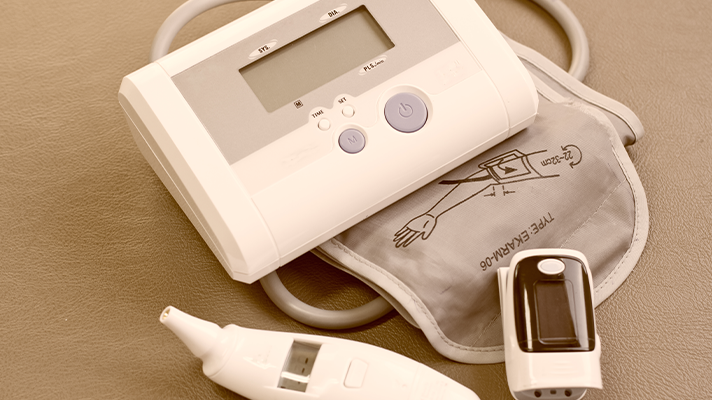
- Smart Blood Pressure Monitors: Bluetooth-enabled cuffs that automatically sync readings to a smartphone app or cloud platform. This provides a consistent record of blood pressure trends, crucial for managing hypertension and assessing the effectiveness of medication. Many devices offer instant feedback and can share data directly with clinicians.
- Pulse Oximeters: Small, clip-on devices that measure blood oxygen saturation (SpO2) and pulse rate. While not exclusively for cardiovascular health, low SpO2 levels can indicate underlying heart or lung issues, making them valuable for overall vital signs monitoring, especially in heart failure patients.
- Smart Scales: These scales not only measure weight but can also track body mass index (BMI) and, in some advanced models, body composition. For heart failure patients, sudden weight gain can be a critical indicator of fluid retention, necessitating immediate medical attention.
- Implantable Devices with Remote Capabilities: Modern pacemakers, implantable cardioverter-defibrillators (ICDs), and loop recorders often come with remote monitoring features. These devices can transmit critical data about device function, cardiac events, and heart rhythm directly to a patient's care team, reducing the need for frequent in-person clinic visits.
- Continuous Glucose Monitors (CGMs) (Indirectly): While primarily for diabetes management, given the strong link between diabetes and cardiovascular disease, CGMs can indirectly aid cardiovascular health by helping patients manage blood sugar levels, a key risk factor for heart complications.
The integration of these devices into a cohesive telehealth solution allows for a holistic view of a patient's cardiovascular well-being.
The Data Ecosystem: Connectivity and Analytics
The true power of IoT devices for remote patient monitoring lies not just in data collection, but in the intelligent processing and analysis of that data. This involves several critical components:
- Sensors and Data Collection: The devices themselves are equipped with sophisticated sensors that accurately capture physiological data.
- Connectivity Protocols: Data is securely transmitted from the device using various wireless protocols. Common ones include:
- Bluetooth Low Energy (BLE): Ideal for short-range communication between devices and a smartphone or hub.
- Wi-Fi: For devices that require higher bandwidth or direct internet connection.
- Cellular (LTE/5G): For standalone devices that need to transmit data directly without a smartphone, ensuring connectivity even in remote areas.
- LoRaWAN: A low-power, wide-area networking protocol suitable for devices that send small packets of data over long distances with minimal battery consumption.
- Cloud Platforms and AI: Once transmitted, data is securely stored on HIPAA-compliant cloud platforms. Here, advanced analytics, including AI algorithms and machine learning, process the raw data. These algorithms can identify subtle trends, detect anomalies, predict potential health crises, and provide valuable insights for cardiac data analysis. This forms the basis for sophisticated clinical decision support systems.
- User Interfaces: Data is then presented to patients via intuitive mobile apps and to healthcare providers via secure dashboards. These interfaces allow for easy visualization of trends, alert management, and communication between patients and their care teams.
Ensuring robust data security and interoperability across different devices and platforms is paramount for the successful implementation of such a system.
Benefits of IoT-Enabled Remote Cardiovascular Monitoring
The adoption of IoT devices for remote patient monitoring cardiovascular health brings a multitude of benefits, transforming care delivery and patient outcomes:
- Early Detection and Intervention: Continuous monitoring allows for the rapid identification of deteriorating conditions, such as rising blood pressure, irregular heartbeats, or fluid retention in heart failure patients. This enables clinicians to intervene proactively, often before a crisis develops, significantly reducing the risk of stroke, heart attack, or hospitalization. This focus on preventive care is a cornerstone of modern cardiology.
- Improved Patient Adherence and Engagement: When patients can actively see their own health data and understand its implications, they become more engaged in their treatment plans. The immediate feedback from devices can reinforce positive behaviors and encourage medication adherence and lifestyle changes. This fosters true patient empowerment.
- Reduced Hospitalizations and Emergency Room Visits: By enabling early detection and proactive management, RPM significantly lowers the incidence of costly hospitalizations and emergency department visits. This not only reduces healthcare costs but also improves the patient's quality of life by allowing them to receive care in their familiar home environment.
- Enhanced Clinical Efficiency: Healthcare providers can monitor a larger cohort of patients more effectively, prioritizing those who need immediate attention. Automated alerts and data aggregation streamline workflows, allowing clinicians to focus on high-value tasks rather than manual data entry or routine check-ups for stable patients. This leads to substantial improvements in healthcare efficiency.
- Personalized Treatment Plans: With a wealth of continuous, real-world data, clinicians can tailor treatment regimens with unparalleled precision. Medication dosages can be adjusted based on real-time responses, and lifestyle recommendations can be personalized to achieve optimal outcomes for chronic disease management.
- Better Patient Outcomes: Ultimately, all these benefits converge to one critical outcome: improved health for cardiovascular patients. Reduced mortality, fewer complications, and a higher quality of life are the direct results of consistent, data-driven remote monitoring.
Challenges and Considerations for Implementation
While the potential of IoT in cardiovascular RPM is immense, successful implementation requires addressing several key challenges:
- Data Privacy and Security: Health data is highly sensitive. Ensuring compliance with regulations like HIPAA (Health Insurance Portability and Accountability Act) in the US and GDPR (General Data Protection Regulation) in Europe is paramount. Robust encryption, secure data transmission, and strict access controls are essential for maintaining patient trust and preventing breaches. Strong data governance and cybersecurity protocols are non-negotiable.
- Interoperability Issues: The healthcare ecosystem is often fragmented, with various devices, electronic health record (EHR) systems, and software platforms that don't always communicate seamlessly. Achieving true interoperability standards between different IoT devices and existing clinical systems is crucial for a unified patient record and efficient data flow.
- Regulatory Compliance: IoT medical devices must undergo rigorous testing and approval processes by regulatory bodies such as the FDA in the US or the CE Mark in Europe to ensure their safety, accuracy, and effectiveness. Navigating these complex medical device regulations can be time-consuming and costly.
- Digital Divide and Patient Literacy: Not all patients have equal access to technology or the digital literacy required to operate IoT devices and apps. Addressing the digital divide through accessible technology, robust patient education, and ongoing technical support is vital to ensure equitable access to RPM benefits.
- Cost of Devices and Infrastructure: The initial investment in IoT devices, connectivity infrastructure, and software platforms can be substantial for healthcare organizations. Demonstrating a clear return on investment (ROI) through reduced hospitalizations and improved outcomes is key for widespread adoption.
Actionable Tips for Adopting IoT in Cardiovascular Care
For healthcare providers and organizations looking to integrate IoT solutions for cardiovascular remote monitoring, here are some practical tips:
- Start Small, Scale Smart: Begin with pilot programs focusing on a specific patient cohort (e.g., heart failure patients with recent hospitalizations). This allows for testing the technology, refining workflows, and gathering user feedback before a broader rollout. Develop a clear implementation strategy.
- Prioritize Data Security and Privacy: Work with vendors who demonstrate a strong commitment to data encryption, secure cloud storage, and compliance with all relevant healthcare privacy regulations. Conduct regular security audits.
- Ensure Interoperability with Existing Systems: Look for solutions that offer robust APIs (Application Programming Interfaces) to integrate seamlessly with your existing EHRs and clinical software. This prevents data silos and streamlines clinician workflows.
- Invest in Patient Education and Support: Provide clear, easy-to-understand instructions for device setup and usage. Offer ongoing technical support and educational resources to help patients understand their data and how it contributes to their health. Effective user training is paramount.
- Collaborate with Experienced Tech Providers: Partner with companies that have a proven track record in healthcare IoT and understand the complexities of medical data and regulatory requirements. A strong vendor selection process is crucial.
- Define Clear Clinical Protocols: Establish clear guidelines for how data alerts are handled, who is responsible for reviewing data, and what actions are taken based on insights from the RPM system.
Frequently Asked Questions
What are the primary benefits of using IoT devices for remote patient monitoring in cardiovascular health?
The primary benefits of using IoT devices for remote patient monitoring cardiovascular health include early detection of worsening conditions, which enables timely intervention and prevents emergencies. These devices lead to reduced hospitalizations and emergency room visits, significantly lowering healthcare costs. They also foster greater patient engagement and adherence to treatment plans by providing real-time data and feedback. Ultimately, this results in more personalized care, improved clinical efficiency for healthcare providers, and better overall patient outcomes improvement for those managing chronic heart conditions.
How do IoT devices ensure the accuracy and security of cardiovascular health data?
IoT devices for cardiovascular health ensure accuracy through medical-grade sensors and rigorous testing, often adhering to regulatory standards like FDA clearance. Data security is maintained through several layers of protection: data encryption during transmission and storage, secure cloud platforms compliant with healthcare privacy regulations (e.g., HIPAA, GDPR), strong authentication protocols, and access controls. Reputable vendors prioritize robust cybersecurity measures to protect sensitive patient information from unauthorized access or breaches.
Can IoT remote monitoring replace in-person doctor visits for heart patients?
No, IoT remote monitoring is designed to complement, not entirely replace, in-person doctor visits for heart patients. While it provides continuous data and enables proactive management, regular physical examinations, comprehensive diagnostic tests, and direct patient-provider interactions remain crucial for a holistic assessment of cardiovascular health. Remote monitoring enhances the quality of care between visits, allowing for more informed and targeted in-person consultations when needed, forming a key part of modern healthcare innovation.
What types of cardiovascular conditions can benefit most from IoT remote monitoring?
A wide range of cardiovascular conditions can significantly benefit from IoT remote monitoring. These include chronic conditions such as heart failure, where remote monitoring can detect fluid retention early; hypertension (high blood pressure) for continuous tracking of blood pressure trends; and various arrhythmias like atrial fibrillation, where wearable ECG devices can detect irregular heart rhythms. Patients recovering from cardiac procedures or those at high risk of cardiovascular events also benefit greatly from the continuous oversight provided by these advanced connected devices.

0 Komentar