
The Future of AI-Driven Personalized Education: Fostering Lifelong Learning & Skill Development by 2025
The landscape of learning is on the cusp of a profound transformation, with Artificial Intelligence (AI) emerging as the primary catalyst. By 2025, we anticipate a revolutionary shift towards AI-driven personalized education and unprecedented skill development opportunities, fundamentally reshaping how individuals acquire knowledge and competencies throughout their lives. This comprehensive guide explores how AI will not only tailor learning experiences to individual needs but also actively promote lifelong learning, preparing the global workforce for an increasingly dynamic future. Dive into the imminent evolution where education becomes truly individualized, adaptive, and perpetually relevant.
The Paradigm Shift: AI's Role in Education Transformation
The traditional one-size-fits-all model of education is rapidly becoming obsolete. As we approach 2025, AI is poised to usher in an era where learning is not just adaptive but truly anticipatory, responding to individual learning styles, pace, and career aspirations. This paradigm shift moves beyond mere digitization; it’s about intelligent systems that understand, predict, and optimize the learning journey for every unique learner. The integration of AI in educational technology promises to democratize access to high-quality education, making it more equitable and effective than ever before. We are moving towards an ecosystem where AI acts as an intelligent tutor, a career coach, and a content curator, all rolled into one seamless experience.
Understanding the Core Principles of AI in Education
- Data-Driven Insights: AI analyzes vast amounts of learner data – from performance metrics to engagement patterns – to identify strengths, weaknesses, and optimal learning strategies.
- Dynamic Content Delivery: Unlike static textbooks, AI can dynamically generate or recommend content, exercises, and assessments that precisely match the learner's current understanding and future goals.
- Personalized Feedback: AI tutors can provide instant, constructive feedback, helping learners correct misconceptions in real-time, fostering a growth mindset.
- Automated Administration: AI streamlines administrative tasks like grading, scheduling, and progress tracking, freeing up educators to focus on mentorship and complex problem-solving.
Personalized Learning Pathways: Tailoring Education to the Individual
The cornerstone of AI's impact on education is its unparalleled ability to create personalized learning platforms. Imagine a system that knows your preferred learning style (visual, auditory, kinesthetic), your current knowledge gaps, your career ambitions, and even your mood, then adjusts the curriculum, pace, and teaching methods accordingly. This level of customization ensures maximum engagement and retention, making learning more efficient and enjoyable.
Adaptive Learning Systems: The Brain of Personalized Education
At the heart of personalized learning are adaptive learning systems. These sophisticated AI algorithms continuously assess a learner's progress and comprehension, adjusting the difficulty and type of content presented in real-time. If a student grasps a concept quickly, the system might accelerate them to more advanced topics. Conversely, if they struggle, it can offer remedial content, alternative explanations, or different practice problems. This dynamic adaptation ensures that learners are always challenged appropriately, preventing boredom or frustration.
- Real-time Assessment: AI constantly evaluates performance on quizzes, exercises, and projects.
- Content Sequencing: Learning modules are reordered or modified based on individual mastery.
- Intervention Strategies: AI identifies struggling learners and provides targeted support, such as additional resources or guided practice.
AI-Powered Content Curation: Relevant Resources at Your Fingertips
Beyond adapting the pathway, AI excels at curating vast repositories of educational content. From academic papers and interactive simulations to video lectures and practical case studies, AI can sift through immense data to present the most relevant and high-quality resources to a learner at precisely the right moment. This ensures that learners are exposed to diverse perspectives and up-to-date information, crucial for lifelong learning.
For example, an AI system might recommend a specific research paper on quantum computing to a student excelling in advanced physics, or suggest a coding bootcamp video series to someone exploring a career in software development. This intelligent curation significantly enhances the learning experience by providing a rich, contextualized learning environment.
Skill Development for the Future Workforce: Reskilling and Upskilling with AI
The accelerating pace of technological change demands continuous reskilling and upskilling. AI will be instrumental in identifying future skill demands and providing the necessary training to meet them. By 2025, organizations and individuals will rely heavily on AI to navigate the evolving job market, ensuring they remain competitive and relevant. This isn't just about learning new software; it's about developing critical thinking, problem-solving, and adaptability – skills that complement AI, rather than compete with it.
Competency-Based Learning: Mastering Skills, Not Just Courses
AI facilitates a true shift towards competency-based education. Instead of merely completing courses, learners demonstrate mastery of specific skills. AI can assess competencies through various methods, including simulations, project-based assessments, and even analysis of real-world work samples. This approach ensures that individuals acquire tangible, verifiable skills directly applicable to industry needs, making them highly attractive to employers. For instance, an AI might certify a learner's proficiency in data analysis after they successfully complete a series of real-world datasets and interpret the results.
Simulations and Virtual Labs: Experiential Learning Enhanced by AI
AI-driven simulations and virtual labs offer immersive, risk-free environments for skill practice. Aspiring surgeons can practice complex procedures, engineers can test designs, and cybersecurity professionals can defend against simulated attacks – all within a controlled digital space. AI provides immediate feedback on performance, identifies areas for improvement, and adapts scenarios to increase challenge. This experiential learning is invaluable for developing practical skills that are often difficult to teach in traditional classroom settings.
Continuous Skill Gap Analysis: Staying Ahead of the Curve
One of AI's most powerful applications in skill development is its ability to perform continuous skill gap analysis. By analyzing industry trends, job market data, and an individual's existing skill set, AI can identify potential future skill deficits. It can then recommend specific learning pathways or micro-credentials to bridge these gaps proactively. This foresight allows individuals and organizations to strategically invest in the right training, ensuring a future-ready future workforce.
For example, if a report indicates a surge in demand for green energy engineers, an AI system could alert current mechanical engineers to relevant courses or certifications in sustainable energy technologies, enabling them to pivot their careers effectively.
Promoting Lifelong Learning: AI as a Perpetual Learning Companion
In an era of rapid change, lifelong learning is no longer an option but a necessity. AI will serve as an indispensable companion, fostering a culture of continuous learning and intellectual curiosity. It will make learning accessible, engaging, and relevant throughout an individual's entire life, far beyond formal schooling.
Micro-credentials and Digital Badges: Recognizing Incremental Achievements
AI platforms will increasingly support and track the acquisition of micro-credentials and digital badges. These small, verifiable certifications acknowledge specific skills or competencies gained, offering a flexible and modular approach to learning. AI can recommend relevant micro-credentials based on career goals or identified skill gaps, allowing individuals to build a personalized portfolio of verified skills incrementally. This approach is highly effective for busy professionals seeking to update their skill sets without committing to lengthy degree programs.
Human-AI Collaboration in Learning: The Synergy Effect
The future of learning isn't just about AI replacing human instructors; it's about powerful human-AI collaboration. AI handles the data analysis, personalization, and administrative tasks, while human educators focus on mentorship, critical thinking development, emotional intelligence, and complex problem-solving. This synergy allows for a more holistic and effective learning experience, where the strengths of both AI and human intelligence are leveraged to their fullest potential. Educators can dedicate more time to providing nuanced feedback, fostering creativity, and addressing the socio-emotional needs of learners.
Accessibility and Inclusivity: Breaking Down Barriers
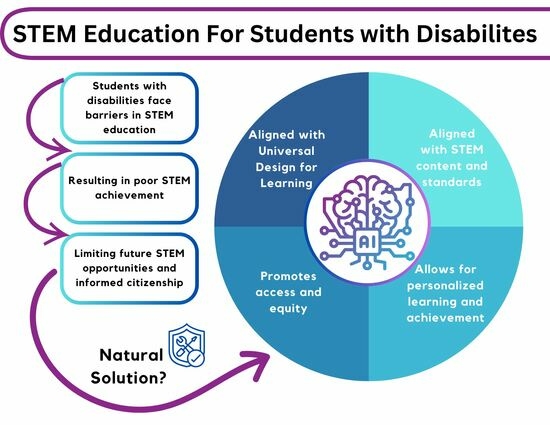
AI has immense potential to enhance accessibility and inclusivity in education. Features like AI-powered translation, speech-to-text, text-to-speech, and personalized interfaces can significantly benefit learners with disabilities or those in remote areas. AI can adapt content for diverse cultural backgrounds and learning preferences, ensuring that high-quality education is available to everyone, regardless of their circumstances. This democratizing effect is a crucial aspect of promoting global lifelong learning opportunities.
Challenges and Ethical Considerations in AI Education
While the promise of AI in education is vast, it is crucial to address the inherent challenges and ethical considerations to ensure its responsible deployment. Ignoring these aspects could lead to unintended consequences that undermine the very goals of personalized, equitable education.
Data Privacy and Security: Protecting Learner Information
The foundation of personalized learning relies on collecting and analyzing vast amounts of student data. This raises significant concerns about data privacy and security. Robust regulations, transparent data handling policies, and advanced cybersecurity measures are paramount to protect sensitive learner information from misuse or breaches. Trust in the system is fundamental for its widespread adoption.
Bias in AI Algorithms: Ensuring Fairness and Equity
AI algorithms are trained on existing data, which can inadvertently contain human biases. If not carefully managed, these biases can be perpetuated and even amplified by AI systems, leading to unfair recommendations, assessments, or opportunities for certain groups of learners. Developing and deploying unbiased AI is a critical challenge that requires diverse development teams, rigorous testing, and continuous auditing of algorithms to ensure fairness and equity for all.
Digital Divide: Bridging the Access Gap
The benefits of AI-driven education are contingent on access to technology and reliable internet connectivity. The existing digital divide could exacerbate inequalities if underserved communities lack the necessary infrastructure or devices to participate in AI-enhanced learning environments. Initiatives to ensure equitable access to technology and digital literacy training are essential to prevent further marginalization.
Practical Steps for Educators, Learners, and Organizations
Embracing the future of AI-driven education requires proactive engagement from all stakeholders. Here are actionable tips for educators, learners, and organizations to prepare for and thrive in this evolving landscape:
For Educators:
- Embrace AI Tools: Experiment with AI-powered grading tools, content recommendation engines, and adaptive learning platforms to understand their capabilities and limitations.
- Focus on Human-Centric Skills: Shift focus from rote memorization to teaching critical thinking, creativity, problem-solving, and emotional intelligence – skills that complement AI.
- Become Facilitators: Transition from being primary information dispensers to mentors and facilitators, guiding learners through personalized pathways and fostering deeper engagement.
- Advocate for Ethical AI: Participate in discussions about data privacy, algorithmic bias, and equitable access to ensure AI is developed and deployed responsibly.
For Learners:
- Cultivate Digital Literacy: Develop strong skills in navigating digital environments, evaluating online information, and understanding the basics of AI interaction.
- Practice Self-Directed Learning: Leverage AI tools to take ownership of your learning journey, exploring topics of interest and seeking out personalized resources.
- Develop "Human" Skills: Focus on communication, collaboration, adaptability, and creativity, as these will be highly valued in a future workforce augmented by AI.
- Seek Out Micro-credentials: Actively pursue specific skills and gain verifiable micro-credentials to build a dynamic portfolio relevant to evolving job markets.
For Organizations:
- Invest in AI-Powered Learning Platforms: Implement systems that support personalized learning, continuous skill gap analysis, and competency-based training for employees.
- Foster a Culture of Lifelong Learning: Encourage and incentivize employees to engage in continuous upskilling and reskilling, recognizing that learning is an ongoing process.
- Collaborate with EdTech Providers: Partner with companies developing innovative AI educational solutions to pilot new programs and integrate cutting-edge tools.
- Prioritize Ethical AI Deployment: Establish clear guidelines and robust oversight for the use of AI in training and development, ensuring fairness, privacy, and transparency.
Frequently Asked Questions
What is AI-driven personalized education?
AI-driven personalized education refers to an educational approach where Artificial Intelligence systems tailor the learning experience to each individual student's unique needs, preferences, and pace. This involves using AI to analyze learner data, adapt content, provide customized feedback, and recommend specific learning pathways and resources. The goal is to optimize engagement, comprehension, and retention, making learning far more effective and efficient than traditional one-size-fits-all methods.
How will AI impact skill development by 2025?
By 2025, AI will profoundly impact skill development by enabling continuous reskilling and upskilling for the future workforce. It will facilitate competency-based education, identify skill gaps through advanced analytics, and offer highly relevant, personalized learning pathways. AI-powered simulations and virtual labs will provide practical, immersive training, ensuring individuals acquire the precise skills needed for evolving job markets, fostering a culture of perpetual learning and adaptability.
What are the benefits of lifelong learning supported by AI?
AI significantly enhances lifelong learning by making it more accessible, engaging, and continuously relevant. Benefits include the ability to pursue micro-credentials for flexible skill acquisition, access to dynamically curated content, and personalized learning pathways that adapt to changing career goals. AI acts as a perpetual learning companion, ensuring individuals remain competitive and intellectually curious throughout their lives, fostering a proactive approach to personal and professional growth.
What ethical considerations are important for AI in education?
Key ethical considerations for AI in education include ensuring robust data privacy and security for sensitive learner information. It is crucial to address and mitigate bias in AI algorithms to ensure fairness and prevent discriminatory outcomes in learning recommendations or assessments. Additionally, bridging the digital divide is essential to ensure equitable access to AI-enhanced educational opportunities for all learners, preventing further marginalization based on socioeconomic status or geographic location.

0 Komentar