
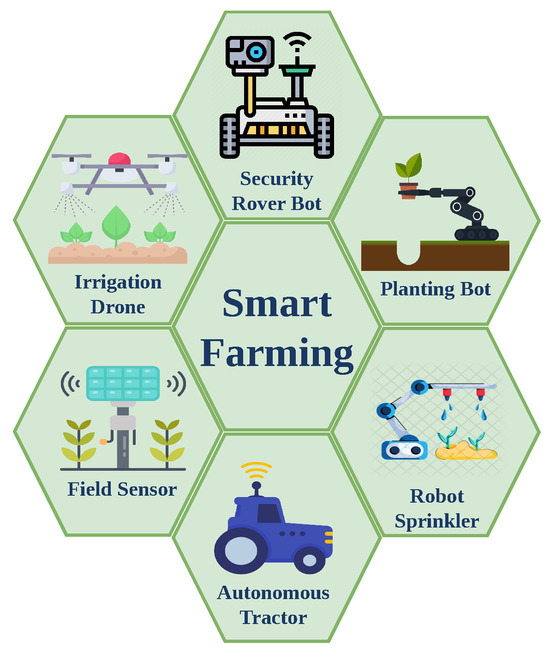
The Future of AI-Driven Precision Agriculture: Eradicating Global Hunger by 2025 Through Enhanced Food Security
The global challenge of food insecurity remains stark, yet a transformative revolution is underway. Artificial Intelligence (AI) is rapidly emerging as the cornerstone for a future where hunger is not merely reduced, but potentially eliminated. This comprehensive exploration delves into the profound impact of AI-driven precision agriculture and its pivotal role in enhancing global food security enhancement programs, setting an ambitious trajectory to eliminate hunger by 2025. Discover how cutting-edge AI technologies are optimizing every facet of food production, from seed to table, promising a more sustainable and equitable future for our planet's nutritional needs.
Revolutionizing Crop Management with AI and Machine Learning
At the heart of modern agricultural innovation lies the ability to make data-driven decisions. AI, particularly through machine learning algorithms, is fundamentally changing how farmers manage their crops. Instead of broad-stroke applications, AI enables hyper-localized interventions, leading to significant improvements in efficiency and yield. This shift from traditional farming to smart agriculture solutions is crucial for feeding a growing global population.
Optimizing Resource Utilization Through Intelligent Systems
- Precision Irrigation: AI systems analyze real-time data from soil moisture sensors, weather forecasts, and crop growth stages to determine the exact amount of water needed, when and where. This minimizes water waste, a critical factor in regions facing water scarcity. Smart irrigation can reduce water consumption by up to 30-50% compared to traditional methods.
- Nutrient Management: AI-powered drones and satellite imagery equipped with hyperspectral cameras can detect nutrient deficiencies in specific areas of a field long before they are visible to the human eye. Farmers receive precise recommendations for fertilizer application, ensuring plants get what they need without over-fertilization, which can harm the environment. This leads to efficient resource management and reduced input costs.
- Pest and Disease Prediction: Machine learning models, trained on vast datasets of historical weather patterns, crop health, and pest outbreaks, can predict the likelihood of pest infestations or disease spread. Early detection allows for targeted, minimal intervention, reducing reliance on broad-spectrum pesticides and fungicides, thus fostering more sustainable farming practices.
Enhancing Crop Yield and Quality with Predictive Analytics
Maximizing yield while maintaining crop quality is a perpetual goal in agriculture. AI provides the predictive capabilities necessary to achieve this with unprecedented accuracy. By analyzing complex variables, AI helps farmers anticipate challenges and opportunities, leading to improved outcomes and a more stable food supply.
The integration of big data analytics with AI models allows for sophisticated forecasting. For instance, AI can predict optimal planting times, harvesting windows, and even the best crop varieties for specific soil types and microclimates. This granular insight contributes directly to crop yield optimization, ensuring every square meter of arable land produces its maximum potential.
Advanced Applications for Boosting Agricultural Productivity
- Automated Harvesting: AI-driven robots are increasingly capable of identifying ripe produce and harvesting it with precision, reducing labor costs and minimizing crop damage. This is particularly beneficial for delicate crops, ensuring higher quality produce reaches markets.
- Weed Detection and Removal: AI-powered vision systems on robotic cultivators can differentiate between crops and weeds with remarkable accuracy, enabling mechanical weeding or highly localized herbicide application, significantly reducing chemical use and promoting healthier soil.
- Crop Variety Selection: AI can analyze genetic data of various crop varieties alongside environmental conditions to recommend the most resilient and productive strains for a particular farm, enhancing climate resilience in agriculture.
Strengthening Global Food Security Enhancement Programs
The ambition to eliminate hunger by 2025 is audacious, yet AI offers tangible pathways towards this goal. By addressing inefficiencies and vulnerabilities across the entire food value chain, AI can significantly bolster food security enhancement programs.
Addressing Food Waste and Supply Chain Efficiency
Food waste is a major contributor to global hunger, with an estimated one-third of all food produced for human consumption lost or wasted globally. AI offers powerful solutions:
- Demand Forecasting: AI algorithms can analyze consumer purchasing patterns, seasonal trends, and even social media sentiment to predict demand more accurately. This helps producers and retailers optimize inventory, reducing spoilage and overproduction.
- Logistics Optimization: AI-powered route optimization for transportation, real-time monitoring of produce quality during transit, and predictive maintenance for cold chain equipment minimize losses during distribution. This strengthens food supply chains, ensuring food reaches consumers efficiently.
- Quality Control and Sorting: AI vision systems can rapidly inspect and sort produce based on quality, identifying damaged or imperfect items that might otherwise spoil entire batches. This reduces waste at processing plants and ensures only high-quality products enter the market.
Empowering Smallholder Farmers
A significant portion of the world's food is produced by smallholder farmers, many of whom face challenges accessing resources, knowledge, and markets. AI can bridge these gaps:
- Accessible Data Insights: AI-powered mobile applications can provide personalized advice on planting, pest management, and market prices, even to farmers with limited internet access, via SMS or simplified interfaces.
- Financial Inclusion: AI can help microfinance institutions assess creditworthiness more accurately for smallholder farmers, facilitating access to loans for seeds, fertilizers, and equipment.
- Market Linkages: AI platforms can connect smallholder farmers directly to buyers, reducing reliance on intermediaries and ensuring fairer prices for their produce, thus improving their livelihoods and contributing to regional nutritional security.
The Interplay of Policy, Innovation, and AI Adoption
Achieving the 2025 hunger elimination goal through AI requires more than just technological prowess; it demands a concerted effort from governments, international organizations, private sectors, and local communities. Policy frameworks must evolve to support the widespread adoption of digital agriculture and ensure equitable access to these technologies.
Key Pillars for Accelerating AI Integration
- Investment in Infrastructure: Expanding rural internet connectivity and developing affordable sensor technology are crucial for making AI solutions accessible to all farmers, including those in remote areas.
- Skill Development and Training: Programs must be established to train farmers and agricultural extension workers in the use of AI tools, ensuring they can harness the full potential of these innovations.
- Data Governance and Ethics: Robust frameworks are needed to manage agricultural data, ensuring privacy, security, and fair access, while also addressing ethical considerations related to AI in food production.
- Public-Private Partnerships: Collaboration between governments, tech companies, research institutions, and NGOs is vital to scale up successful AI initiatives and address unique regional challenges. (For more on global collaboration, explore [link to a resource on international agricultural development]).
The transformative power of agricultural innovation, driven by AI, extends beyond mere efficiency. It fundamentally redefines our approach to food production, making it more resilient, sustainable, and equitable. The focus on global food security enhancement programs leveraging AI is not just about increasing output; it's about building systems that can withstand climate shocks, optimize nutrient delivery, and ensure that nutritious food reaches every individual, regardless of their location or economic status.
Addressing Challenges and Ensuring Equitable Access
While the promise of AI in agriculture is immense, its widespread adoption faces hurdles. These include the high initial cost of technology, lack of digital literacy in many farming communities, and the need for robust data infrastructure. Overcoming these challenges is paramount for AI to truly serve as a tool for global hunger elimination.
One critical aspect is ensuring that the benefits of AI are not concentrated in large-scale commercial farms. Programs specifically designed to adapt AI solutions for smallholder farmers, providing affordable or subsidized access to technology and training, will be vital. This includes developing AI applications that are low-bandwidth, user-friendly, and culturally relevant.
Building a Resilient Food System Through AI
- Climate Change Adaptation: AI models can predict the impact of extreme weather events on crops and livestock, allowing farmers to take proactive measures. They can also identify drought-resistant crop varieties or optimize planting schedules to adapt to changing seasons, enhancing overall climate resilience.
- Traceability and Food Safety: AI, often combined with blockchain technology, can create transparent and immutable records of food origin, production processes, and supply chain movements. This enhances food safety, helps in rapid recall management, and builds consumer trust (discover more about [link to an article on blockchain in agriculture]).
- Nutritional Security Focus: Beyond just calories, AI can help optimize for nutritional content. By analyzing soil composition, crop genetics, and environmental factors, AI can guide farmers to produce crops with higher vitamin and mineral content, contributing to better nutritional security globally.
The integration of AI into every layer of the agricultural ecosystem represents a paradigm shift. From advanced sensor technology monitoring individual plants to complex algorithms optimizing global supply chains, AI is the engine driving the next green revolution. This technological leap offers a tangible path to achieving the ambitious goal of a hunger-free world by 2025, transforming challenges into opportunities for unprecedented progress.
Frequently Asked Questions
How does AI specifically help precision agriculture?
AI assists precision agriculture by enabling highly targeted and data-driven decision-making. It processes vast amounts of data from sensors, drones, and satellites to provide insights on soil health, water needs, nutrient deficiencies, and pest/disease presence at a granular level. This allows farmers to apply resources (water, fertilizers, pesticides) precisely where and when needed, minimizing waste, optimizing inputs, and maximizing yields, leading to more efficient and sustainable farming practices.
Can AI truly eliminate global hunger by 2025?
While AI offers powerful tools to significantly enhance global food security and reduce hunger, achieving complete elimination by 2025 is an ambitious goal that depends on numerous factors beyond technology. These include political stability, equitable resource distribution, effective policy implementation, climate action, and widespread adoption of AI solutions, especially among smallholder farmers. AI provides the technological capability, but its full impact relies on a coordinated global effort and overcoming socio-economic barriers.
What are the main challenges to implementing AI in agriculture globally?
Key challenges include the high initial investment cost for AI technologies and smart farming equipment, lack of adequate digital infrastructure (e.g., internet connectivity) in rural areas, a deficit in digital literacy and technical skills among farmers, data privacy and security concerns, and the need for standardized data collection and sharing protocols. Additionally, adapting AI solutions to diverse agricultural contexts and ensuring equitable access for smallholder farmers remain significant hurdles.
How does AI benefit smallholder farmers?
AI benefits smallholder farmers by providing access to crucial information and tools that were previously unavailable or unaffordable. This includes personalized advice on crop management via mobile apps, predictive analytics for weather and market prices, improved access to credit through AI-driven financial assessments, and better market linkages to sell their produce directly. By empowering them with knowledge and connections, AI can significantly improve their productivity, income, and overall food security.

0 Komentar