
Unlocking the Future: The Vital Role of Quantum Computing Outreach and Public Awareness
In an era where technological advancements redefine our world at an unprecedented pace, quantum computing stands as one of the most transformative frontiers. However, its complex nature often leaves the general public bewildered. This comprehensive guide delves into why quantum computing outreach and public awareness are not just beneficial, but absolutely vital for shaping our collective technological future. We will explore effective strategies, address the unique challenges, and highlight the profound importance of demystifying quantum mechanics for everyone, from curious students to influential policymakers, ensuring a truly quantum-literate society capable of embracing this revolutionary technology. Understanding the societal impact of quantum is crucial for fostering broad support and responsible development, helping to bridge the quantum knowledge gap and cultivate a robust public understanding of quantum technology.
Why Quantum Computing Outreach is Critically Important
The advent of quantum computing promises to revolutionize fields ranging from medicine and materials science to cryptography and artificial intelligence. Yet, without widespread understanding, its potential benefits, and indeed its risks, remain obscure to most. Effective quantum computing outreach is essential for several key reasons:
- Fostering Public Support and Investment: Large-scale public and private investment in quantum research and development hinges on an informed populace and supportive policymakers. When the public understands the transformative potential, they are more likely to advocate for funding and policy frameworks that accelerate progress.
- Building a Future Workforce: The quantum industry is nascent but growing rapidly, demanding a highly specialized workforce. Quantum technology education programs, starting from early STEM initiatives, are crucial for inspiring the next generation of quantum scientists, engineers, and technicians. This includes promoting workforce development in quantum across various educational levels.
- Informed Ethical and Societal Debates: Like any powerful technology, quantum computing raises significant ethical considerations, from data privacy to national security. A quantum-literate society can engage in more informed discussions about these issues, ensuring responsible development and deployment of quantum systems. This contributes to a deeper understanding of the societal impact of quantum.
- Driving Innovation and Adoption: Public awareness encourages broader participation and creative problem-solving. As more individuals grasp the fundamentals, new applications and entrepreneurial ventures are likely to emerge, accelerating the practical adoption of quantum solutions.
- Combating Misinformation: The complexity of quantum mechanics can be fertile ground for misconceptions and exaggerated claims. Proactive science communication helps to present accurate information, manage expectations, and build trust in the scientific process.
Challenges in Communicating Quantum Concepts
Explaining quantum computing to a general audience is inherently challenging due to its counter-intuitive nature and reliance on advanced physics. Several hurdles must be overcome:
- Abstract and Counter-Intuitive Concepts: Quantum phenomena like superposition and entanglement defy classical intuition. They are not easily visualized or related to everyday experiences, making them difficult to grasp without a strong physics background.
- Technical Jargon: The field is rife with specialized terminology (qubits, gates, coherence, decoherence) that can alienate lay audiences. Simplifying this language without losing accuracy is a delicate balance.
- Perceived Complexity: Many people are intimidated by the word "quantum" itself, associating it with highly theoretical and inaccessible physics. This perception can create an immediate barrier to engagement.
- Lack of Tangible Applications (for now): While promising, widespread practical applications of fault-tolerant quantum computers are still some years away. This makes it harder for the public to connect with its immediate relevance.
Effective Strategies for Enhancing Quantum Public Awareness
Despite the challenges, numerous effective strategies can be employed to enhance public understanding of quantum computing. These approaches focus on clarity, engagement, and accessibility.
1. Simplification Through Analogies and Visualizations
The most powerful tool for demystifying quantum mechanics is the use of clear, relatable analogies and compelling visualizations. While no analogy is perfect, they provide a necessary bridge to abstract concepts.
- Everyday Analogies: Compare superposition to a spinning coin before it lands, or entanglement to two distant, synchronized clocks. Emphasize that these are simplifications but help build foundational understanding.
- Interactive Visualizations: Develop online simulations, animated videos, and interactive graphics that demonstrate quantum principles without requiring deep mathematical knowledge. Platforms like YouTube and educational websites are ideal for this.
- Storytelling: Frame quantum discoveries and their potential impact as compelling narratives rather than dry scientific facts. Highlight the human element of innovation and problem-solving.
2. Diverse Educational Programs and Resources
Targeting various age groups and educational backgrounds ensures broad quantum literacy.
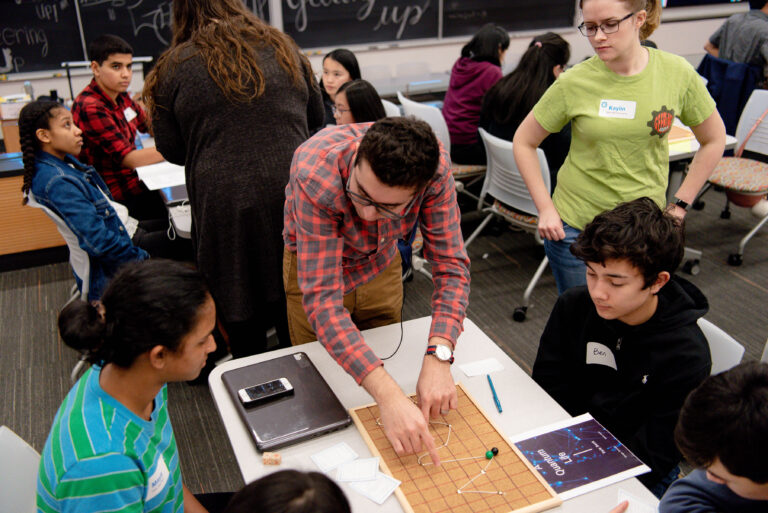
- K-12 STEM Outreach Programs: Introduce basic concepts of quantum physics and computing in age-appropriate ways. This could involve hands-on kits, guest speakers, or simplified curricula designed for schools. Focus on sparking curiosity early.
- University-Level Curricula: Beyond specialized physics and computer science departments, offer interdisciplinary courses on quantum computing for students in engineering, business, and policy.
- Public Workshops and Webinars: Host accessible online and in-person sessions for the general public, community groups, and lifelong learners. These can range from introductory talks to more in-depth explorations.
- Open-Source Educational Platforms: Develop and promote free online courses (MOOCs), tutorials, and documentation that allow anyone to learn at their own pace. Examples include IBM Quantum Experience's tutorials or Microsoft's Qlearning resources. (Internal link suggestion: Learn more about quantum computing fundamentals)
- Citizen Science Initiatives: Engage the public directly in quantum research through citizen science projects, however small. This fosters a sense of ownership and direct participation in the scientific endeavor.
3. Strategic Media Engagement
Collaborating with journalists, content creators, and media outlets is crucial for amplifying outreach efforts.
- Expert Interviews and Commentary: Encourage quantum scientists and engineers to participate in media interviews, podcasts, and documentaries. Train them in effective science communication techniques.
- Accessible Articles and Blogs: Publish articles in popular science magazines, news outlets, and blogs that translate complex quantum topics into understandable language.
- Social Media Campaigns: Utilize platforms like Twitter, LinkedIn, and Instagram to share bite-sized information, answer questions, and promote quantum events and resources.
- Documentaries and Explainer Videos: Fund or support the creation of high-quality documentaries and short explainer videos that can reach a wide audience through streaming services and online platforms.
4. Hands-on Experiences and Interactive Demonstrations
For many, learning by doing is the most effective method. Providing opportunities for direct interaction with quantum concepts, even simulated ones, can be incredibly impactful.
- Quantum Simulators: Offer access to online quantum simulators where users can build simple quantum circuits and observe their behavior. This allows for experimentation without needing a physical quantum computer.
- Public Labs and Exhibits: Establish interactive exhibits in science museums, universities, or public spaces that demonstrate quantum principles through engaging displays.
- Hackathons and Coding Challenges: Organize events where participants, including those with limited prior knowledge, can explore quantum programming through guided challenges. This promotes practical engagement with the future of computing.
Target Audiences for Quantum Outreach
Effective outreach requires tailoring messages and methods to specific groups:
- The General Public: Focus on the "what" and "why" – what is quantum computing and why should they care? Emphasize potential societal benefits and the exciting future it promises.
- K-12 Students: Ignite curiosity through fun, hands-on activities and relatable concepts. Introduce the idea of new ways of computing and problem-solving. This is vital for long-term workforce development in quantum.
- University Students (Non-STEM): Provide interdisciplinary perspectives, focusing on the impact on their respective fields (e.g., business, law, arts).
- Policymakers and Government Officials: Emphasize strategic importance, national security implications, economic opportunities, and the need for sustained funding and supportive regulatory frameworks.
- Industry Leaders and Investors: Focus on competitive advantages, return on investment, and the transformative potential for their specific sectors.
- Educators: Equip teachers with the resources and training necessary to introduce quantum concepts effectively in their classrooms.
Measuring Success in Quantum Outreach
To ensure efforts are effective and resources are well-spent, it's crucial to measure the impact of outreach initiatives:
- Engagement Metrics: Track website traffic, video views, social media engagement (likes, shares, comments), event attendance, and workshop participation.
- Knowledge Retention: Implement pre- and post-surveys in educational programs to assess improvements in participants' understanding of quantum concepts.
- Attitudinal Shifts: Measure changes in public perception regarding quantum computing – e.g., increased excitement, reduced apprehension, or greater belief in its potential.
- Workforce Pipeline: Monitor enrollment in quantum-related courses, participation in quantum internships, and entry into quantum careers as long-term indicators of success in quantum literacy.
- Media Coverage and Sentiment: Analyze media mentions and the overall tone of public discourse around quantum computing.
The Role of Collaboration in Quantum Literacy
No single entity can achieve widespread quantum computing outreach and public awareness alone. Collaboration across sectors is paramount:
- Academia: Universities are key for fundamental research, developing curricula, and training the next generation. They can also host public lectures and open labs.
- Industry: Companies developing quantum hardware and software have a vested interest in a quantum-literate public and workforce. They can provide resources, expertise, and practical applications for outreach materials.
- Government Agencies: National science foundations and technology departments play a crucial role in funding research, establishing national quantum initiatives, and promoting STEM education.
- Non-Profits and Science Communicators: Organizations dedicated to public science education are experts in translating complex topics into engaging content for diverse audiences.
- Media Outlets: Journalists, documentary filmmakers, and content creators are essential partners in disseminating information widely and accurately.
By working together, these stakeholders can create a cohesive and powerful ecosystem for quantum technology education, ensuring that the promise of quantum computing is understood and embraced by society at large. This collective effort is critical for addressing the ethical considerations of quantum and ensuring its responsible development.
Frequently Asked Questions
What is the main goal of quantum computing outreach?
The main goal of quantum computing outreach and public awareness is to demystify quantum mechanics and its applications for the general public, policymakers, and future generations. It aims to foster a basic understanding of what quantum computing is, why it matters, its potential societal impact, and to inspire interest in STEM fields, ultimately building a quantum-literate society capable of engaging with and contributing to this transformative technology. This helps to bridge the quantum knowledge gap and ensures broad public understanding of quantum advancements.
Why is it so difficult to explain quantum computing to the public?
Explaining quantum computing is challenging primarily because its core concepts – such as superposition, entanglement, and quantum tunneling – are fundamentally counter-intuitive and defy our everyday classical experiences. These phenomena cannot be easily visualized or analogized without simplification, and the field is rich with complex technical jargon. Overcoming these hurdles requires creative science communication strategies that use relatable examples and interactive tools to make abstract ideas more accessible.
How can schools integrate quantum computing concepts into their curriculum?
Schools can integrate quantum technology education by starting with age-appropriate introductions to basic quantum physics concepts in science classes, focusing on the "weirdness" of the quantum world to spark curiosity. For older students, this could involve introducing simple quantum computing concepts through online simulators, coding challenges, or projects that explore the potential applications of quantum computing in various fields. Collaborating with universities and industry for guest speakers or workshops can also provide valuable real-world context and inspire future workforce development in quantum.
What are some practical tips for individuals interested in learning about quantum computing?
For individuals interested in learning about quantum computing, start with accessible online resources. Look for introductory courses on platforms like Coursera, edX, or the IBM Quantum Experience, which offer free tutorials and simulators. Watch explainer videos on YouTube from reputable science communicators. Read popular science books on quantum mechanics and computing that use analogies to simplify concepts. Don't be afraid to experiment with online quantum programming environments like Qiskit or Cirq, even if you start with basic examples. Focus on understanding the core principles rather than getting bogged down in complex mathematics initially. Joining online communities or forums can also provide support and opportunities for discussion about the future of computing.

0 Komentar