
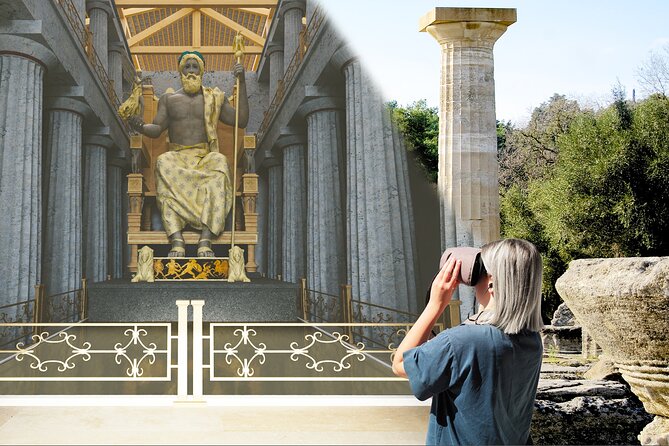
Unlocking the Past: Your Comprehensive Guide to Virtual Reality Tours of Historical Landmarks
Step into a time machine without leaving your living room. Virtual reality tours of historical landmarks are revolutionizing how we connect with ancient civilizations, iconic structures, and pivotal moments in human history. This isn't just about viewing static images; it's about experiencing fully immersive environments that transport you directly to the Colosseum in its prime, the bustling markets of ancient Egypt, or the intricate details of a forgotten temple. As a professional SEO expert, I understand the immense value this technology brings, not just to education and entertainment, but also to the preservation and accessibility of our global digital heritage. Dive in to discover how VR is reshaping our understanding of the past and why it's a must-explore for history enthusiasts, educators, and curious minds alike.
The Transformative Power of VR in Heritage Exploration
The advent of virtual reality has ushered in an unprecedented era for exploring and interacting with history. No longer confined to textbooks or grainy documentaries, the past is now a vibrant, three-dimensional space waiting to be explored. This technological leap offers profound advantages, extending far beyond mere novelty to genuinely enhance our understanding and appreciation of historical sites.
Bridging Time and Distance with Immersive Experiences
One of the most compelling aspects of virtual reality historical tours is their unparalleled ability to eliminate geographical and temporal barriers. Imagine exploring the pyramids of Giza, the Great Wall of China, or the ruins of Pompeii from thousands of miles away, or even experiencing them as they were centuries ago. For those with limited mobility, financial constraints, or geographical remoteness, VR offers a truly democratic access to the world's most significant sites. This capability transforms virtual tourism into a powerful tool for global cultural exchange, allowing anyone, anywhere, to engage with diverse historical narratives.
Enhancing Educational Experiences Through Interactive Learning
For educators and students, VR historical tours represent a monumental shift in learning methodologies. Traditional learning often struggles to convey the scale, context, and atmosphere of historical events and locations. VR, however, provides an interactive learning environment where students can walk through ancient cities, examine artifacts up close, and even witness historical events unfold. This active engagement fosters deeper understanding and retention, moving beyond rote memorization to a more experiential and memorable educational process. Schools and universities are increasingly adopting this educational technology to make history come alive, transforming passive consumption into active exploration.
Preserving Our Digital Heritage for Future Generations
Beyond accessibility and education, virtual reality tours of historical landmarks play a critical role in cultural preservation. Many historical sites are vulnerable to environmental degradation, natural disasters, or the sheer volume of tourist traffic. Creating detailed 3D models and VR experiences of these locations serves as a digital archive, ensuring their intricate details and historical context are preserved indefinitely. This digital heritage acts as a safeguard, offering a comprehensive record even if the physical sites are damaged or lost. It's a proactive approach to safeguarding humanity's shared past, making it available for future generations to study and appreciate.
How Virtual Reality Tours of Historical Landmarks Work
Understanding the technology behind these breathtaking experiences enhances appreciation for the meticulous effort involved. Creating a historically accurate and engaging VR environment is a complex process that combines cutting-edge technology with rigorous historical research.
From Data Capture to Immersive Renderings: The Creation Process
The foundation of any high-quality VR historical tour lies in accurate data capture. This often involves techniques like photogrammetry, where thousands of photographs are taken from various angles and stitched together to create highly detailed 3D models of existing structures. For ruined or lost structures, laser scanning (LIDAR) might be used to map existing foundations, combined with extensive archaeological and historical research to inform 3D reconstruction. Expert historians, archaeologists, and architects collaborate to ensure historical accuracy, meticulously recreating details from building materials and decorative elements to the ambient sounds and lighting of the era. This data is then processed and rendered into a navigable virtual environment, optimized for various VR platforms.
The User Experience: Devices and Interaction
Accessing these immersive experiences typically requires a VR headset (e.g., Oculus Quest, HTC Vive, PlayStation VR) connected to a powerful PC or a standalone unit. Once inside the virtual world, users can navigate using controllers, gaze-based interaction, or even hand tracking. Many tours offer interactive elements: picking up artifacts, listening to narrated histories, or even interacting with virtual historical figures. The goal is to make the user feel truly present within the historical setting, fostering a sense of discovery and profound connection to the past. The quality of the experience often hinges on the resolution of the headset, the computational power of the device, and the fluidity of the navigation controls.
Key Benefits for Different Audiences
The widespread appeal of virtual reality tours of historical landmarks stems from their diverse benefits tailored to various user groups.
- For Tourists and Travelers: VR offers a unique "try before you buy" experience, allowing potential visitors to explore sites and decide which ones to prioritize for physical travel. For those unable to travel, it provides a fulfilling alternative, delivering rich virtual tourism experiences from home.
- For Educators and Students: Beyond basic learning, VR transforms history lessons into engaging adventures. Students can "walk" through ancient Rome, explore the intricacies of archaeological sites, or witness key events, leading to enhanced comprehension and a deeper passion for the subject. It’s an unparalleled tool for interactive learning.
- For Researchers and Historians: VR models serve as invaluable tools for academic study. Researchers can analyze sites from new perspectives, test theories about construction or use, and collaborate on shared virtual environments, contributing significantly to historical accuracy and new discoveries.
- For Individuals with Accessibility Needs: For those with physical limitations, VR provides an unprecedented level of accessibility to sites that might otherwise be impossible to visit. Steep steps, uneven terrain, or crowded spaces become non-issues in the virtual realm, democratizing access to global heritage.
- For Cultural Preservationists: As discussed, VR creates precise digital twins of sites, safeguarding them against decay, damage, or loss. This proactive cultural preservation ensures that the knowledge and visual representation of these landmarks endure indefinitely.
Overcoming Challenges in VR Historical Recreation
While the potential of virtual reality tours of historical landmarks is immense, their development is not without significant hurdles. Addressing these challenges is crucial for the continued growth and acceptance of this innovative field.
Ensuring Historical Accuracy and Authenticity
One of the paramount challenges is maintaining historical accuracy. Unlike modern environments, ancient civilizations and their structures require extensive scholarly input. Developers must consult with archaeologists, historians, and cultural experts to ensure that every detail, from the color of frescoes to the layout of a marketplace, is as true to life as possible based on current research. Misrepresentation can undermine the educational value and credibility of the experience. This often involves iterative design processes, peer review, and a commitment to updating content as new discoveries emerge. The aim is to balance immersive entertainment with rigorous academic integrity.
Technical Hurdles and Accessibility
Despite advancements, technical barriers persist. High-quality VR experiences often demand significant computational power, which can be a limitation for users with older hardware. The cost of VR headsets, though decreasing, can still be a barrier to entry for many. Furthermore, issues like motion sickness (cybersickness) can affect some users, impacting the overall enjoyment and adoption. Developers are continually working on optimizing experiences for broader hardware compatibility, improving frame rates to reduce motion sickness, and designing more intuitive user interfaces to enhance overall accessibility.
Actionable Tips for Experiencing the Best VR Historical Tours
Ready to embark on your own digital journey through time? Here are some practical tips to maximize your virtual reality historical tour experience:
- Choose Your Platform Wisely: Research the available VR headsets and platforms (e.g., Meta Quest, Valve Index, PlayStation VR) to find one that fits your budget and technical requirements. Some tours are platform-exclusive.
- Seek Out Curated Content: Look for tours developed by reputable institutions, museums, or established VR content creators. These are more likely to prioritize historical accuracy and offer a polished, engaging experience. Read reviews and watch trailers.
- Prepare Your Space: Ensure you have adequate clear space to move around if the experience supports room-scale VR. Charge your headset and controllers fully before starting.
- Optimize Your Internet Connection: Many VR experiences, especially those that stream content or require multiplayer interaction, benefit from a stable and fast internet connection.
- Immerse Yourself Fully: Use headphones for the best audio experience, which often includes ambient sounds and historical narration. Minimize distractions in your physical environment to enhance the feeling of presence.
- Explore Beyond the Main Path: Many VR tours include hidden details, interactive objects, or branching narratives. Take your time to explore every corner and interact with everything you can.
- Consider Educational Companions: For educators, look for tours that come with lesson plans or supplementary materials to integrate them seamlessly into your curriculum. (Discover more about VR in education here).
The Future of Virtual Reality in Cultural Tourism
The trajectory of virtual reality tours of historical landmarks points towards an even more sophisticated and integrated future. As technology evolves, so too will our ability to connect with and understand the past.
AI Integration and Haptic Feedback: Next-Level Immersion
The integration of Artificial Intelligence (AI) promises to make VR historical tours even more dynamic and responsive. Imagine AI-powered historical guides who can answer spontaneous questions about ancient civilizations, or virtual historical figures with whom you can have realistic conversations. Haptic feedback technology, which simulates the sense of touch, will add another layer of realism, allowing users to "feel" the rough texture of an ancient stone wall or the vibrations of a bustling marketplace. These advancements will deepen the sense of presence and interactivity, pushing the boundaries of immersive experiences.
Collaborative Virtual Spaces: Social VR Experiences
The future of travel and historical exploration will increasingly involve social VR. Imagine meeting friends, family, or fellow history enthusiasts from around the globe in a shared virtual reconstruction of the Roman Forum. These collaborative virtual spaces will allow for guided group tours, interactive discussions, and shared discoveries, transforming a solitary experience into a communal one. This social dimension will not only enhance engagement but also foster a global community passionate about digital heritage and its preservation.
Frequently Asked Questions
What exactly is a virtual reality tour of a historical landmark?
A virtual reality tour of a historical landmark is an immersive digital experience that uses VR technology to transport users to a specific historical site. Unlike traditional videos or photos, these tours allow users to navigate a 3D environment, often recreated with meticulous historical accuracy based on archaeological and scholarly research. Users can typically explore the site from various angles, interact with objects, and learn about its history through narration, text, or interactive elements. It provides a sense of presence, making you feel as if you are physically there, exploring ancient civilizations firsthand.
Are VR historical tours historically accurate?
The level of historical accuracy in VR historical tours varies significantly depending on the developer and their commitment to research. Reputable tours, often developed in collaboration with archaeologists, historians, and museums, strive for the highest degree of accuracy, using techniques like 3D reconstruction based on extensive evidence. However, some experiences might prioritize entertainment over strict accuracy, taking creative liberties. It's always advisable to check the credentials of the creators and read reviews to gauge the historical fidelity of a specific tour. The best experiences blend cutting-edge technology with rigorous academic backing to ensure an authentic representation of digital heritage.
What equipment do I need for a VR historical tour?
To experience a virtual reality tour of a historical landmark, you will typically need a VR headset. Common options include standalone headsets like the Meta Quest series, or PC-tethered headsets such as the Valve Index or HTC Vive, which require a powerful computer. Some platforms also support console-based VR, like PlayStation VR. Beyond the headset, most experiences utilize handheld controllers for navigation and interaction. While not strictly necessary, using headphones can significantly enhance the immersive experience by providing spatial audio and clearer narration, fully transporting you to the archaeological sites.
Can VR replace actual travel to historical sites?
While virtual reality tours of historical landmarks offer an unparalleled level of access and immersion, they are generally seen as a complement to, rather than a replacement for, physical travel. VR excels at providing context, detail, and access to otherwise inaccessible or non-existent historical states. It can serve as a fantastic educational tool, a pre-travel planning aid, or an accessible alternative for those unable to travel. However, it cannot fully replicate the sensory richness of physical travel – the smell of ancient stone, the feel of the sun on your face, or the unpredictable encounters with local culture. It's a powerful form of virtual tourism that enhances, rather than diminishes, the value of real-world exploration and cultural preservation.
How can educators integrate VR historical tours into curricula?
Educators can integrate VR historical tours into curricula in several impactful ways to enhance interactive learning. They can use tours as virtual field trips, allowing students to explore ancient civilizations and archaeological sites firsthand. VR can serve as a powerful visual aid before or after discussing a historical period, providing context that textbooks cannot. Teachers can assign specific tasks within the VR environment, such as identifying architectural features or locating artifacts. Post-tour discussions, research projects, or even creative writing assignments based on the VR experience can further solidify learning. VR, as a form of educational technology, fosters deeper engagement and makes history more tangible and exciting for students.

0 Komentar