
Virtual Reality for Pain Management and Relief: An Innovative, Non-Pharmacological Solution
Imagine a world where your most debilitating discomfort could be significantly eased, not by medication, but by stepping into an entirely different reality. This is the promise of virtual reality for pain management and relief, a groundbreaking approach rapidly transforming how we perceive and treat pain. As a leading edge in healthcare innovation, VR therapy offers an immersive escape, leveraging the brain's incredible capacity to alter pain perception. This comprehensive guide delves into the science, applications, and practical insights of using VR as a powerful tool against both acute and chronic pain, offering a compelling alternative or complement to traditional methods.
Understanding the Science Behind VR Pain Relief
The efficacy of virtual reality in alleviating pain is rooted deeply in neuroscience and cognitive psychology. At its core, VR works primarily through a powerful mechanism known as distraction therapy. When a patient is immersed in a captivating virtual environment, their brain is extensively engaged in processing the sensory input from the VR experience – sights, sounds, and sometimes even haptic feedback. This intense cognitive load diverts the brain's attention away from pain signals originating from the body. Essentially, the brain has a finite capacity for processing information; by filling that capacity with compelling virtual stimuli, there's less "room" for pain signals to register consciously and intensely.
Beyond simple distraction, VR also taps into principles akin to cognitive behavioral therapy (CBT) techniques. It can help patients reframe their relationship with pain, reduce anxiety often associated with painful procedures or conditions, and even teach relaxation techniques. For instance, a VR environment might guide a patient through a calming meditation in a serene landscape, directly impacting their physiological response to stress and pain. The feeling of presence, the sensation of "being there," is crucial. This immersive experience creates a powerful psychological shift, making the virtual world feel more real than the painful physical reality.
Furthermore, VR can influence the brain's pain matrix by modulating neural pathways. Research in the neuroscience of pain suggests that VR can impact areas of the brain involved in pain processing, emotional regulation, and self-awareness. By altering these neural activities, VR doesn't just mask pain; it can genuinely reduce the intensity of pain signals reaching the conscious mind. This makes it a compelling non-pharmacological intervention, reducing the reliance on opioids and other medications, especially in sensitive populations or for long-term management.
Key Mechanisms of VR Pain Alleviation:
- Sensory Overload & Distraction: The brain prioritizes novel, engaging sensory input, effectively "hijacking" attention from pain signals.
- Emotional Regulation: VR can evoke positive emotions, reduce anxiety, and promote relaxation, all of which lower pain perception.
- Cognitive Re-framing: By altering one's perceived reality, VR helps individuals shift their focus from the pain itself to the engaging virtual environment.
- Gate Control Theory: VR stimulates large nerve fibers (e.g., visual, auditory), which can close the "pain gate" in the spinal cord, reducing pain signal transmission.
- Biofeedback Integration: Advanced VR systems can incorporate biofeedback, allowing patients to visualize their physiological responses (heart rate, skin conductance) and learn to control them, further enhancing pain control.
Applications of Virtual Reality in Pain Management
The versatility of virtual reality for pain management and relief extends across a wide spectrum of medical scenarios, addressing both sudden, intense discomfort and persistent, debilitating conditions.
Managing Acute Pain
For acute pain, VR has shown remarkable effectiveness, particularly in situations where patients experience significant anxiety or discomfort during medical procedures. Consider its use in:
- Burn Wound Care: One of the earliest and most impactful applications. Patients undergoing painful debridement or dressing changes often report dramatic reductions in pain scores when immersed in VR worlds, such as snowy landscapes or engaging games like "SnowWorld." The cold, distracting environment directly contrasts with the burning sensation.
- Dental Procedures: VR can calm anxious patients during fillings, extractions, or root canals, making the experience less traumatic and often reducing the need for sedatives.
- Injections and Vaccinations: For children and adults alike, the fear of needles can be overwhelming. VR provides a perfect diversion, transforming a stressful event into a manageable one.
- Post-operative Recovery: Patients recovering from surgery can use VR to manage immediate post-op pain, reduce anxiety, and promote relaxation, potentially leading to faster recovery and reduced medication use.
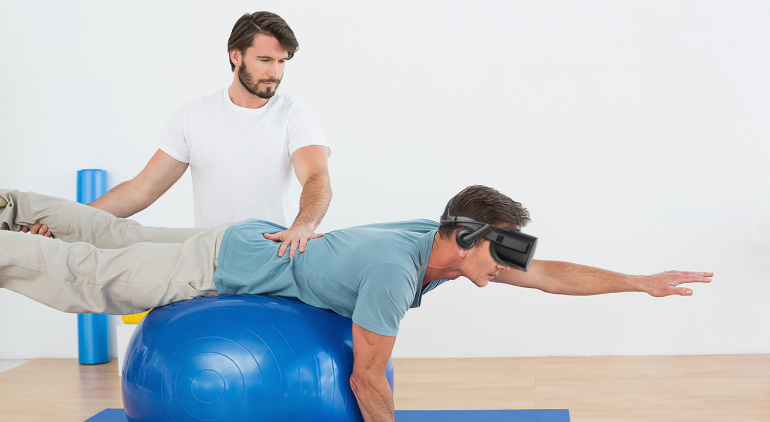
- Physical Therapy Sessions: VR can make repetitive or painful rehabilitation exercises more engaging and tolerable, improving patient compliance and outcomes.
Addressing Chronic Pain
While acute pain applications are impressive, the potential of VR in chronic pain management is truly transformative. Chronic pain, by its nature, involves complex interactions between physical sensations, psychological states, and social factors. VR offers a multi-faceted approach:
- Fibromyalgia and Neuropathic Pain: VR programs designed for relaxation, mindfulness, and gentle movement can help patients with these conditions manage their symptoms, reduce hypersensitivity, and improve their functional capacity.
- Lower Back Pain: Immersive environments can guide patients through therapeutic exercises, teach proper body mechanics, and reduce the fear-avoidance behaviors often associated with chronic back pain.
- Cancer-Related Pain: VR can provide a respite from pain and the anxiety of treatment, offering a mental escape that improves coping mechanisms and overall quality of life.
- Rehabilitation Therapy: For conditions requiring extensive physical rehabilitation, such as stroke recovery or post-injury therapy, VR can gamify exercises, making them more engaging and less monotonous, leading to better adherence and improved patient outcomes.
The ability of VR to provide a safe, controlled environment for exposure therapy – where patients can gradually confront movements or situations that trigger pain in a virtual setting – is a significant advancement for those struggling with movement-induced pain or kinesiophobia.
The Benefits of Integrating VR into Pain Protocols
The adoption of virtual reality for pain management and relief is gaining momentum in clinical settings due to its compelling advantages over traditional methods. As a form of digital therapeutics, VR offers a unique blend of efficacy, safety, and patient empowerment.
Key Advantages:
- Reduced Reliance on Opioids: One of the most significant benefits is VR's potential to decrease the need for opioid painkillers. In an era grappling with an opioid crisis, a non-addictive, drug-free intervention is invaluable. Studies and clinical trials have shown that VR can significantly lower pain scores, leading to less medication use and fewer side effects.
- Improved Patient Engagement and Satisfaction: VR transforms a typically passive or unpleasant experience into an active, engaging one. Patients often report higher satisfaction with their treatment when VR is incorporated, feeling more in control and less distressed.
- Enhanced Coping Mechanisms: Beyond immediate pain relief, VR can teach patients valuable coping strategies. Through guided meditations, biofeedback exercises, or exposure therapy within the virtual environment, individuals can develop resilience and better manage future pain episodes.
- Non-Invasive and Drug-Free Approach: VR offers a completely non-invasive alternative to medication, injections, or surgery, making it suitable for a wide range of patients, including those with contraindications to certain drugs or those seeking holistic options.
- Accessibility and Scalability: As VR technology becomes more affordable and accessible, its reach can extend beyond clinical settings into home-based care. This scalability allows more patients to benefit from this innovative therapy.
- Personalized Treatment: VR experiences can be tailored to individual patient needs and preferences, offering a level of personalization that traditional pain management often lacks. This customization can optimize treatment efficacy and improve the overall therapeutic experience.
The integration of VR represents a forward-thinking step in modern medicine, aligning with the growing demand for patient-centered care and effective alternatives to pharmaceutical interventions. It's not just about distracting from pain; it's about fundamentally altering pain perception and improving the quality of life for those suffering.
Choosing the Right VR Solution for Pain Relief
Navigating the landscape of virtual reality for pain management and relief requires an understanding of the available technology and how to best match it to individual needs. The right VR solution depends on the type of pain, the clinical setting (or home use), and specific therapeutic goals.
Types of VR Headsets:
- Standalone VR Headsets: Devices like the Meta Quest series are popular for their ease of use, portability, and lack of external wires or computers. They are ideal for home use, clinics with limited space, and general distraction therapy.
- PC-Tethered VR Headsets: Systems like Valve Index or HTC Vive Pro offer higher graphical fidelity and processing power, often used in research or specialized clinical settings where highly detailed or complex simulations are required.
- Mobile VR (Smartphone-based): While less immersive, simple cardboard or plastic viewers that use a smartphone can be a very low-cost entry point for basic distraction or relaxation apps. However, their therapeutic depth is often limited.
Software Considerations:
The software, or the virtual content, is arguably more important than the hardware. Not all VR content is created equal when it comes to pain management.
- Therapeutic Programs: Look for programs specifically designed for pain relief, often developed by healthcare professionals or companies specializing in digital therapeutics. These programs are usually evidence-based and may incorporate elements of mindfulness, guided meditation, biofeedback, or specific therapeutic exercises. Examples include programs for chronic back pain, anxiety reduction, or procedural pain.
- General Entertainment/Gaming: While any engaging VR game can provide distraction, purpose-built therapeutic programs are generally more effective because they are designed with specific psychological and physiological outcomes in mind. However, a highly engaging game can still be beneficial for acute pain distraction.
- Customization and Personalization: The best VR solutions allow for some level of customization, enabling adjustments to the environment, soundscapes, or even the difficulty of therapeutic exercises to suit the individual's comfort level and progress.
Consulting Healthcare Professionals:
Before investing in or relying solely on VR for pain management, it is crucial to consult with a healthcare provider. A doctor, pain specialist, or physical therapist can assess your condition, recommend appropriate VR interventions, and integrate VR into a broader, holistic pain management plan. They can also guide you toward evidence-based solutions and reputable providers that have undergone clinical trials.
For instance, a physical therapist might recommend specific VR exercises for rehabilitation therapy, while a pain specialist might suggest VR for mindfulness to manage chronic neuropathic pain. Understanding the nuances of different VR headsets and software is key to harnessing the full potential of this innovative therapy.
Practical Tips for Implementing VR Pain Management
Integrating virtual reality for pain management and relief into daily life or clinical practice requires thoughtful implementation to maximize its benefits. Here are actionable tips for both patients and healthcare providers.
For Patients and Home Users:
- Start Slowly and Gradually Increase Usage: Begin with shorter sessions (10-15 minutes) to get accustomed to the VR environment. As you become more comfortable, you can gradually increase the duration.
- Choose the Right Environment: Use VR in a safe, quiet, and comfortable space where you won't be disturbed or trip over objects. Ensure you have enough clear space around you.
- Understand the Program's Purpose: If using a therapeutic VR program, familiarize yourself with its goals (e.g., relaxation, distraction, exercise). Engage mindfully with the content to achieve the intended outcome.
- Consistency is Key: For chronic pain, regular, consistent use of VR can yield better long-term results, similar to other forms of therapy. Incorporate it into your daily routine.
- Stay Hydrated and Take Breaks: VR can be immersive. Remember to take breaks, remove the headset, and stay hydrated, especially during longer sessions.
- Combine with Other Therapies: VR is often most effective as part of a multi-modal pain management plan. Continue with physical therapy, mindfulness practices, or other prescribed treatments. VR can enhance their effectiveness by reducing pain during sessions.
- Manage Motion Sickness: If you experience motion sickness, try VR experiences with minimal movement or standing still. Ginger chews, anti-nausea medication, or simply taking breaks can help.
For Clinicians and Caregivers:
- Patient Assessment and Selection: Identify suitable candidates for VR therapy. Patients who are open to new technologies and have a clear understanding of VR's role in their pain management plan tend to have better outcomes.
- Proper Training and Education: Ensure staff are well-trained on operating VR equipment, troubleshooting common issues, and guiding patients through the experience. Educate patients thoroughly on what to expect.
- Integration into Existing Protocols: Seamlessly integrate VR sessions into existing treatment plans. For example, use VR during wound care, before painful injections, or as a component of rehabilitation therapy.
- Monitor and Document Progress: Track patient pain scores, anxiety levels, and satisfaction before, during, and after VR sessions. This data helps assess effectiveness and adjust treatment plans.
- Ensure Hygiene and Safety: Implement strict hygiene protocols for VR headsets (e.g., disposable covers, thorough cleaning between uses). Ensure the patient's physical safety during the VR session.
- Personalize the Experience: Whenever possible, allow patients to choose their VR environment or program within the therapeutic options available. This fosters a sense of control and enhances engagement.
- Address Technical Glitches Promptly: Technical issues can disrupt the immersive experience. Have a plan for quick troubleshooting to minimize frustration.
By following these practical guidelines, the implementation of VR for pain relief can be optimized, ensuring a positive and effective experience for all involved. This proactive approach helps harness the full potential of virtual reality applications in modern pain care.
Future Outlook and Research in VR Pain Management
The field of virtual reality for pain management and relief is still in its nascent stages, yet its trajectory suggests a profound impact on future healthcare. Ongoing research studies and technological advancements are continually refining VR's capabilities and expanding its applications.
One promising area of development is the integration of advanced biometric feedback. Future VR systems may incorporate real-time monitoring of physiological responses such as heart rate variability, skin conductance, and brain activity (e.g., via EEG sensors). This biofeedback can then be used to dynamically adjust the virtual environment, personalizing the experience to optimize pain reduction and relaxation. Imagine a VR world that subtly changes its scenery or soundscape in response to your stress levels, guiding you towards deeper states of calm and pain alleviation.
Another significant trend is the move towards highly personalized VR experiences. Leveraging artificial intelligence and machine learning, future VR programs could analyze an individual's unique pain profile, psychological state, and preferences to generate bespoke virtual environments and therapeutic interventions. This level of customization promises even greater treatment efficacy and patient satisfaction. For instance, a program could adapt its difficulty for rehabilitation therapy based on a patient's real-time performance or adjust its narrative to specifically target a patient's unique anxiety triggers related to their chronic pain.
The potential for home-based VR pain management is also enormous. As VR headsets become more affordable, user-friendly, and powerful, they can serve as accessible tools for individuals to manage their pain from the comfort of their homes. This could significantly reduce healthcare costs, improve continuity of care, and empower patients with greater autonomy over their pain management journey. Telehealth integration will further facilitate this, allowing clinicians to remotely monitor patient progress and adjust VR prescriptions.
Furthermore, research continues to explore the deeper neurological mechanisms through which VR impacts pain perception. Understanding these intricate pathways will lead to the development of even more targeted and effective VR therapies. The growing body of clinical trials is building robust evidence, paving the way for wider acceptance and integration of VR into mainstream pain care protocols. As technological advancements continue, the immersive capabilities of VR will only grow, offering increasingly realistic and compelling diversions from discomfort. The future of virtual reality for pain management and relief is not just about distraction; it's about fundamentally rewiring the brain's relationship with pain, offering hope for millions.
Frequently Asked Questions
What types of pain can VR help manage?
Virtual reality for pain management and relief is versatile, effectively addressing both acute pain relief and chronic pain management. For acute pain, it's widely used during medical procedures like burn wound care, dental work, injections, and post-operative recovery. For chronic conditions, VR can assist with fibromyalgia, lower back pain, neuropathic pain, and even cancer-related pain, often as a complementary therapy. Its effectiveness stems from its ability to provide an immersive experience that distracts the brain and alters pain perception.
Is VR pain management safe?
Yes, VR pain management is generally considered safe when used appropriately and under guidance. It is a non-pharmacological intervention, meaning it doesn't carry the risks associated with medication, such as side effects or addiction. Potential side effects are usually mild and temporary, including motion sickness, eye strain, or disorientation, which can often be mitigated by taking breaks or choosing appropriate content. It's always advisable to consult with a healthcare professional before beginning any new pain management therapy, especially if you have pre-existing conditions like epilepsy or balance issues.
How long does a VR pain relief session typically last?
The duration of a VR pain relief session can vary depending on the context and individual needs. For acute procedural pain, sessions might last anywhere from 5 to 30 minutes, aligning with the length of the procedure. For chronic pain management or relaxation, sessions might range from 20 to 60 minutes, often recommended for regular, consistent use. It's best to start with shorter sessions and gradually increase duration as comfort allows, always listening to your body and taking breaks if needed.
Can VR replace traditional pain medication?
While virtual reality for pain management and relief is a powerful tool and can significantly reduce the need for pain medication, it is not always a complete replacement, especially for severe pain or certain medical conditions. It is often most effective when used as a complementary therapy within a comprehensive pain management plan. VR excels as a non-pharmacological intervention, reducing reliance on opioids and enhancing coping mechanisms. Always consult your doctor before making any changes to your prescribed medication regimen, as VR can work synergistically with other treatments to improve patient outcomes.
How can I get started with VR for pain relief?
To get started with virtual reality for pain management and relief, first consult your healthcare provider or a pain specialist. They can assess your condition and determine if VR is a suitable option for you. Many clinics and hospitals are now offering VR therapy, particularly for acute pain. For home use, you can research available VR headsets (like Meta Quest) and look for therapeutic applications or programs specifically designed for pain management. Companies specializing in digital therapeutics often provide evidence-based VR solutions. Always prioritize programs that have undergone research or have positive clinical feedback to ensure you're using an effective and safe tool for your pain.

0 Komentar